 Pocket Botanist
Guía de plantas
Lirio de Calla.
Zantedeschia aethiopica
Pronunciación zan-te-DES-kee-uh ee-thee-OH-pih-kuh
También se conoce como Lirio de Altar, Lirio Arum, Arun Lily, Lirio de Calla, Arum Común, Lirio Arum Común, Lirio Egipcio, Florist's Calla



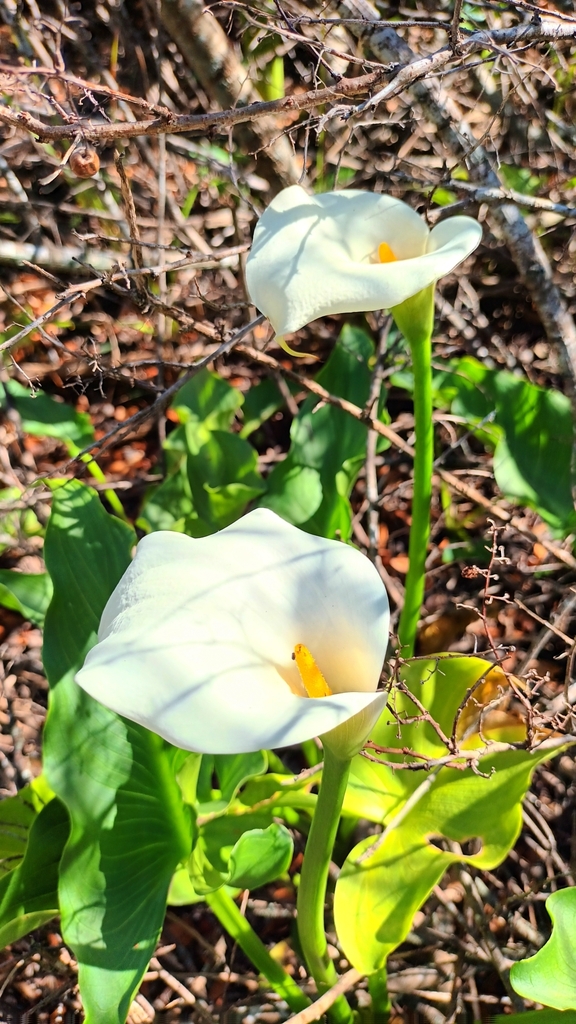
El Lirio de Calla es una planta impresionante conocida por sus elegantes espátulas en forma de trompeta. Prospera en ambientes húmedos y añade un toque de sofisticación a cualquier espacio. Estas plantas son en realidad perennes rizomatosas que aprecian la humedad constante.
De un vistazo
- Nivel de cuidados
- Media
- Tipo de planta
- Perenne
- Luz
- Luz brillante indirecta
- Luz en interior
- Luz indirecta brillante
- Riego
- Cada 3 a 7 días
- Tamaño adulto
- 90 a 120 cm
- Ritmo de crecimiento
- Medio
- Rusticidad
- USDA 7 a 10
- Floración
- Finales de primavera a principios de verano
Cuidados
Mantén la tierra constantemente húmeda pero nunca encharcada para prevenir la pudrición. Observa si las hojas amarillean, lo cual a menudo indica exceso de riego o mal drenaje. Asegúrate de que la planta reciba mucha luz brillante para fomentar esas hermosas floraciones.
- Riego
- Mantén la tierra uniformemente húmeda en todo momento sin dejar que se seque por completo.
- Abonado
- Aplica un fertilizante líquido equilibrado durante la temporada de crecimiento activo.
- Poda
- Retira las flores marchitas y el follaje amarillento para mantener la planta ordenada.
- Trasplante
- Trasplanta en primavera si los rizomas se vuelven demasiado apretados en el contenedor.
- Suelo
- Mezcla de tierra para macetas rica y bien drenada
- pH del suelo
- 6.0 a 6.5
- Temperatura
- -5 a 35°C
- Humedad
- 60 a 90%
- Tolerancia a la sequía
- Baja
- Longevidad
- Perenne, típicamente de 5 a 10 años.
- Fragancia
- Suave
- Resistencia a ciervos y conejos
- Moderada
Señales de que necesita trasplante
- Raíces que crecen fuera de los agujeros de drenaje.
- La planta se ha vuelto abarrotada y ha dejado de florecer bien.
- El agua pasa directamente a través de la maceta sin empaparse.
Seguridad
- Personas
- La planta es tóxica para humanos y mascotas debido a los cristales de oxalato de calcio insolubles que causan quemaduras e hinchazón en la boca y la garganta.
- Mascotas
- Esta planta es tóxica para gatos y perros si se ingiere, ya que contiene cristales de oxalato de calcio.
- Niños
- Mantén esta planta alejada de niños pequeños y mascotas, ya que masticar cualquier parte de la planta causa irritación inmediata y dolorosa.
- Alérgenos por contacto
- La savia puede causar irritación de la piel o dermatitis en personas sensibles.
- Alérgenos en el aire
- El polen generalmente no se considera un alérgeno aéreo importante.
- Comestibilidad
- Todas las partes de esta planta contienen cristales de oxalato de calcio, que causan irritación severa e hinchazón si se ingieren.
Cómo identificarla
- Hojas grandes en forma de flecha de color verde intenso
- Espátulas vistosas en forma de embudo blancas
- Espádice central amarillo brillante
- Tallos robustos parecidos a suculentas
- Altura
- 0,6 a 1,2m
- Anchura
- 0,3 a 0,6m
- Hojas
- verde, perenne
- Flores
- blanco, 10 a 25cm
- Frutos
- green, yellow, Late summer
Problemas a vigilar
- Bordes marrones en las hojasComún
- Podredumbre blandaComún
- Podredumbre radicularComún
- PulgonesComún
- Babosas y caracolesPoco común
- BotritisPoco común
- TripsPoco común
- Pudrición blanda — Infección bacteriana que hace que los rizomas se vuelvan blandos y huelan mal.
Por síntoma
Revisa tu lirio de calla con una foto
Pocket Botanist mira una foto de tu planta y te dice qué le pasa y qué probar primero.
Cómo cultivarla
- Propagación
- división, semilla
- Cuándo plantar
- primavera
- Cuidados en invierno
- En regiones más frías, desentierra los rizomas después de la primera helada, límpialos y guárdalos en un lugar fresco y seco hasta la primavera.
- En maceta
- Crece muy bien en contenedores, siempre que utilices una maceta grande que retenga bien la humedad.
División de rizomas
- Desentierra con cuidado la planta durante su período de latencia.
- Separa suavemente los cúmulos de rizomas con un cuchillo limpio y afilado.
- Asegúrate de que cada sección tenga al menos un punto de crecimiento sano.
- Replanta las divisiones en tierra húmeda y rica.
Combina esta planta con otras especies amantes de la humedad que disfruten de tierra rica y orgánica.
Buenas compañeras
- Lirio de plátano — Comparten requisitos similares de sombra y humedad.
- Helecho espada del oeste — Los helechos proporcionan un hermoso contraste textural en lugares húmedos y sombreados.
Mantenla lejos de
- Sedum — Las suculentas requieren tierra seca y se pudrirán si se plantan con esta planta amante de la humedad.
Especies parecidas
- Zantedeschia elliottiana — Tiene una estructura floral similar pero presenta espátas amarillas y hojas moteadas.
Ciencia
- Familia
- Araceae
- Género
- Zantedeschia
- Orden
- Alismatales
- Clase
- Liliopsida
- Distribución natural
- África meridional.
- Conservación
- Actualmente no es de preocupación para la conservación, aunque se considera invasora en algunas regiones fuera de su área de distribución nativa.
Crece de forma natural en marismas y a lo largo de las orillas de los arroyos, donde sus raíces pueden mantenerse constantemente húmedas.
- Valor para la fauna
- fuente de néctar
- Polinizadores
- abejas, mariposas
- Usos
- flor cortada ornamental, planta para jardín de pantano, ejemplar en maceta
A lo largo del año
Indicadores ecológicos
- Salinidad
- 2/9
- Humedad
- 8/9
- Nutrientes
- 6/9
- Reacción del suelo
- 5/9
- Luz
- 6/9
- Temperatura
- 7/9
Taxonomía cotejada con GBIF.
Lo que más preguntan
- ¿Necesita pleno sol?
- Prefiere luz brillante indirecta o sombra parcial.
- ¿Puedo cultivarla en agua?
- Sí, crece bien en agua poco profunda o tierra muy húmeda.
De dónde viene el nombre
El género honra al botánico italiano Giovanni Zantedeschi, mientras que el nombre de la especie aethiopica se refiere a su origen en el sur de África.
Bueno saberlo
- A pesar del nombre, no es un lirio verdadero.
- Es la flor nacional de Etiopía.
- La planta es una opción popular para los ramos de boda.
- Prospera en tierra muy húmeda, incluso encharcada.
También en
Que tu lirio de calla siga creciendo
Esta página es una guía general. Guarda tu planta en Pocket Botanist y tendrás recordatorios de cuidado pensados para esta planta, además de un historial de cuidados que muestra qué ha funcionado.
Esta guía se ha generado con IA y se ha cotejado con la taxonomía de GBIF. Es información general, no asesoramiento botánico ni veterinario. Descubre cómo elaboramos estas guías.