 Pocket Botanist
Guía de plantas
Vid.
Vitis vinifera
Pronunciación VEE-tis vi-NIF-er-uh
También se conoce como Vid, Vid común, Vid europea, Uva, Uva de vino europea, Uva vinífera


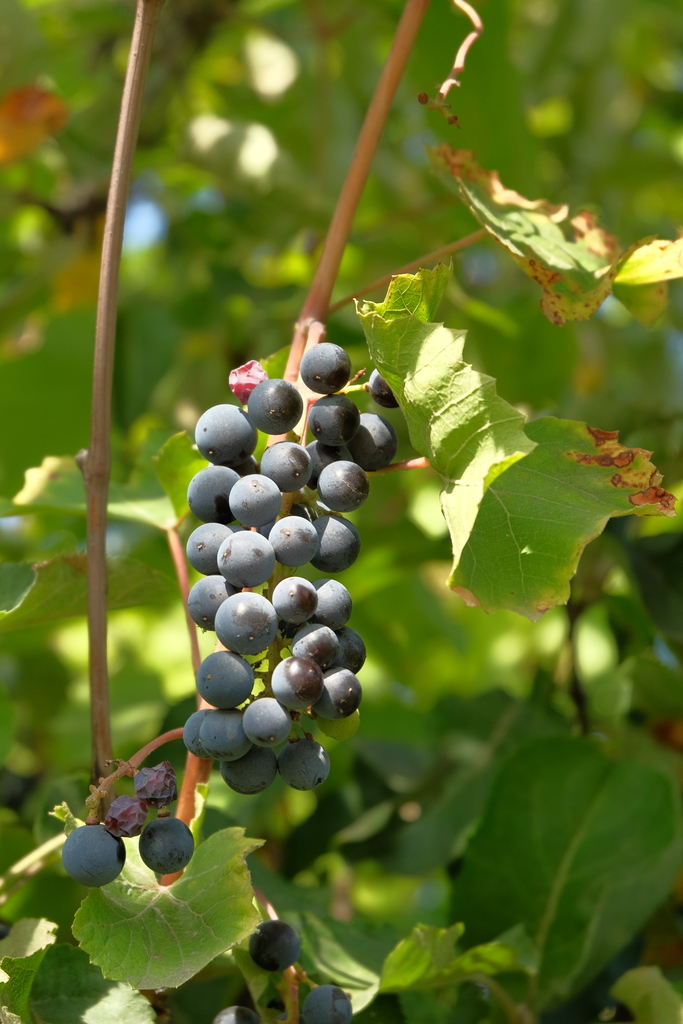
La vid común es una planta trepadora leñosa apreciada por su deliciosa fruta y su follaje ornamental. Prospera en lugares soleados con suelo bien drenado y requiere una estructura de soporte robusta para trepar. Deberás podarla regularmente para mantenerla productiva y sana.

De un vistazo
- Nivel de cuidados
- Media
- Tipo de planta
- Enredadera leñosa de hoja caduca
- Luz
- Pleno sol
- Luz en interior
- Sol directo
- Riego
- Cada 7 a 14 días
- Tamaño adulto
- Hasta 15 metros
- Ritmo de crecimiento
- Rápido
- Rusticidad
- USDA 6 a 9
- Floración
- Finales de primavera
Cuidados
Entrena las vides sobre un enrejado o una valla para asegurar una buena circulación de aire y exposición al sol. Estate atento al mildiú polvoriento en las hojas y vigila plagas como pulgones o escarabajos. La poda constante durante la temporada de inactividad es esencial para la producción de fruta.
- Riego
- Riega profundamente durante la temporada de crecimiento pero permite que la tierra se seque ligeramente entre riegos.
- Abonado
- Aplica un fertilizante equilibrado a principios de primavera antes de que comience el nuevo crecimiento.
- Poda
- Poda intensamente a finales de invierno mientras la planta está inactiva para fomentar la madera que produce fruta.
- Trasplante
- Trasplanta solo si está cultivada en maceta, de lo contrario, concéntrate en la salud del suelo.
- Suelo
- Suelo franco bien drenado
- pH del suelo
- 6.0 a 7.5
- Temperatura
- -15 a 40°C
- Humedad
- 40 a 60%
- Tolerancia a la sequía
- Moderada
- Longevidad
- Perenne, típicamente de 50 a 100 años.
- Fragancia
- Suave
- Resistencia a ciervos y conejos
- Baja
Señales de que necesita trasplante
- Raíces que crecen fuera de los agujeros de drenaje.
- El agua pasa directamente a través de la maceta sin empaparse.
- Disminución notable en la producción de frutos.
Seguridad
- Personas
- La planta generalmente no es tóxica, pero la savia puede causar irritación leve de la piel en personas sensibles.
- Mascotas
- Las uvas y las pasas son muy tóxicas para perros y gatos y pueden causar insuficiencia renal.
- Niños
- Las uvas pequeñas y redondas pueden representar un peligro de asfixia para los niños muy pequeños.
- Alérgenos por contacto
- Manipular las hojas o los tallos puede causar dermatitis de contacto en algunas personas debido a los finos pelos.
- Alérgenos en el aire
- El polen puede desencadenar alergias estacionales en personas sensibles durante el período de floración.
- Comestibilidad
- Si bien la fruta se consume ampliamente, no ingiera ninguna otra parte de la planta, ya que pueden causar malestar digestivo.
Cómo identificarla
- Hojas grandes palmado-lobuladas
- Tallos leñosos trepadores con zarcillos
- Racimos de bayas pequeñas
- Corteza que se pela en las vides maduras
- Altura
- 3 a 15m
- Anchura
- 2 a 6m
- Hojas
- verde, caduca
- Flores
- verde, amarillo, 0,5 a 1cm
- Frutos
- verde, rojo, púrpura, negro, Finales de verano a otoño
Problemas a vigilar
- Filoxera de la vidComún
- MildiuComún
- OídioComún
- Podredumbre grisComún
- Agalla del cuelloPoco común
- ClorosisPoco común
- Escarabajo japonésPoco común
- Quemadura foliarPoco común
Por síntoma
Revisa tu vid con una foto
Pocket Botanist mira una foto de tu planta y te dice qué le pasa y qué probar primero.
Cómo cultivarla
- Propagación
- esquejes, injerto, semilla
- Cuándo plantar
- primavera, otoño
- Cuidados en invierno
- Poda la madera muerta o enferma a finales del invierno mientras la planta está latente. Aplica una capa de mantillo alrededor de la base para proteger las raíces de las fluctuaciones extremas de temperatura.
- En maceta
- Puede crecer en contenedores grandes, pero requiere una maceta muy profunda de al menos 20 galones para soportar su sistema radicular.
Hardwood cuttings
- Toma un esqueje de 12 pulgadas de un sarmiento dormido a finales del invierno.
- Asegúrate de que el esqueje tenga al menos tres nudos.
- Coloca el esqueje en tierra húmeda con un nudo enterrado bajo tierra.
Plantar hierbas aromáticas cerca puede ayudar a enmascarar el olor de la vid para ciertas plagas.
Buenas compañeras
- Rosa — Las rosas a menudo se plantan al final de las hileras de vides para actuar como un sistema de alerta temprana de enfermedades fúngicas.
- Hyssopus officinalis — Esta hierba atrae insectos beneficiosos que ayudan a controlar las plagas comunes de la vid.
- Albahaca — La albahaca es una excelente compañera que puede ayudar a repeler ciertos insectos al tiempo que comparte necesidades de suelo similares.
Mantenla lejos de
- Papa — Potatoes can harbor diseases that easily spread to grapevines.
Especies parecidas
- Vitis labrusca — Esta especie también es una vid trepadora, pero es nativa de América del Norte y produce frutos diferentes.
Ciencia
- Familia
- Vitaceae
- Género
- Vitis
- Orden
- Vitales
- Clase
- Magnoliopsida
- Distribución natural
- Región mediterránea, Europa Central y Asia Sudoccidental.
- Conservación
- Actualmente no está catalogada como en peligro de extinción, aunque las poblaciones silvestres a menudo están protegidas en sus áreas de distribución nativas.
Es una vid leñosa trepadora que utiliza zarcillos para alcanzar la luz solar en los bordes de los bosques y las laderas rocosas.
- Valor para la fauna
- fuente de néctar, material de anidación
- Polinizadores
- abejas, escarabajos
- Usos
- producción de fruta, vid ornamental, cubierta de sombra
A lo largo del año
Indicadores ecológicos
- Luz
- 8/9
- Nutrientes
- 6/9
- Salinidad
- 3/9
- Reacción del suelo
- 6/9
- Temperatura
- 7/9
- Humedad
- 5/9
Taxonomía cotejada con GBIF.
Lo que más preguntan
- How much sun does it need?
- Prospera a pleno sol durante al menos 6 a 8 horas al día.
- Does it need a trellis?
- Sí, requiere un sistema de soporte resistente para crecer adecuadamente y producir frutos.
De dónde viene el nombre
El nombre Vitis es el término clásico latino para vid, mientras que vinifera se traduce como "portador de vino".
Bueno saberlo
- Las vides pueden vivir más de 100 años si se mantienen adecuadamente.
- La planta utiliza zarcillos para trepar y asegurarse a las estructuras.
- Hay miles de variedades diferentes de esta especie cultivadas a nivel mundial.
También en
Que tu vid siga creciendo
Esta página es una guía general. Guarda tu planta en Pocket Botanist y tendrás recordatorios de cuidado pensados para esta planta, además de un historial de cuidados que muestra qué ha funcionado.
Esta guía se ha generado con IA y se ha cotejado con la taxonomía de GBIF. Es información general, no asesoramiento botánico ni veterinario. Descubre cómo elaboramos estas guías.