 Pocket Botanist
Guía de plantas
Bilberry.
Vaccinium myrtillus
Pronunciación vak-SIN-ee-um mir-TIL-us
También se conoce como Bilberry, Blaeberry, European blueberry



The bilberry is a charming, low growing shrub that produces delicious dark blue berries in the summer. It thrives in cool, acidic woodland environments and is a close relative of the blueberry. You will love watching it turn beautiful shades of red and orange in the autumn.
De un vistazo
- Nivel de cuidados
- Media
- Tipo de planta
- Deciduous shrub
- Luz
- Partial shade to full sun
- Luz en interior
- Luz indirecta brillante
- Riego
- Cada 3 a 7 días
- Tamaño adulto
- 1 to 2 feet
- Ritmo de crecimiento
- Lento
- Rusticidad
- USDA 3 a 7
- Floración
- Late spring
Cuidados
Keep the soil consistently moist and ensure it stays acidic for the best results. Watch for wilting if the soil dries out too much or if the summer heat becomes intense. Providing a layer of mulch helps keep the roots cool and retains necessary moisture.
- Riego
- Keep the soil evenly moist but never waterlogged.
- Abonado
- Apply an acid loving plant fertilizer once in early spring.
- Poda
- Trim back dead or crowded branches in late winter while the plant is dormant.
- Trasplante
- Repot only when the plant has clearly outgrown its container.
- Suelo
- Acidic, peaty, well drained soil
- pH del suelo
- 4.5 to 5.5
- Temperatura
- -30 a 25°C
- Humedad
- 50 a 80%
- Tolerancia a la sequía
- Baja
- Longevidad
- Perennial, typically 10 to 20 years.
- Resistencia a ciervos y conejos
- Moderada
Señales de que necesita trasplante
- Roots growing out of drainage holes.
- Stunted growth.
- Soil pulling away from pot edges.
Seguridad
- Personas
- The plant is non toxic, though excessive consumption of leaves is not recommended.
- Niños
- Small berries may pose a minor choking hazard to very young children.
- Alérgenos por contacto
- None notable.
- Alérgenos en el aire
- Pollen may cause mild reactions in sensitive individuals.
- Comestibilidad
- Ensure positive identification before consumption as some wild berries can be mistaken for toxic lookalikes.
Cómo identificarla
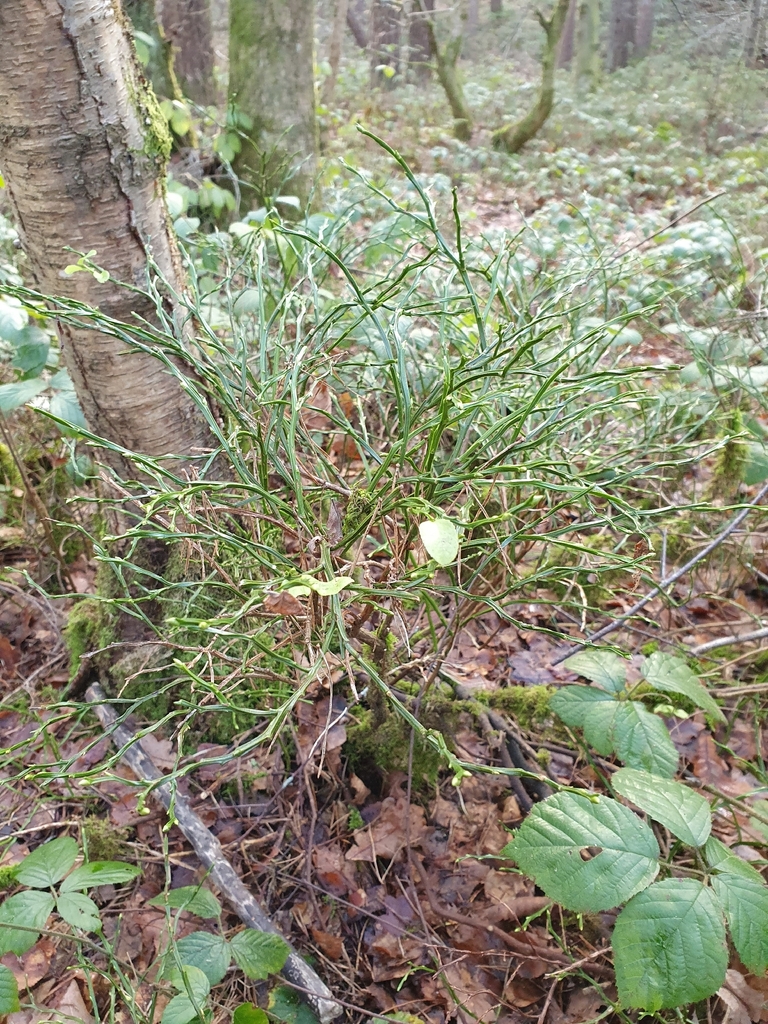
- Deciduous shrub with green angled stems
- Small oval leaves with serrated edges
- Solitary urn shaped pinkish flowers
- Dark blue berries with red flesh
- Altura
- 0,15 a 0,6m
- Anchura
- 0,2 a 0,5m
- Hojas
- bright green, deciduous
- Flores
- pinkish green, 0,5 a 0,8cm
- Frutos
- blue, black, Late summer
Problemas frecuentes
- Rust — Fungal infection causing orange spots on leaves.
Cómo cultivarla
- Propagación
- seed, cuttings, division
- Cuándo plantar
- spring, autumn
- Cuidados en invierno
- The plant is fully hardy and requires no special protection, though a layer of mulch can help protect roots in harsh climates.
- En maceta
- Not well suited for containers due to strict soil and moisture requirements.
Cuttings
- Take softwood cuttings in early summer.
- Dip in rooting hormone.
- Place in a peat based medium under mist.
Group with other acid loving plants to maintain the soil pH they require.
Buenas compañeras
- Brezo — They share similar acidic soil and moisture requirements.
- Lingonberry — They are natural companions in forest understories.
Especies parecidas
- Vaccinium uliginosum — It is a closely related species that grows in similar habitats.
Ciencia
- Familia
- Ericaceae
- Género
- Vaccinium
- Orden
- Ericales
- Clase
- Magnoliopsida
- Distribución natural
- Northern and Central Europe, Northern Asia.
- Conservación
- It is widespread and not currently considered threatened in its native range.
It thrives in acidic, nutrient poor soils of heathlands and coniferous forests.
- Valor para la fauna
- nectar source, food for birds
- Polinizadores
- abejas
- Usos
- culinary, ornamental, groundcover
A lo largo del año
Indicadores ecológicos
- Salinidad
- 1/9
- Reacción del suelo
- 2/9
- Luz
- 5/9
- Temperatura
- 3/9
- Humedad
- 5/9
- Nutrientes
- 2/9
Taxonomía cotejada con GBIF.
Lo que más preguntan
- Can I grow bilberries in a pot?
- They are difficult to keep happy in containers due to their specific soil acidity needs.
- Do they need full sun?
- They prefer partial shade to thrive.
De dónde viene el nombre
The name Vaccinium is the ancient Latin name for the blueberry, while myrtillus refers to the resemblance of the leaves to those of the myrtle plant.
Bueno saberlo
- Bilberries are often smaller and darker than common blueberries.
- The juice of the fruit is a natural dye.
- They are a staple food for many forest animals.
- These plants prefer acidic, peaty soils.
¿Tu bilberry tiene mal aspecto?
Esta página es una guía general. Pocket Botanist diagnostica problemas a partir de una foto de tu propia planta, calcula el riego según tu luz y tus condiciones, y te avisa cuando toca cuidarla.
Esta guía se ha generado con IA y se ha cotejado con la taxonomía de GBIF. Es información general, no asesoramiento botánico ni veterinario. Descubre cómo elaboramos estas guías.