 Pocket Botanist
Guía de plantas
Trébol de pata de conejo.
Trifolium arvense
Pronunciación try-FOH-lee-um ar-VEN-see
También se conoce como Trébol de pata de liebre, Trébol de pata de liebre, Trébol de pata de liebre, Hare-foot Trefoil, Trébol de pata de liebre, Haresfoot Trefoil, Trébol de pata de conejo, Trébol de pata de conejo


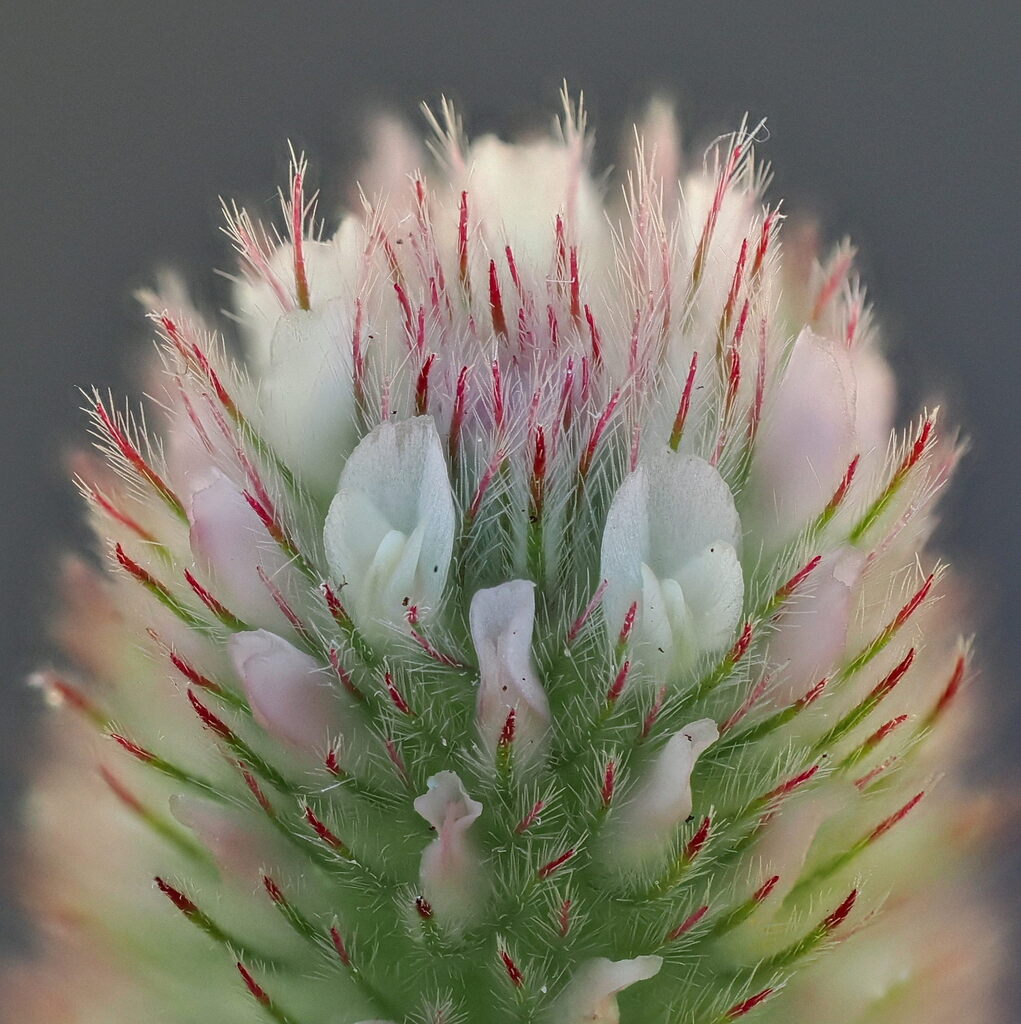
El trébol de pata de conejo es una leguminosa anual encantadora, conocida por sus cabezas de flores suaves y peludas que parecen pequeñas patas de conejo. Prospera en suelos secos y arenosos y a menudo se encuentra en campos abiertos o áreas alteradas. Esta planta añade un elemento único y táctil a los bordes de jardines naturalistas.

De un vistazo
- Nivel de cuidados
- Fácil
- Tipo de planta
- Hierba anual
- Luz
- Pleno sol
- Luz en interior
- Sol directo
- Riego
- Cada 5 a 10 días
- Tamaño adulto
- 30 cm de alto
- Ritmo de crecimiento
- Rápido
- Rusticidad
- USDA 3 a 9
- Floración
- Finales de primavera a principios de otoño
Cuidados
Proporcione mucha luz solar y asegúrese de que el suelo se mantenga bien drenado para prevenir problemas en las raíces. Esté atento a signos de marchitamiento si el suelo permanece demasiado húmedo o si la planta está a la sombra de vecinos más altos. La eliminación de las flores marchitas puede fomentar una temporada de floración más larga.
- Riego
- Deje que la pulgada superior de la tierra se seque entre riegos.
- Abonado
- Aplique un fertilizante líquido ligero y equilibrado una vez durante la temporada de crecimiento activo.
- Poda
- Recorte las cabezas de las flores marchitas para mantener la planta ordenada.
- Trasplante
- Como anual, esta planta generalmente completa su ciclo de vida en una temporada.
- Suelo
- Suelo arenoso o rocoso, bien drenado
- pH del suelo
- Neutro a ligeramente ácido
- Temperatura
- -20 a 35°C
- Humedad
- 30 a 70%
- Tolerancia a la sequía
- Alta
- Longevidad
- Anual, típicamente 1 año.
- Resistencia a ciervos y conejos
- Moderada
Señales de que necesita trasplante
- Raíces dando vueltas en el fondo de la maceta.
- Crecimiento atrofiado a pesar de la luz adecuada.
Seguridad
- Personas
- No hay informes significativos de toxicidad humana para esta especie.
- Mascotas
- Esta planta generalmente se considera no tóxica para gatos y perros.
- Niños
- Las cabezas de flores pequeñas y peludas podrían suponer un pequeño peligro de asfixia si las ingieren niños muy pequeños.
- Alérgenos por contacto
- Los finos pelos de los tallos y las hojas pueden causar una leve irritación en la piel de personas sensibles.
- Alérgenos en el aire
- El polen puede desencadenar reacciones alérgicas leves en personas sensibles al polen de pasto o trébol.
- Comestibilidad
- Aunque no es estrictamente tóxico, generalmente se considera poco apetecible y no una fuente de alimento estándar.
Cómo identificarla
- Cabezas de flores cilíndricas, suaves, de color gris rosado
- Hojas pequeñas, trifoliadas, de color verde grisáceo
- Finos pelos sedosos que cubren los tallos
- Hábito de crecimiento erguido y ramificado
- Altura
- 0,05 a 0,4m
- Anchura
- 0,1 a 0,3m
- Hojas
- verde grisáceo, caducifolio
- Flores
- rosa, gris, 0,5 a 1,5cm
- Frutos
- brown, late summer
Problemas a vigilar
- OídioComún
- PulgonesComún
- Babosas y caracolesPoco común
- Manchas foliaresPoco común
- Podredumbre radicularPoco común
- RoyaPoco común
Por síntoma
Revisa tu trébol de pata de conejo con una foto
Pocket Botanist mira una foto de tu planta y te dice qué le pasa y qué probar primero.
Cómo cultivarla
- Propagación
- semilla
- Cuándo plantar
- primavera
- Cuidados en invierno
- Como anual, se marchitará por completo después de semillar en otoño.
- En maceta
- Crece bien en contenedores poco profundos o macetas de jardín de rocas, siempre que el drenaje sea excelente.
Siembra de semillas
- Recolecta semillas de las cabezas de flores secas a finales de verano.
- Dispersa las semillas directamente sobre suelo arenoso desnudo en otoño.
- Rastrilla ligeramente la tierra para asegurar un buen contacto semilla-suelo.
- Mantén el área ligeramente húmeda hasta que ocurra la germinación.
Combina este trébol con otras plantas tolerantes a la sequía y amantes del sol para crear un jardín de pradera de bajo mantenimiento.
Buenas compañeras
- Milenrama — Ambas plantas prosperan en condiciones secas y soleadas similares.
- Amapola silvestre — They create a beautiful, naturalistic meadow aesthetic together.
Mantenla lejos de
- Lirio de plátano — Las hostas requieren mucha más sombra y humedad que este trébol.
Especies parecidas
- Red clover — Tiene cabezas de flores más grandes y redondeadas en comparación con el trébol patata de conejo alargado.
Ciencia
- Familia
- Fabaceae
- Género
- Trifolium
- Orden
- Fabales
- Clase
- Magnoliopsida
- Distribución natural
- Europa, Asia occidental y el norte de África.
- Conservación
- Se considera una especie común y no amenazada en la mayor parte de su área de distribución.
Sobrevive en ambientes duros y secos completando su ciclo de vida rápidamente antes de que llegue el calor del verano.
- Valor para la fauna
- fuente de néctar, fijador de nitrógeno
- Polinizadores
- abejas, mariposas
- Usos
- cubierta vegetal ornamental, mejora del suelo, hábitat de vida silvestre
A lo largo del año
Indicadores ecológicos
- Luz
- 8/9
- Temperatura
- 5/9
- Nutrientes
- 2/9
- Salinidad
- 2/9
- Reacción del suelo
- 5/9
- Humedad
- 3/9
Taxonomía cotejada con GBIF.
Lo que más preguntan
- ¿Es el trébol patata de conejo una mala hierba?
- A menudo se clasifica como una mala hierba en los céspedes porque se propaga fácilmente en el césped ralo.
- ¿Necesita fertilizante?
- No, fija su propio nitrógeno y prefiere suelos magros y pobres en nutrientes.
De dónde viene el nombre
El nombre del género Trifolium se refiere a las hojas de tres partes, mientras que el nombre de la especie arvense significa del campo.
Bueno saberlo
- Es una planta anual que prospera en suelos pobres y arenosos.
- La planta es nativa de Europa, pero se ha naturalizado en gran parte de América del Norte.
- Es muy tolerante a la sequía una vez establecida.
También en
Que tu trébol de pata de conejo siga creciendo
Esta página es una guía general. Guarda tu planta en Pocket Botanist y tendrás recordatorios de cuidado pensados para esta planta, además de un historial de cuidados que muestra qué ha funcionado.
Esta guía se ha generado con IA y se ha cotejado con la taxonomía de GBIF. Es información general, no asesoramiento botánico ni veterinario. Descubre cómo elaboramos estas guías.