 Pocket Botanist
Guía de plantas
Red clover.
Trifolium pratense
Pronunciación try-FOH-lee-um pra-TEN-see
También se conoce como Chilean Clover, Cowgrass Clover, Mammoth Red Clover, Medium Red Clover, Peavine Clover, Purple Clover, Red Clover


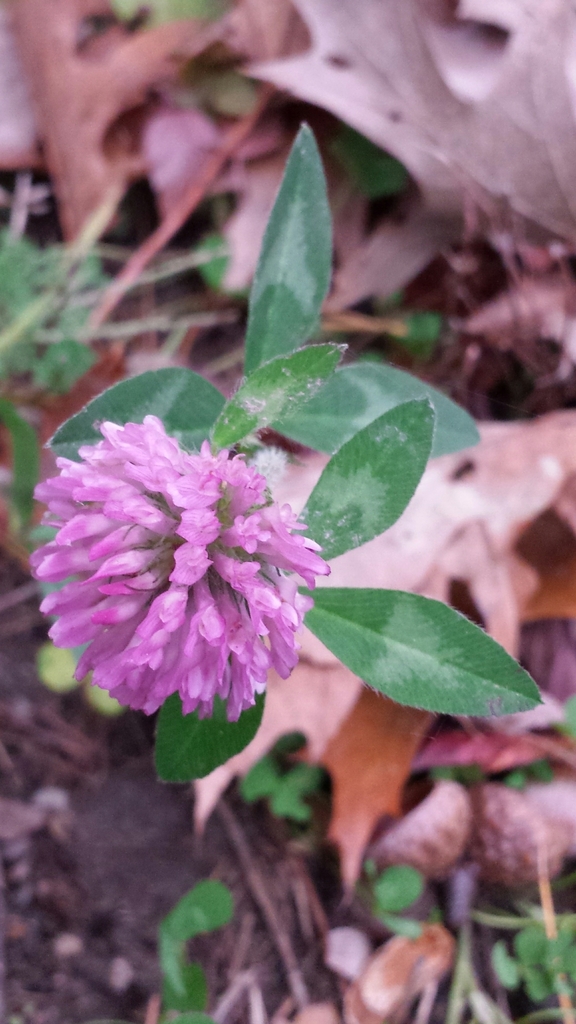
Red clover is a charming, short lived perennial that brings a touch of the meadow to your garden. It is well loved for its soft, clover shaped leaves and rounded pinkish purple flower heads. You will find it is quite resilient and adds a nice bit of texture to any sunny patch.
De un vistazo
- Nivel de cuidados
- Fácil
- Tipo de planta
- Herbaceous perennial
- Luz
- Full sun
- Luz en interior
- Sol directo
- Riego
- Cada 3 a 7 días
- Tamaño adulto
- 0.6 meters
- Ritmo de crecimiento
- Rápido
- Rusticidad
- USDA 4 a 9
- Floración
- Late spring to early autumn
Cuidados
Keep the soil consistently moist but not waterlogged to help it thrive. Watch for wilting during dry spells, as this plant prefers steady hydration. Deadheading spent blooms can encourage a second flush of flowers later in the season.
- Riego
- Water when the top inch of soil feels dry to the touch.
- Abonado
- Apply a balanced fertilizer sparingly during the active growing season.
- Poda
- Trim back faded flowers to promote new growth and keep the plant tidy.
- Trasplante
- Repot if the plant becomes root bound or needs fresh soil to support its growth.
- Suelo
- Loamy, well draining soil
- pH del suelo
- 6.0 to 7.0
- Temperatura
- -30 a 35°C
- Humedad
- 40 a 80%
Seguridad
- Personas
- It is generally considered safe but contains coumarin, which can interfere with blood clotting in large amounts.
- Niños
- The small flower heads could pose a minor choking hazard if ingested by very young children.
- Alérgenos por contacto
- Some individuals may experience mild skin irritation from handling the foliage.
- Alérgenos en el aire
- The pollen can trigger seasonal allergies in sensitive people during the peak bloom.
- Comestibilidad
- Consult a professional before consuming wild clover to ensure proper identification and avoid areas treated with chemicals.
Cómo identificarla
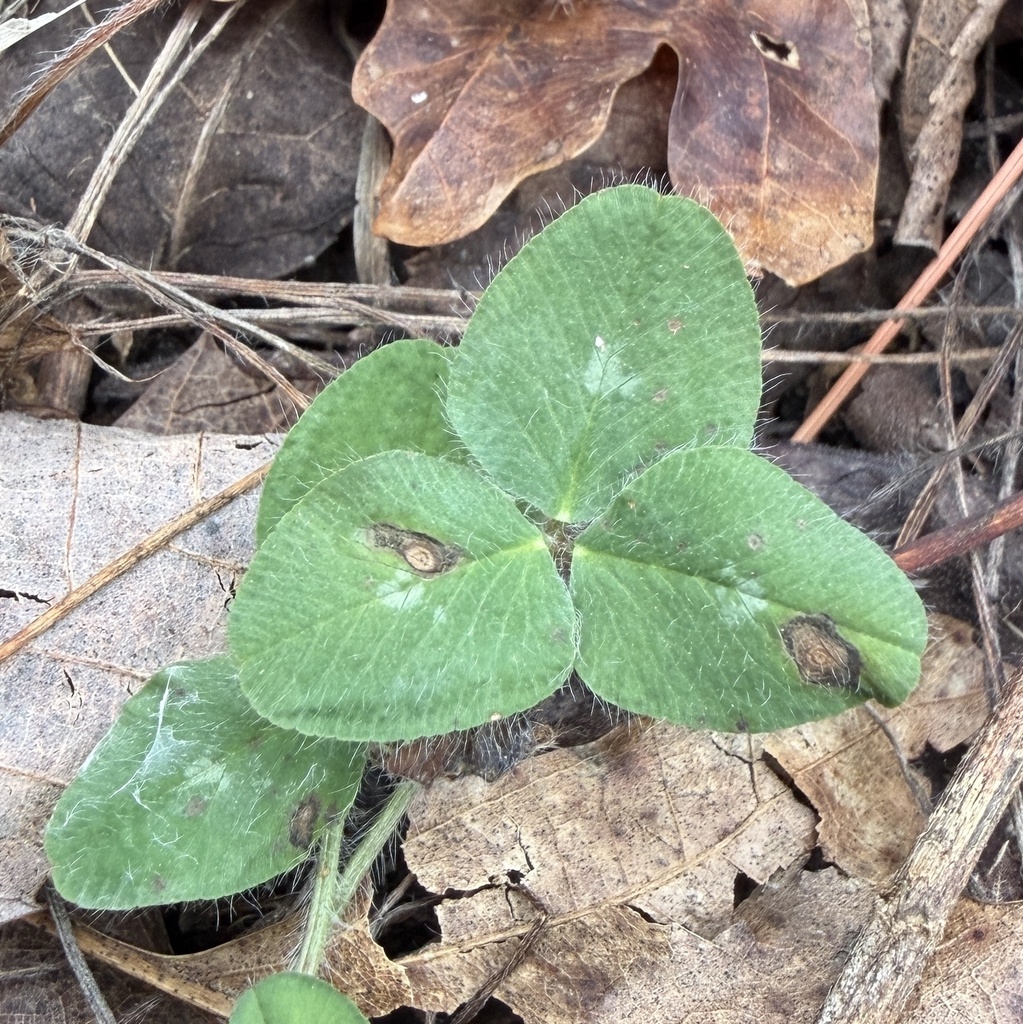
- Three leaflets with white V mark
- Rounded pink to purple flower heads
- Hairy stems and leaves
- Stipules at base of leaves
- Altura
- 0,2 a 0,6m
- Anchura
- 0,3 a 0,5m
- Hojas
- green, deciduous
- Flores
- pink, purple, 1 a 3cm
- Frutos
- brown, Late summer
Problemas frecuentes
- Powdery mildew — A white fungal growth appears on leaves during humid weather.
- Clover root curculio — Small beetles that feed on the roots and foliage.
Cómo cultivarla
- Propagación
- seed, division
- Cuándo plantar
- spring, autumn
Plant red clover near heavy feeders like brassicas to naturally boost soil nitrogen levels.
Buenas compañeras
- Phleum pratense — They grow well together in meadows and provide balanced forage.
- Yarrow — Yarrow attracts beneficial insects that help manage clover pests.
Especies parecidas
- Trébol blanco — It is a smaller, creeping relative often found in similar habitats.
Ciencia
- Familia
- Fabaceae
- Género
- Trifolium
- Orden
- Fabales
- Clase
- Magnoliopsida
- Distribución natural
- Europe, Western Asia, and Northwest Africa.
- Conservación
- This plant is common and not of conservation concern.
It thrives in open meadows and disturbed soils by fixing atmospheric nitrogen to support its growth.
- Valor para la fauna
- nectar source, larval host plant, nitrogen fixer
- Polinizadores
- abejas, mariposas, polillas
- Usos
- cover crop, pollinator garden, medicinal tea, soil improvement
A lo largo del año
Indicadores ecológicos
- Salinidad
- 2/9
- Reacción del suelo
- 6/9
- Luz
- 7/9
- Temperatura
- 5/9
- Humedad
- 5/9
- Nutrientes
- 4/9
Taxonomía cotejada con GBIF.
Lo que más preguntan
- Is red clover good for my lawn?
- Yes, it adds nitrogen to the soil and stays green during dry spells.
- How do I stop it from spreading?
- Regular mowing before the plant sets seed will effectively limit its spread.
De dónde viene el nombre
Trifolium comes from the Latin for three leaves, while pratense means of the meadow.
Bueno saberlo
- Red clover is the national flower of Denmark.
- It has been used in traditional medicine for centuries.
- The leaves are often marked with a distinct white V shape.
¿Tu red clover tiene mal aspecto?
Esta página es una guía general. Pocket Botanist diagnostica problemas a partir de una foto de tu propia planta, calcula el riego según tu luz y tus condiciones, y te avisa cuando toca cuidarla.
Esta guía se ha generado con IA y se ha cotejado con la taxonomía de GBIF. Es información general, no asesoramiento botánico ni veterinario. Descubre cómo elaboramos estas guías.