 Pocket Botanist
Pflanzenratgeber
Red clover.
Trifolium pratense
Aussprache try-FOH-lee-um pra-TEN-see
Auch bekannt als Chilean Clover, Cowgrass Clover, Mammoth Red Clover, Medium Red Clover, Peavine Clover, Purple Clover, Red Clover


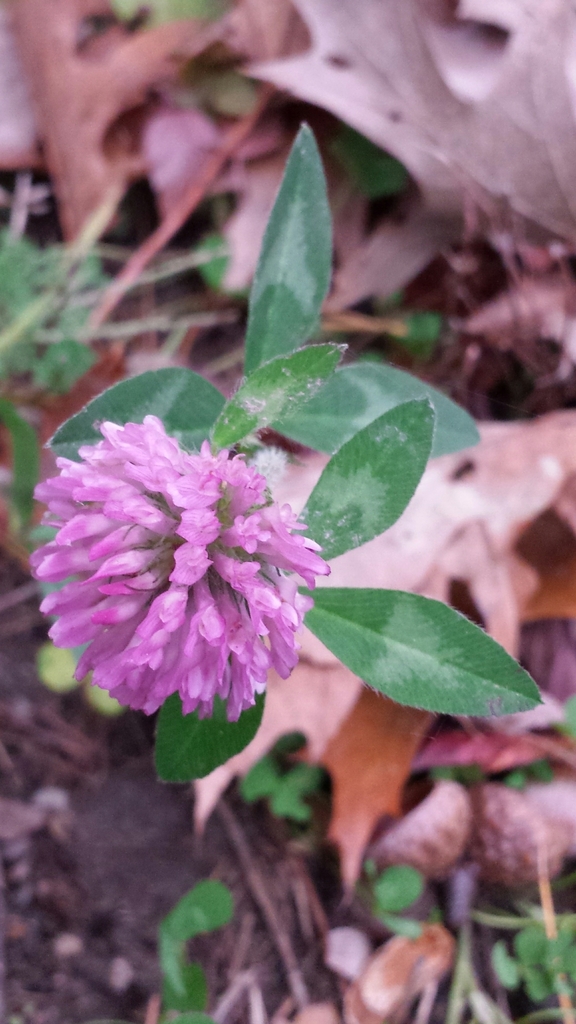
Red clover is a charming, short lived perennial that brings a touch of the meadow to your garden. It is well loved for its soft, clover shaped leaves and rounded pinkish purple flower heads. You will find it is quite resilient and adds a nice bit of texture to any sunny patch.
Auf einen Blick
- Pflegestufe
- Einfach
- Pflanzenart
- Herbaceous perennial
- Licht
- Full sun
- Licht im Innenraum
- Direkte Sonne
- Gießen
- Alle 3 bis 7 Tage
- Endgröße
- 0.6 meters
- Wachstum
- Schnell
- Winterhärte
- USDA 4 bis 9
- Blütezeit
- Late spring to early autumn
Pflege
Keep the soil consistently moist but not waterlogged to help it thrive. Watch for wilting during dry spells, as this plant prefers steady hydration. Deadheading spent blooms can encourage a second flush of flowers later in the season.
- Gießen
- Water when the top inch of soil feels dry to the touch.
- Düngen
- Apply a balanced fertilizer sparingly during the active growing season.
- Schneiden
- Trim back faded flowers to promote new growth and keep the plant tidy.
- Umtopfen
- Repot if the plant becomes root bound or needs fresh soil to support its growth.
- Boden
- Loamy, well draining soil
- Boden-pH
- 6.0 to 7.0
- Temperatur
- -30 bis 35°C
- Luftfeuchtigkeit
- 40 bis 80%
Sicherheit
- Menschen
- It is generally considered safe but contains coumarin, which can interfere with blood clotting in large amounts.
- Kinder
- The small flower heads could pose a minor choking hazard if ingested by very young children.
- Kontaktallergene
- Some individuals may experience mild skin irritation from handling the foliage.
- Allergene in der Luft
- The pollen can trigger seasonal allergies in sensitive people during the peak bloom.
- Essbarkeit
- Consult a professional before consuming wild clover to ensure proper identification and avoid areas treated with chemicals.
So erkennst du die Pflanze
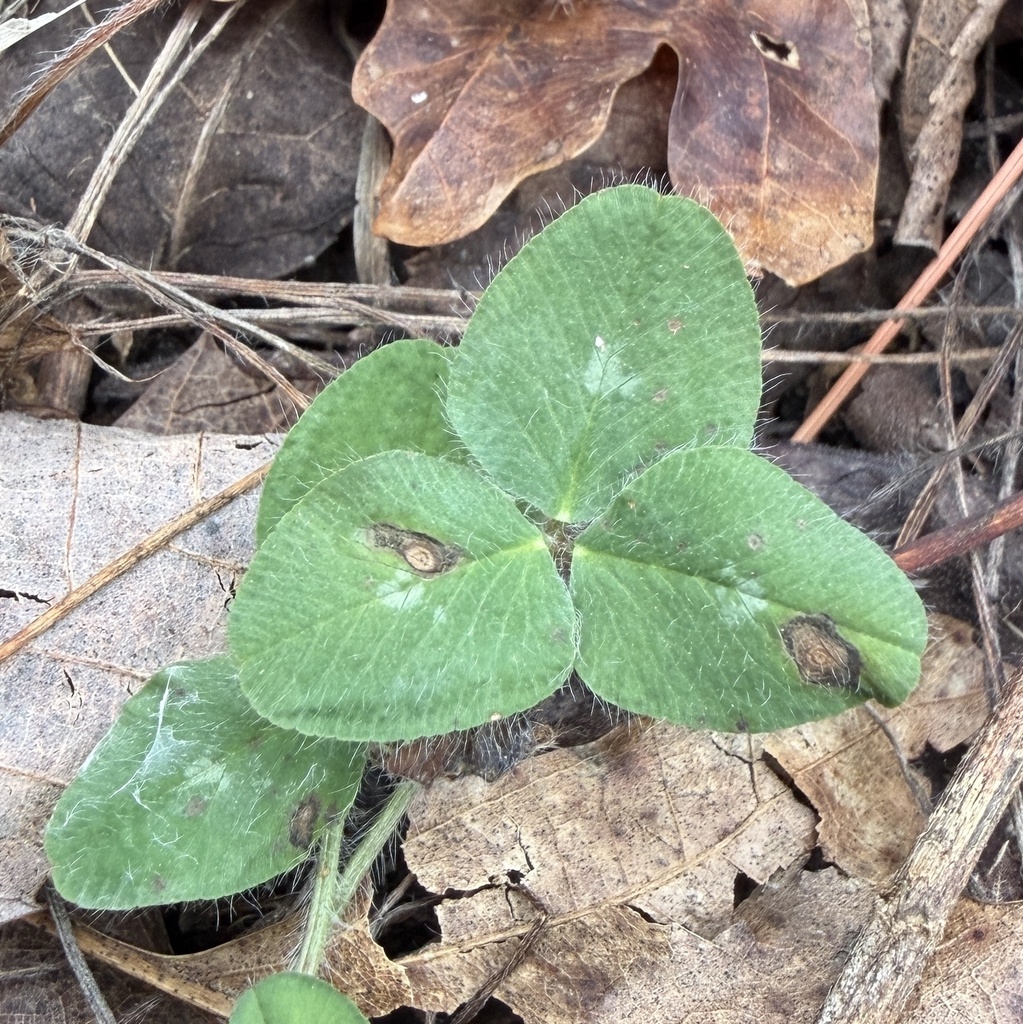
- Three leaflets with white V mark
- Rounded pink to purple flower heads
- Hairy stems and leaves
- Stipules at base of leaves
- Höhe
- 0,2 bis 0,6m
- Breite
- 0,3 bis 0,5m
- Blätter
- green, deciduous
- Blüten
- pink, purple, 1 bis 3cm
- Früchte
- brown, Late summer
Häufige Probleme
- Powdery mildew — A white fungal growth appears on leaves during humid weather.
- Clover root curculio — Small beetles that feed on the roots and foliage.
Standort und Pflege
- Vermehrung
- seed, division
- Pflanzzeit
- spring, autumn
Plant red clover near heavy feeders like brassicas to naturally boost soil nitrogen levels.
Gute Pflanzpartner
- Phleum pratense — They grow well together in meadows and provide balanced forage.
- Schafgarbe — Yarrow attracts beneficial insects that help manage clover pests.
Ähnliche Arten
- Weißklee — It is a smaller, creeping relative often found in similar habitats.
Botanisches
- Familie
- Fabaceae
- Gattung
- Trifolium
- Ordnung
- Fabales
- Klasse
- Magnoliopsida
- Ursprüngliche Heimat
- Europe, Western Asia, and Northwest Africa.
- Artenschutz
- This plant is common and not of conservation concern.
It thrives in open meadows and disturbed soils by fixing atmospheric nitrogen to support its growth.
- Nutzen für Wildtiere
- nectar source, larval host plant, nitrogen fixer
- Bestäuber
- Bienen, Schmetterlinge, Nachtfalter
- Verwendung
- cover crop, pollinator garden, medicinal tea, soil improvement
Im Jahresverlauf
Ökologische Zeigerwerte
- Salzgehalt
- 2/9
- Bodenreaktion
- 6/9
- Licht
- 7/9
- Temperatur
- 5/9
- Feuchtigkeit
- 5/9
- Nährstoffe
- 4/9
Taxonomie abgeglichen mit GBIF.
Häufige Fragen
- Is red clover good for my lawn?
- Yes, it adds nitrogen to the soil and stays green during dry spells.
- How do I stop it from spreading?
- Regular mowing before the plant sets seed will effectively limit its spread.
Woher der Name kommt
Trifolium comes from the Latin for three leaves, while pratense means of the meadow.
Gut zu wissen
- Red clover is the national flower of Denmark.
- It has been used in traditional medicine for centuries.
- The leaves are often marked with a distinct white V shape.
Probleme mit Red clover?
Diese Seite bietet allgemeine Infos. Pocket Botanist erkennt Probleme anhand eines Fotos deiner echten Pflanze, passt das Gießen an dein Licht und deinen Standort an und erinnert dich an die Pflege.
Dieser Ratgeber wurde mit KI erstellt und mit der GBIF-Taxonomie abgeglichen. Er dient zur allgemeinen Information und ersetzt keine gärtnerische oder tierärztliche Beratung. Hier erfährst du, wie wir diese Ratgeber erstellen.