 Pocket Botanist
Guía de plantas
Hedge woundwort.
Stachys sylvatica
Pronunciación STAY-kiss sil-VAT-ih-kuh
También se conoce como Hedge Woundwort, Whitespot


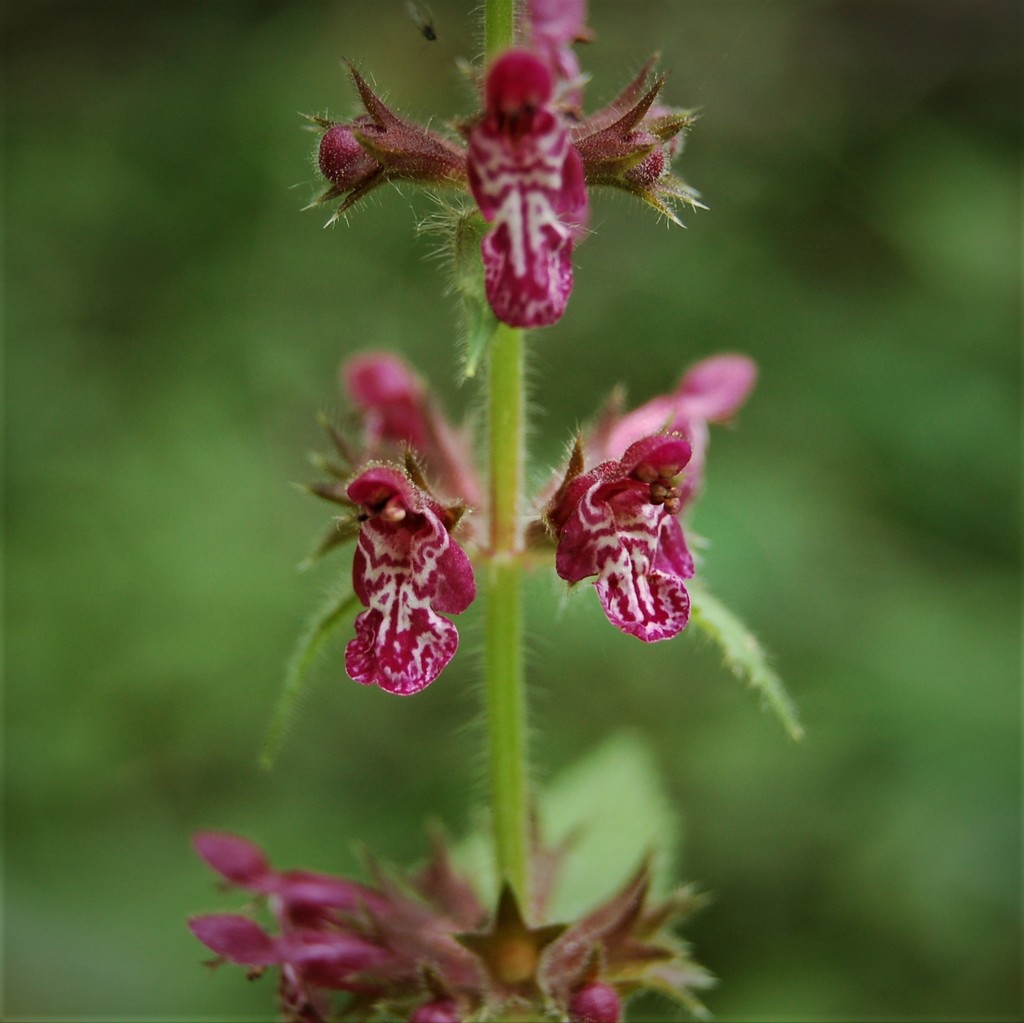
This woodland perennial is a lovely addition to shady garden spots. It spreads through rhizomes and produces spikes of deep purple flowers. You will find it enjoys moist, rich soil in its natural habitat.

De un vistazo
- Nivel de cuidados
- Fácil
- Tipo de planta
- Perennial herb
- Luz
- Partial shade to full shade
- Luz en interior
- Luz media
- Riego
- Cada 3 a 7 días
- Tamaño adulto
- 3 feet
- Ritmo de crecimiento
- Rápido
- Rusticidad
- USDA 5 a 9
- Floración
- Early to late summer
Cuidados
Keep the soil consistently moist to mimic its native woodland environment. Watch for wilting during dry spells, as this plant does not tolerate drought well. It can be quite vigorous, so keep an eye on its spread if you have limited space.
- Riego
- Keep the soil damp but not waterlogged.
- Abonado
- Apply a balanced liquid fertilizer during the active growing season.
- Poda
- Deadhead spent flower spikes to encourage a tidy appearance.
- Trasplante
- Divide the plant in spring if it becomes too crowded.
- Suelo
- Moist, humus rich soil
- pH del suelo
- Neutral to slightly alkaline
- Temperatura
- -20 a 30°C
- Humedad
- 40 a 70%
Seguridad
- Personas
- The plant is not considered toxic, but it is not intended for culinary use.
- Niños
- Keep children away from the foliage as the fine hairs can be irritating to the skin.
- Alérgenos por contacto
- The leaves have fine hairs that can cause mild skin irritation in sensitive individuals.
- Alérgenos en el aire
- The pollen may cause mild reactions in those with seasonal allergies.
- Comestibilidad
- This plant is generally considered non-edible and may cause digestive upset if consumed.
Cómo identificarla
- Heart shaped, serrated green leaves
- Spikes of dark purple flowers
- Square stems typical of mint family
- Distinctive unpleasant odor when crushed
- Altura
- 0,3 a 1m
- Anchura
- 0,3 a 0,6m
- Hojas
- green, deciduous
- Flores
- purple, maroon, 1 a 2cm
Problemas frecuentes
- Powdery mildew — A fungal infection that appears as white dusty spots on the leaves during humid weather.
Cómo cultivarla
- Propagación
- division, seed
- Cuándo plantar
- spring, autumn
Plant this in a woodland border where it can naturalize alongside other shade-loving perennials.
Buenas compañeras
Especies parecidas
- Stachys palustris — It is a close relative that prefers wetter soil conditions.
Ciencia
- Familia
- Lamiaceae
- Género
- Stachys
- Orden
- Lamiales
- Clase
- Magnoliopsida
- Distribución natural
- Europe and parts of Asia.
- Conservación
- It is a common woodland plant and is not currently under threat.
It grows in moist, shaded woodland soils where it competes with other understory plants.
- Valor para la fauna
- nectar source
- Polinizadores
- abejas, mariposas
- Usos
- woodland gardens, shade groundcover, pollinator habitat
A lo largo del año
Indicadores ecológicos
- Salinidad
- 1/9
- Reacción del suelo
- 6/9
- Luz
- 3/9
- Temperatura
- 5/9
- Humedad
- 6/9
- Nutrientes
- 6/9
Taxonomía cotejada con GBIF.
Lo que más preguntan
- Does it spread aggressively?
- It can spread by rhizomes, so it is best suited for areas where it has room to roam.
- Can I grow it in full sun?
- It prefers partial to full shade and may wilt in intense, direct sunlight.
De dónde viene el nombre
The genus name Stachys comes from the Greek word for ear of grain, referring to the flower spike shape. The species name sylvatica refers to its natural woodland habitat.
Bueno saberlo
- It is commonly known as hedge woundwort.
- The specific epithet sylvatica means of the woods.
- It thrives in the dappled shade of deciduous forests.
- The flowers are arranged in whorls along the stem.
También en
¿Tu hedge woundwort tiene mal aspecto?
Esta página es una guía general. Pocket Botanist diagnostica problemas a partir de una foto de tu propia planta, calcula el riego según tu luz y tus condiciones, y te avisa cuando toca cuidarla.
Esta guía se ha generado con IA y se ha cotejado con la taxonomía de GBIF. Es información general, no asesoramiento botánico ni veterinario. Descubre cómo elaboramos estas guías.