 Pocket Botanist
Guía de plantas
Rowan.
Sorbus aucuparia
Pronunciación SOR-bus aw-kew-PAIR-ee-uh
También se conoce como European mountain ash, European mountain-ash, Mountain Ash, Quicken-tree, Rowan



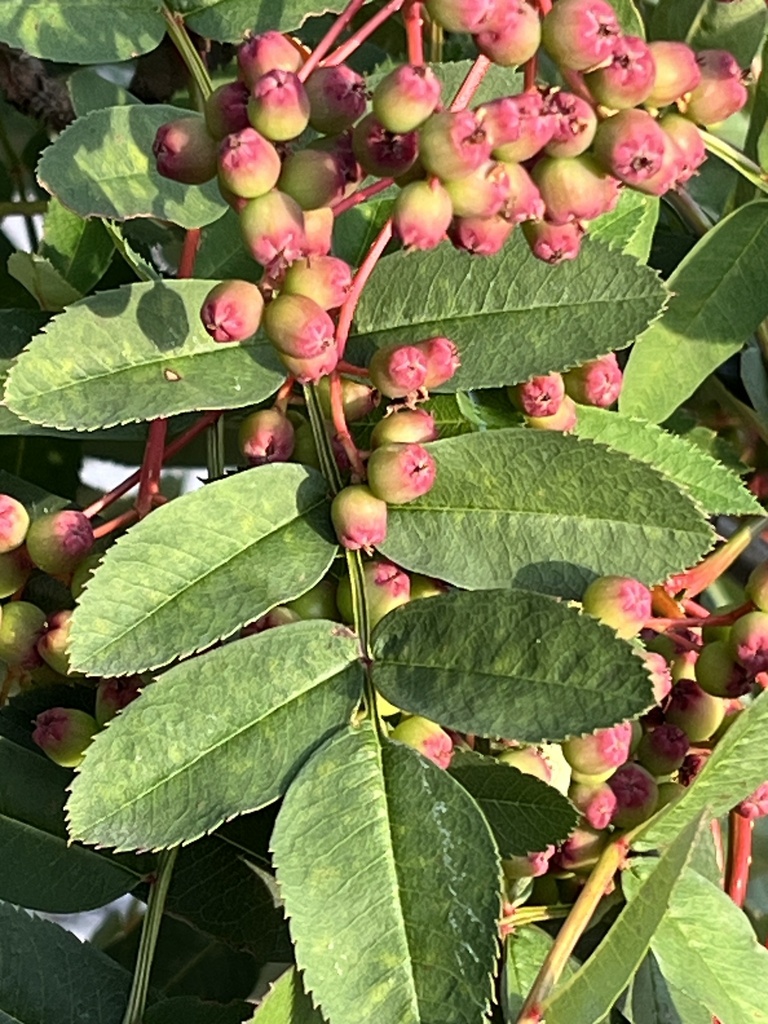
The rowan is a lovely deciduous tree known for its beautiful white spring flowers and bright red autumn berries. It is a hardy native that brings a nice touch of seasonal color to any garden. Birds absolutely love the fruit, making it a great choice for wildlife enthusiasts.
De un vistazo
- Nivel de cuidados
- Fácil
- Tipo de planta
- Deciduous tree
- Luz
- Full sun to partial shade
- Luz en interior
- Luz indirecta brillante
- Riego
- Cada 7 a 14 días
- Tamaño adulto
- 15 meters
- Ritmo de crecimiento
- Medio
- Rusticidad
- USDA 3 a 7
- Floración
- Late spring to early summer
Cuidados
Plant your rowan in a spot with well draining soil and keep it moist while it gets established. Watch for signs of leaf scorch during very hot summers. Pruning is best done in winter to maintain a nice shape and remove any damaged wood.
- Riego
- Keep the soil consistently moist but not waterlogged during the first few years.
- Abonado
- Apply a balanced slow release fertilizer in early spring to support healthy growth.
- Poda
- Prune during the dormant winter period to remove dead or crossing branches.
- Trasplante
- If growing in a container, move to a larger pot every few years until it reaches its final size.
- Suelo
- Moist but well drained
- pH del suelo
- Acidic to neutral
- Temperatura
- -35 a 30°C
- Humedad
- 40 a 70%
- Tolerancia a la sequía
- Moderada
- Longevidad
- Perennial, typically 50 to 100 years.
- Fragancia
- Suave
- Resistencia a ciervos y conejos
- Moderada
Señales de que necesita trasplante
- Roots growing out of the drainage holes.
- Water running straight through the pot.
Seguridad
- Personas
- The raw fruit is mildly toxic if ingested in large quantities due to parasorbic acid.
- Niños
- The bright red berries may look tempting to small children and should be kept out of reach to prevent accidental ingestion.
- Alérgenos por contacto
- The leaves and bark are generally non-irritating to the skin.
- Alérgenos en el aire
- The pollen can be a mild allergen for sensitive individuals during the flowering period.
- Comestibilidad
- The raw berries contain parasorbic acid which can cause stomach upset, though cooking renders them safe.
Cómo identificarla
- Pinnate leaves with serrated edges
- Clusters of small white flowers
- Bright red berry like fruits
- Smooth grey bark on young stems
- Altura
- 8 a 15m
- Anchura
- 4 a 8m
- Hojas
- green, deciduous
- Flores
- white, 0,5 a 1cm
- Frutos
- red, orange, Late summer to autumn
Problemas frecuentes
- Fire blight — A bacterial infection causing scorched looking leaves and branches.
- Aphids — Small insects that suck sap from new growth.
Cómo cultivarla
- Propagación
- seed, cuttings
- Cuándo plantar
- spring, autumn
- Cuidados en invierno
- No special winter care is needed as it is fully hardy. Ensure the base is clear of debris to prevent fungal issues.
- En maceta
- It is not well suited for long term container growth due to its large size.
Seed
- 1. Collect ripe berries in autumn.
- 2. Clean the seeds from the pulp.
- 3. Sow in pots outdoors to cold stratify over winter.
Plant in groups with other native woodland trees to create a naturalistic habitat for local birds.
Buenas compañeras
- Common Hawthorn — They share similar soil and light requirements in woodland settings.
- Silver Birch — These trees often grow together in natural forest clearings.
Especies parecidas
- Amelanchier lamarckii — It offers a similar habit and bird-friendly fruit.
Ciencia
- Familia
- Rosaceae
- Género
- Sorbus
- Orden
- Rosales
- Clase
- Magnoliopsida
- Distribución natural
- Europe and parts of Asia.
- Conservación
- This species is common and not of conservation concern.
It thrives in woodland edges and mountain slopes where it can access sufficient light.
- Valor para la fauna
- nectar source, bird food source
- Polinizadores
- abejas, mariposas
- Usos
- ornamental tree, wildlife garden, culinary jellies
A lo largo del año
Indicadores ecológicos
- Salinidad
- 2/9
- Reacción del suelo
- 5/9
- Luz
- 6/9
- Temperatura
- 4/9
- Humedad
- 5/9
- Nutrientes
- 4/9
Taxonomía cotejada con GBIF.
Lo que más preguntan
- Can I eat the berries raw?
- It is best to avoid eating them raw as they can cause digestive distress.
- Does it need a lot of water?
- It prefers moist but well drained soil and does not like to sit in water.
De dónde viene el nombre
The name Sorbus is the ancient Latin name for the tree, while aucuparia means bird-catching, referring to the use of berries as bait.
Bueno saberlo
- It is often called the rowan tree in folklore.
- Ancient traditions suggest planting it near homes for protection.
- The wood is very tough and was historically used for tool handles.
¿Tu rowan tiene mal aspecto?
Esta página es una guía general. Pocket Botanist diagnostica problemas a partir de una foto de tu propia planta, calcula el riego según tu luz y tus condiciones, y te avisa cuando toca cuidarla.
Esta guía se ha generado con IA y se ha cotejado con la taxonomía de GBIF. Es información general, no asesoramiento botánico ni veterinario. Descubre cómo elaboramos estas guías.