 Pocket Botanist
Guía de plantas
Blackberry.
Rubus fruticosus
Pronunciación ROO-bus froo-ti-KOH-sus
También se conoce como Blackberry, blackberry, bramble, bramble blackberry, shrubby blackberry, wild blackberry complex, Bramble


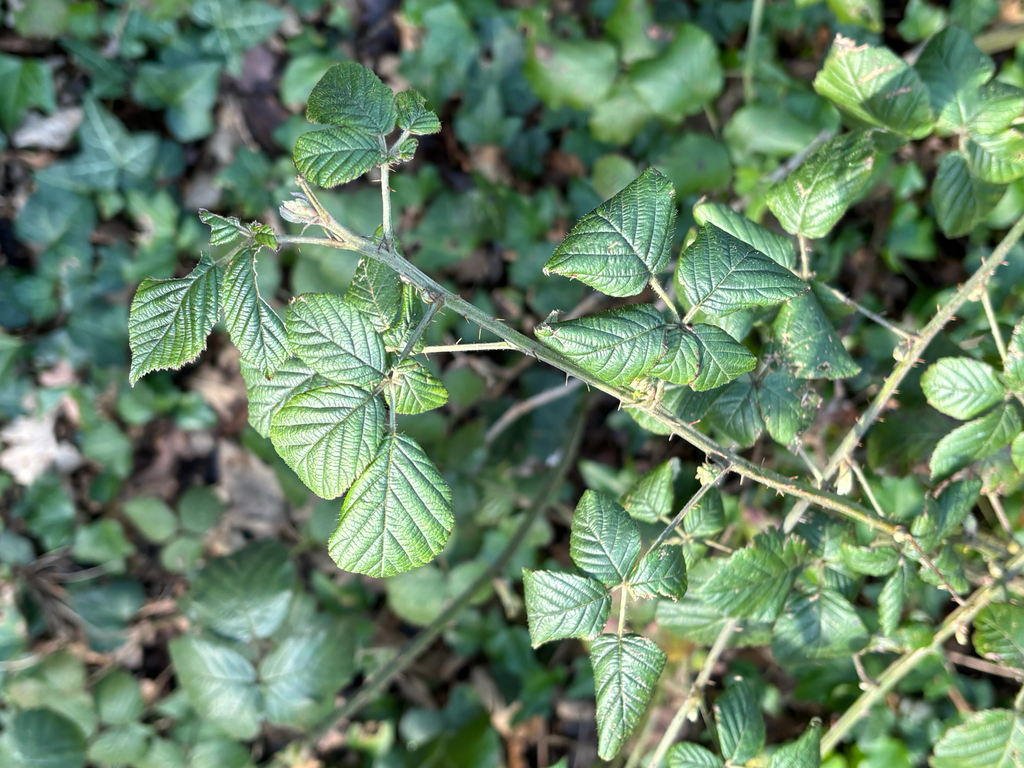
Blackberries are vigorous, sprawling shrubs that produce delicious dark fruit in the summer. They thrive in sunny spots and are perfect for gardeners who enjoy a bountiful harvest. These plants are known for their arching, thorny canes that can quickly fill a garden space.

De un vistazo
- Nivel de cuidados
- Media
- Tipo de planta
- Deciduous shrub
- Luz
- Full sun
- Luz en interior
- Sol directo
- Riego
- Cada 3 a 7 días
- Tamaño adulto
- 6 to 10 feet
- Ritmo de crecimiento
- Rápido
- Rusticidad
- USDA 5 a 9
- Floración
- Late spring to mid summer
Cuidados
Keep the soil consistently moist while the fruit is developing to ensure a good crop. You should train the canes along a trellis to keep them tidy and make picking easier. Watch for yellowing leaves, which can indicate poor drainage or nutrient deficiencies.
- Riego
- Water deeply once a week, increasing frequency during hot, dry spells.
- Abonado
- Apply a balanced fertilizer in early spring as new growth begins.
- Poda
- Cut back canes that have already fruited to the ground in late autumn.
- Trasplante
- These are best grown in the ground, but if container grown, move to a larger pot every few years.
- Suelo
- Well draining loamy soil
- pH del suelo
- 5.5 to 7.0
- Temperatura
- -20 a 35°C
- Humedad
- 40 a 70%
Seguridad
- Personas
- The plant is not toxic, but the sharp thorns can cause significant skin abrasions.
- Niños
- The sharp thorns pose a significant risk of injury to small children, so keep them away from dense thickets.
- Alérgenos por contacto
- The stiff, hooked prickles on the stems can cause mechanical skin irritation or scratches.
- Alérgenos en el aire
- The pollen is generally not considered a significant airborne allergen.
- Comestibilidad
- Always ensure you are harvesting from a clean area away from roadsides or chemical sprays.
Cómo identificarla
- Thorny, arching woody canes
- Compound leaves with five leaflets
- White or pink five petaled flowers
- Aggregate fruit turning black when ripe
- Altura
- 1 a 3m
- Anchura
- 1,5 a 4m
- Hojas
- dark green, semi-evergreen
- Flores
- white, pale pink, 2 a 4cm
- Frutos
- black, Late summer to early autumn
Problemas frecuentes
- Rust — Orange pustules appear on the undersides of leaves during damp weather.
- Aphids — Small sap sucking insects that cluster on new growth.
Cómo cultivarla
- Propagación
- cuttings, division, layering
- Cuándo plantar
- spring, autumn
Keep the area around the base clear of aggressive grasses to reduce competition for water and nutrients.
Buenas compañeras
- Manzano de flor — They share similar soil requirements and benefit from the same mulching practices.
- Ajo — Planting garlic nearby may help deter certain pests.
Especies parecidas
- Raspberry — They are closely related and share similar growth habits and care needs.
Ciencia
- Familia
- Rosaceae
- Género
- Rubus
- Orden
- Rosales
- Clase
- Magnoliopsida
- Distribución natural
- Europe and parts of Asia.
- Conservación
- This species is considered invasive in many parts of the world outside its native range.
It thrives in disturbed areas and forest edges where it can quickly colonize open ground.
- Valor para la fauna
- nectar source, larval host plant, provides cover for birds
- Polinizadores
- abejas, mariposas, escarabajos
- Usos
- culinary fruit, wildlife habitat, hedgerow barrier
A lo largo del año
Indicadores ecológicos
- Salinidad
- 2/9
- Reacción del suelo
- 6/9
- Luz
- 7/9
- Temperatura
- 5/9
- Humedad
- 5/9
- Nutrientes
- 6/9
Taxonomía cotejada con GBIF.
Lo que más preguntan
- Do I need to prune my blackberries?
- Yes, pruning out the old canes that have already fruited helps keep the plant healthy and productive.
- Why are my berries sour?
- Berries need plenty of sun and consistent moisture to develop their full sugar content.
De dónde viene el nombre
The name Rubus comes from the Latin word for red, while fruticosus means shrubby or bushy.
Bueno saberlo
- Blackberries have been used for thousands of years as both food and medicine.
- The juice of the fruit has been used as a natural dye.
- Blackberry canes typically live for two years, producing leaves the first year and fruit the second.
¿Tu blackberry tiene mal aspecto?
Esta página es una guía general. Pocket Botanist diagnostica problemas a partir de una foto de tu propia planta, calcula el riego según tu luz y tus condiciones, y te avisa cuando toca cuidarla.
Esta guía se ha generado con IA y se ha cotejado con la taxonomía de GBIF. Es información general, no asesoramiento botánico ni veterinario. Descubre cómo elaboramos estas guías.