 Pocket Botanist
Guía de plantas
Ricino.
Ricinus communis
Pronunciación RISS-in-us kom-YOO-niss
También se conoce como Castor, Castor Oil, Castor Oil Plant, Castor Oil Tree, Castor Plant, Castor-Oil Bush, Castor-Oil Plant, Castor-Oil Tree



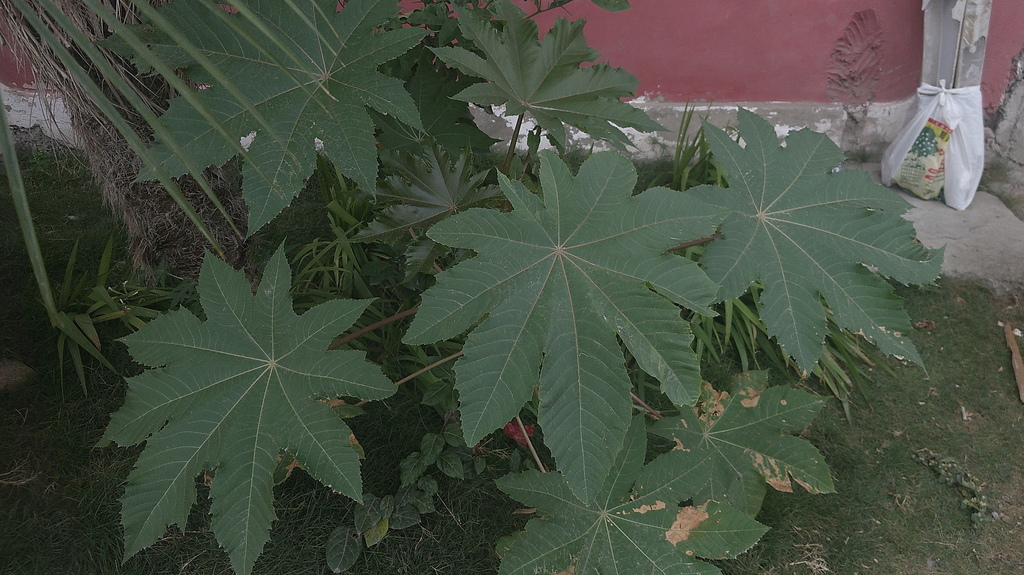
El ricino es un arbusto tropical de crecimiento rápido que causa una gran impresión en el jardín con sus enormes hojas palmeadas. A menudo se cultiva como anual en climas más fríos porque no tolera las heladas. Ten mucho cuidado, ya que todas las partes de esta planta son muy tóxicas si se ingieren.
De un vistazo
- Nivel de cuidados
- Fácil
- Tipo de planta
- Arbusto
- Luz
- Pleno sol
- Luz en interior
- Sol directo
- Riego
- Cada 3 a 7 días
- Tamaño adulto
- 300 a 450 cm
- Ritmo de crecimiento
- Rápido
- Rusticidad
- USDA 9 a 11
- Floración
- Mediados de verano hasta principios de otoño
Cuidados
Dale a esta planta mucho espacio y pleno sol para que alcance su máximo potencial. Mantén la tierra constantemente húmeda durante la temporada de crecimiento y vigila si se marchita si se seca demasiado. Es una gran consumidora de nutrientes, así que proporciona nutrientes regularmente para mantener su rápido crecimiento.
- Riego
- Mantén la tierra uniformemente húmeda pero no encharcada.
- Abonado
- Aplica un fertilizante líquido equilibrado una vez al mes durante la temporada de crecimiento activo.
- Poda
- Poda los tallos muertos o dañados a principios de primavera si se cultiva como planta perenne.
- Trasplante
- Trasplanta anualmente si se mantiene en macetas para acomodar su rápido crecimiento radicular.
- Suelo
- Suelo rico y bien drenado
- pH del suelo
- 6.0 a 7.0
- Temperatura
- 10 a 35°C
- Humedad
- 40 a 70%
- Tolerancia a la sequía
- Moderada
- Longevidad
- Perenne delicada, típicamente cultivada como anual.
- Resistencia a ciervos y conejos
- Alta
Señales de que necesita trasplante
- Raíces que crecen fuera de los orificios de drenaje.
- Crecimiento atrofiado a pesar de la alimentación regular.
- El agua pasa directamente a través de la maceta sin empaparse.
Seguridad
- Personas
- La planta contiene ricina y ricinina, lo que la hace extremadamente peligrosa si se consume.
- Mascotas
- Esta planta es extremadamente tóxica para gatos y perros si se ingiere.
- Niños
- Esta planta es extremadamente peligrosa para los niños porque las semillas, atractivas y parecidas a frijoles, son muy venenosas si se tragan.
- Alérgenos por contacto
- La savia puede causar irritación de la piel o dermatitis en personas sensibles.
- Alérgenos en el aire
- El polen puede desencadenar reacciones alérgicas en algunas personas.
- Comestibilidad
- Todas las partes de esta planta son altamente tóxicas si se ingieren, especialmente las semillas que contienen ricina.
Cómo identificarla
- Hojas grandes palmeadas
- Hojas a menudo con tinte púrpura rojizo
- Cápsulas de semillas espinosas
- Tallos leñosos altos
- Altura
- 1,5 a 3m
- Anchura
- 1 a 2m
- Hojas
- púrpura oscuro, bronce, verde, caducifolio
- Flores
- rojo, verde, 1 a 2cm
- Frutos
- rojo espinoso, marrón, Otoño
Problemas a vigilar
- Araña rojaComún
- Podredumbre grisComún
- Manchas foliaresPoco común
- Podredumbre radicularPoco común
- Moho gris — Crecimiento fúngico que aparece en hojas o tallos durante períodos de alta humedad.
- Ácaros de araña — Pequeñas plagas que chupan la savia y causan moteado en el follaje.
Por síntoma
Revisa tu ricino con una foto
Pocket Botanist mira una foto de tu planta y te dice qué le pasa y qué probar primero.
Cómo cultivarla
- Propagación
- semilla
- Cuándo plantar
- Primavera
- Cuidados en invierno
- En áreas libres de heladas, recorte los tallos a fines del invierno para fomentar un nuevo crecimiento. En regiones más frías, la planta morirá por completo con la primera helada fuerte y deberá retirarse.
- En maceta
- Crece bien en contenedores muy grandes, de al menos 20 galones, para acomodar su enorme sistema de raíces.
Semilla
- Remojar las semillas en agua tibia durante 24 horas para ablandar la cubierta dura.
- Plantar las semillas a 1 pulgada de profundidad en macetas individuales después de que haya pasado el peligro de heladas.
- Mantener el suelo cálido y húmedo hasta que ocurra la germinación en 1 a 2 semanas.
Planta esto como un audaz punto focal en el centro de un macizo rodeado de anuales de menor crecimiento.
Buenas compañeras
- Lirio de Canna — Comparten requisitos tropicales similares y brindan un buen contraste en la textura de las hojas.
- Coleo — El coleo prospera en la sombra parcial que proyectan las grandes hojas de ricino.
Especies parecidas
- Ensete ventricosum — Proporciona una apariencia tropical audaz similar en el jardín.
Ciencia
- Familia
- Euphorbiaceae
- Género
- Ricinus
- Orden
- Malpighiales
- Clase
- Magnoliopsida
- Distribución natural
- África oriental tropical y la cuenca del Mediterráneo.
- Conservación
- No es de preocupación para la conservación, aunque se considera una maleza invasora en muchas regiones tropicales.
Es una especie pionera de rápido crecimiento que coloniza rápidamente el suelo perturbado en climas cálidos.
- Valor para la fauna
- fuente de néctar
- Polinizadores
- abejas, mariposas
- Usos
- follaje ornamental, producción de aceite industrial
A lo largo del año
Indicadores ecológicos
- Reacción del suelo
- 6/9
- Luz
- 8/9
- Temperatura
- 8/9
- Nutrientes
- 7/9
- Salinidad
- 2/9
- Humedad
- 6/9
Taxonomía cotejada con GBIF.
Lo que más preguntan
- ¿Puedo cultivar esto en una maceta?
- Sí, crece bien en recipientes grandes si se le da mucho sol y agua.
- ¿Es una planta perenne?
- Es una perenne delicada que generalmente se cultiva como anual en climas más fríos.
De dónde viene el nombre
El nombre Ricinus es latín para garrapata, refiriéndose a la semejanza de la semilla con el insecto, mientras que communis significa común.
Bueno saberlo
- El aceite de ricino se extrae de las semillas para uso industrial y medicinal.
- Crece increíblemente rápido, a menudo alcanzando su altura máxima en una sola temporada.
- Las semillas se han utilizado durante siglos en varias culturas para obtener aceite.
También en
Que tu ricino siga creciendo
Esta página es una guía general. Guarda tu planta en Pocket Botanist y tendrás recordatorios de cuidado pensados para esta planta, además de un historial de cuidados que muestra qué ha funcionado.
Esta guía se ha generado con IA y se ha cotejado con la taxonomía de GBIF. Es información general, no asesoramiento botánico ni veterinario. Descubre cómo elaboramos estas guías.