 Pocket Botanist
Guía de plantas
Lirio de Canna.
Canna indica
Pronunciación KAN-uh IN-dih-kuh
También se conoce como African arrowroot, Canna plurituberosa, Cannon, Indian Canna, Indian Shot, Indian-shot, Araruta de Queensland


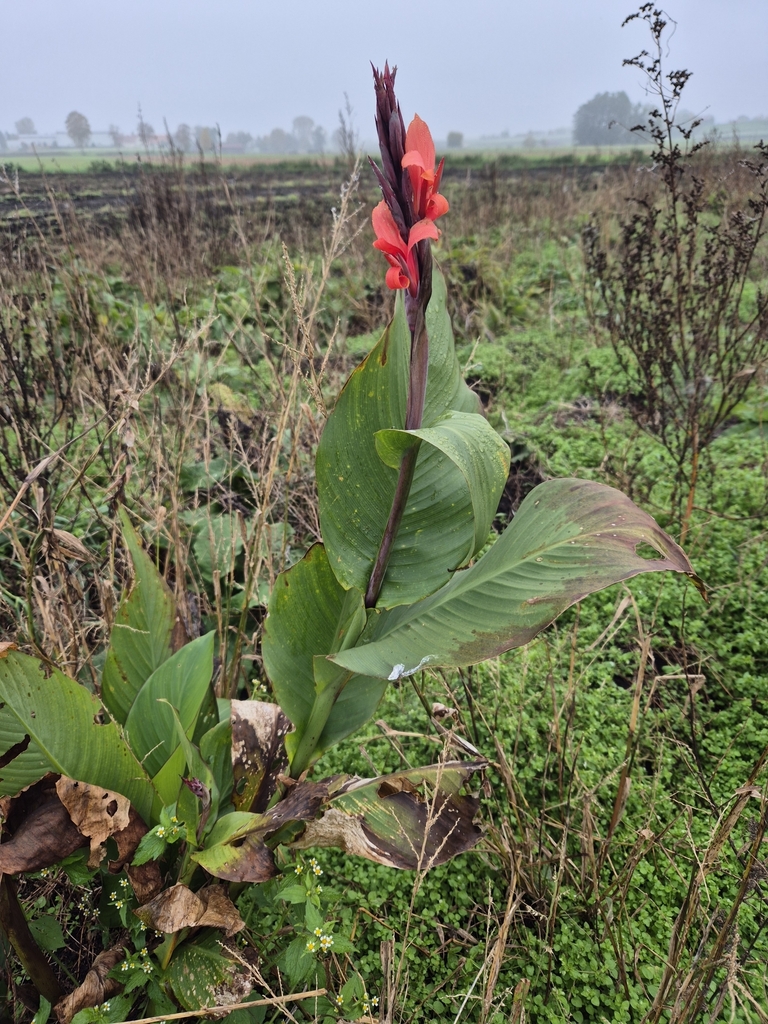
Los lirios de Canna son plantas perennes tropicales llamativas que aportan un toque dramático y exótico a cualquier jardín. Cuentan con hojas grandes en forma de remo y flores vibrantes, parecidas a las de un iris, que florecen durante todo el verano. Estas plantas prosperan con el calor y la humedad, lo que las hace perfectas para lugares soleados.

De un vistazo
- Nivel de cuidados
- Fácil
- Tipo de planta
- Perenne herbácea
- Luz
- Pleno sol
- Luz en interior
- Sol directo
- Riego
- Cada 2 a 4 días
- Tamaño adulto
- 150 a 200 cm
- Ritmo de crecimiento
- Rápido
- Rusticidad
- USDA 7 a 11
- Floración
- Mediados de verano hasta finales de otoño
Cuidados
Mantén la tierra constantemente húmeda y proporciona abundante luz solar directa para obtener las mejores floraciones. Observa si las hojas se amarillean, lo que puede indicar exceso de riego o mal drenaje. En climas fríos, desentierra los rizomas antes de la primera helada para guardarlos en interiores durante el invierno.
- Riego
- Mantén la tierra uniformemente húmeda pero no encharcada.
- Abonado
- Aplica un fertilizante líquido equilibrado mensualmente durante la temporada de crecimiento.
- Poda
- Elimina las flores marchitas para fomentar la floración continua durante toda la temporada.
- Trasplante
- Trasplanta cuando los rizomas estén muy apretados en la maceta.
- Suelo
- Suelo rico, franco, bien drenado.
- pH del suelo
- 6.0 a 7.0
- Temperatura
- 10 a 35°C
- Humedad
- 60 a 90%
- Tolerancia a la sequía
- Baja
- Longevidad
- Perenne, típicamente de 5 a 10 años
- Resistencia a ciervos y conejos
- Moderada
Señales de que necesita trasplante
- Raíces saliendo de los agujeros de drenaje
- Crecimiento atrofiado durante la temporada activa
- Rizomas empujando la planta fuera de la maceta
Seguridad
- Personas
- Esta planta generalmente se considera no tóxica para los humanos.
- Mascotas
- Esta planta generalmente se considera no tóxica para gatos y perros.
- Niños
- Las semillas duras del tamaño de un guisante pueden ser un peligro de asfixia para niños pequeños.
- Alérgenos por contacto
- Las hojas pueden causar irritación leve de la piel en personas sensibles debido a su textura.
- Alérgenos en el aire
- No hay informes significativos de alergias respiratorias asociadas con esta planta.
- Comestibilidad
- Los rizomas almidonados son técnicamente comestibles, pero a menudo fibrosos y requieren una cocción prolongada.
Cómo identificarla
- Follaje grande en forma de remo
- Flores brillantes, parecidas a las de un iris
- Tallos altos y sin ramificar
- Sistema de raíces rizomatosas
- Altura
- 0,9 a 1,8m
- Anchura
- 0,45 a 0,9m
- Hojas
- verde, bronce, caducifolio
- Flores
- rojo, naranja, amarillo, 5 a 10cm
- Frutos
- negro, Finales de otoño
Problemas a vigilar
- Oruga enrolladora de la cannaComún
- Roya de la cannaComún
- Babosas y caracolesPoco común
- ClorosisPoco común
- Podredumbre de los tubérculosPoco común
- PulgonesPoco común
- Rodillo de hoja de Canna — Las orugas enrollan las hojas juntas y se alimentan en el interior, causando daños antiestéticos.
- Roya de Canna — Infección fúngica que causa pequeñas manchas naranjas o marrones en el follaje.
Por síntoma
Revisa tu lirio de canna con una foto
Pocket Botanist mira una foto de tu planta y te dice qué le pasa y qué probar primero.
Cómo cultivarla
- Propagación
- división, semilla
- Cuándo plantar
- primavera
- Cuidados en invierno
- Recorta el follaje después de la primera helada. En climas fríos, desentierra los rizomas, déjalos secar ligeramente y guárdalos en musgo de turba en un área libre de heladas.
- En maceta
- Crecen muy bien en macetas grandes, siempre que utilices una maceta de al menos 40 cm de ancho para acomodar los rizomas.
División
- Desentierra el cepellón a principios de primavera.
- Usa un cuchillo afilado y limpio para cortar los rizomas en secciones.
- Asegúrate de que cada sección tenga al menos un botón de crecimiento sano.
- Vuelve a plantar las secciones a unos 10 cm de profundidad.
Combínalas con otras plantas tropicales amantes de la humedad para crear una exhibición exuberante y de alto impacto.
Buenas compañeras
Especies parecidas
- Canna glauca — Una especie relacionada que es aún más tolerante al agua estancada.
Ciencia
- Familia
- Cannaceae
- Género
- Canna
- Orden
- Zingiberales
- Clase
- Liliopsida
- Distribución natural
- América tropical
- Conservación
- Esta especie está muy naturalizada y no es de preocupación para la conservación.
Prospera en hábitats húmedos y soleados donde puede extenderse a través de su vigoroso sistema de rizomas.
- Valor para la fauna
- fuente de néctar
- Polinizadores
- colibríes, abejas, mariposas
- Usos
- borde ornamental, planta tropical en maceta, plantación al borde del estanque
A lo largo del año
Indicadores ecológicos
- Salinidad
- 2/9
- Reacción del suelo
- 6/9
- Temperatura
- 8/9
- Luz
- 8/9
- Humedad
- 7/9
- Nutrientes
- 7/9
Taxonomía cotejada con GBIF.
Lo que más preguntan
- ¿Debo desenterrar mis cannas en invierno?
- En zonas más frías que la 7, debes desenterrar los rizomas y guardarlos en un lugar fresco y seco.
- ¿Con qué frecuencia debo regarlas?
- A las cannas les encanta la humedad y deben mantenerse constantemente húmedas durante la temporada de crecimiento.
De dónde viene el nombre
El nombre Canna proviene de la palabra griega para caña, mientras que indica se refiere a su asociación histórica con las Indias Orientales.
Bueno saberlo
- Las semillas son tan duras que se han utilizado como cuentas en joyería y sonajeros.
- A menudo se le llama 'Indian shot' porque las semillas se parecen a perdigones de plomo de un arma de fuego.
- Estas plantas son excelentes para limpiar el agua en entornos de humedales.
Que tu lirio de canna siga creciendo
Esta página es una guía general. Guarda tu planta en Pocket Botanist y tendrás recordatorios de cuidado pensados para esta planta, además de un historial de cuidados que muestra qué ha funcionado.
Esta guía se ha generado con IA y se ha cotejado con la taxonomía de GBIF. Es información general, no asesoramiento botánico ni veterinario. Descubre cómo elaboramos estas guías.