 Pocket Botanist
Guía de plantas
Guava.
Psidium guajava
Pronunciación SID-ee-um GWAH-hah-vah
También se conoce como Guava, Guava Tree, Guava, Common guava, Yellow guava, Lemon guava, Guave Tree, Guyaba, abas


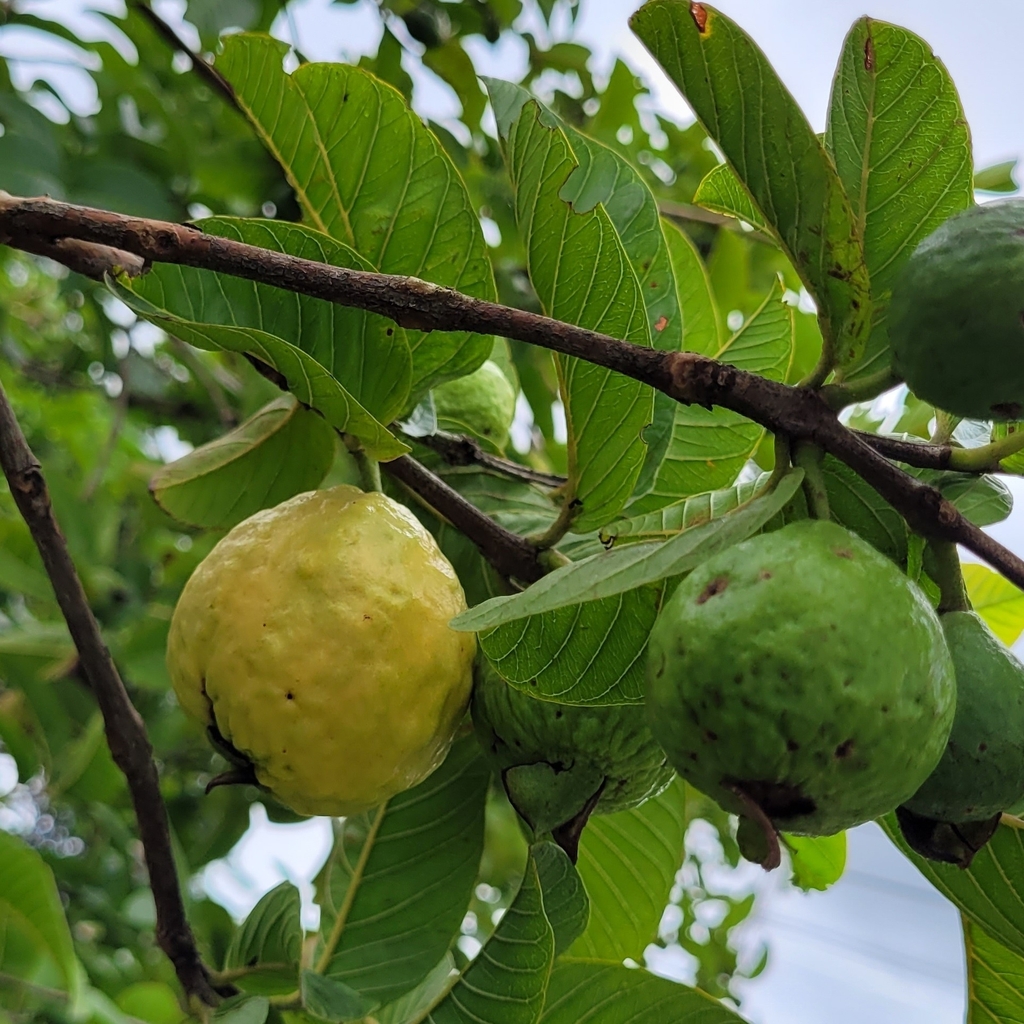
The guava is a tropical evergreen tree prized for its sweet, fragrant fruit and attractive, peeling bark. It thrives in warm climates and makes a lovely addition to a sunny garden or a large container. You will love watching it produce beautiful white flowers followed by delicious fruit.

De un vistazo
- Nivel de cuidados
- Media
- Tipo de planta
- Tropical fruit tree
- Luz
- Full sun
- Luz en interior
- Sol directo
- Riego
- Cada 3 a 7 días
- Tamaño adulto
- 10 to 30 feet
- Ritmo de crecimiento
- Rápido
- Rusticidad
- USDA 9 a 11
- Floración
- Late spring to early summer
Cuidados
Keep the soil consistently moist but never waterlogged to ensure healthy growth. Watch for yellowing leaves which can indicate overwatering or nutrient deficiencies. Provide plenty of warmth and sunshine to help your tree produce the best fruit.
- Riego
- Water deeply whenever the top inch of soil feels dry to the touch.
- Abonado
- Apply a balanced fertilizer every two months during the active growing season.
- Poda
- Prune once a year after harvest to maintain shape and encourage fruit production.
- Trasplante
- Repot young trees every year or two until they reach their desired size.
- Suelo
- Well draining loamy soil
- pH del suelo
- 5.0 to 7.0
- Temperatura
- 5 a 35°C
- Humedad
- 50 a 80%
- Tolerancia a la sequía
- Moderada
- Longevidad
- Perennial, typically 20 to 40 years
- Fragancia
- Intensa
- Resistencia a ciervos y conejos
- Moderada
Señales de que necesita trasplante
- Roots growing out of the drainage holes.
- Water running straight through the pot without soaking in.
- Stunted growth despite regular feeding.
Seguridad
- Personas
- The plant is generally considered non-toxic, though excessive consumption of leaves or bark may cause mild stomach irritation.
- Niños
- The fruit contains small, hard seeds that pose a potential choking hazard for very young children.
- Alérgenos por contacto
- The leaves have a slightly rough texture that may cause minor skin irritation in sensitive individuals.
- Alérgenos en el aire
- Pollen from the flowers can trigger mild hay fever symptoms in susceptible people during the bloom period.
- Comestibilidad
- Ensure fruit is fully ripe before consumption to avoid potential digestive upset from unripe flesh.
Cómo identificarla
- Smooth, peeling reddish brown bark
- Opposite, oval shaped green leaves
- Prominent veins on leaf undersides
- Fragrant white flowers with many stamens
- Round or pear shaped edible fruit
- Altura
- 3 a 6m
- Anchura
- 3 a 6m
- Hojas
- green, evergreen
- Flores
- white, 2 a 4cm
- Frutos
- yellow, green, pink, white, Late summer to winter
Problemas frecuentes
- Guava fruit fly — Larvae tunnel into the fruit, causing premature drop and rot.
- Anthracnose — Fungal infection causing dark, sunken spots on leaves and fruit.
Cómo cultivarla
- Propagación
- seed, cuttings, air layering
- Cuándo plantar
- spring
- Cuidados en invierno
- Move container plants indoors before the first frost. In the ground, cover young trees with frost cloth if temperatures dip near freezing.
- En maceta
- It grows well in containers, provided you use a pot at least 50 liters in size with excellent drainage.
Seed
- 1. Clean seeds from fresh fruit pulp.
- 2. Soak seeds in warm water for 24 hours.
- 3. Plant in well-draining seed starting mix.
- 4. Keep warm and moist until germination.
Planting aromatic herbs beneath the canopy can help confuse pests that target the fruit.
Buenas compañeras
Especies parecidas
- Psidium cattleyanum — A smaller, hardier relative with similar fruit characteristics.
Ciencia
- Familia
- Myrtaceae
- Género
- Psidium
- Orden
- Myrtales
- Clase
- Magnoliopsida
- Distribución natural
- Tropical Americas
- Conservación
- This species is widely cultivated and not considered threatened in its native range.
It thrives in sunny, frost-free environments and spreads easily through seeds dispersed by birds and mammals.
- Valor para la fauna
- nectar source, provides food for birds
- Polinizadores
- abejas, mariposas
- Usos
- culinary fruit, ornamental tree, traditional medicine
A lo largo del año
Indicadores ecológicos
- Salinidad
- 2/9
- Reacción del suelo
- 6/9
- Luz
- 8/9
- Temperatura
- 8/9
- Humedad
- 6/9
- Nutrientes
- 6/9
Taxonomía cotejada con GBIF.
Lo que más preguntan
- How do I know when a guava is ripe?
- The fruit is ripe when it yields slightly to pressure and emits a sweet, fragrant aroma.
- Can I grow guava in a pot?
- Yes, dwarf varieties perform well in large containers with proper pruning.
De dónde viene el nombre
The genus name Psidium comes from the Greek word psidion, meaning pomegranate, while guajava is derived from the Arawak word for the fruit.
Bueno saberlo
- Guavas are native to tropical regions of the Americas.
- The wood is very dense and is sometimes used for smoking meats.
- Guava leaves are often brewed into a tea to help with digestive issues.
- The tree has beautiful, smooth, peeling bark that reveals different colors underneath.
¿Tu guava tiene mal aspecto?
Esta página es una guía general. Pocket Botanist diagnostica problemas a partir de una foto de tu propia planta, calcula el riego según tu luz y tus condiciones, y te avisa cuando toca cuidarla.
Esta guía se ha generado con IA y se ha cotejado con la taxonomía de GBIF. Es información general, no asesoramiento botánico ni veterinario. Descubre cómo elaboramos estas guías.