 Pocket Botanist
Guía de plantas
Ribwort plantain.
Plantago lanceolata
Pronunciación plan-TAY-go lan-see-oh-LAY-tuh
También se conoce como Buckhorn, Buckhorn Plantain, English Plantai, English Plantain, German Psyllium, Lamb's Tongue, Lanceleaf Indianwheat, Lanceleaf Plantain


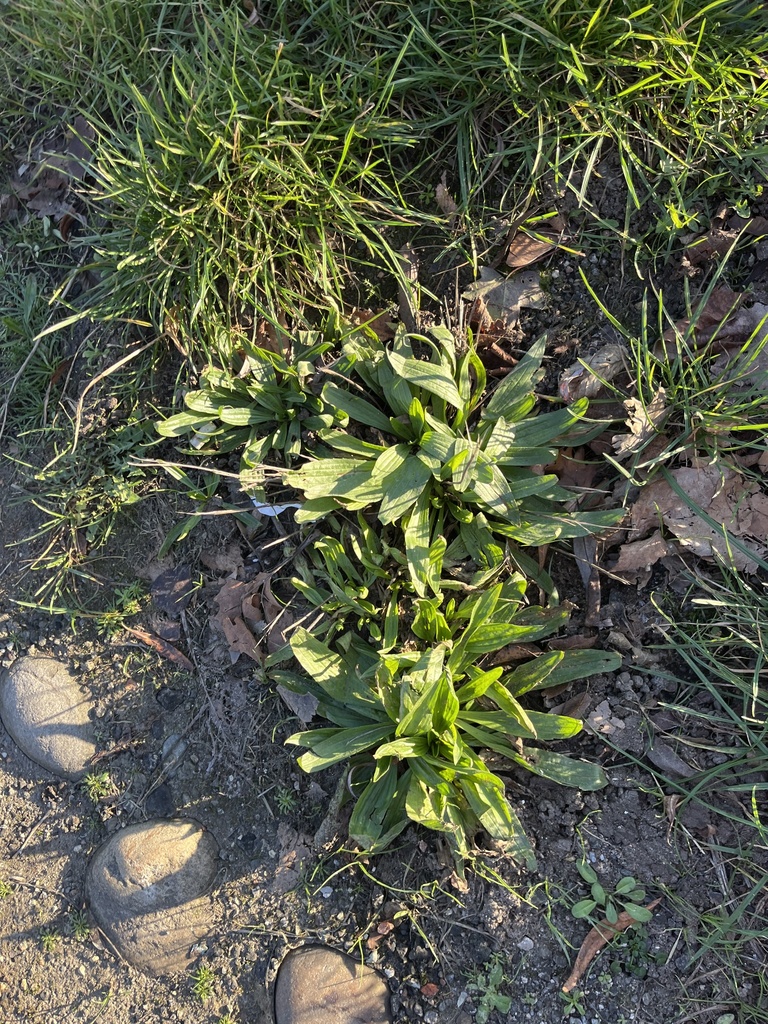
Ribwort plantain is a hardy perennial herb often found in meadows and along roadsides. It is known for its distinct ribbed leaves and tall, slender flower spikes. This plant is quite resilient and adapts well to various soil conditions.

De un vistazo
- Nivel de cuidados
- Fácil
- Tipo de planta
- Perennial herb
- Luz
- Full sun
- Luz en interior
- Sol directo
- Riego
- Cada 3 a 7 días
- Tamaño adulto
- 1 to 2 feet
- Ritmo de crecimiento
- Medio
- Rusticidad
- USDA 3 a 10
- Floración
- Late spring to early autumn
Cuidados
Keep the soil consistently moist to support healthy growth. Watch for yellowing leaves which can indicate poor drainage or overwatering. It thrives best when given plenty of space to spread.
- Riego
- Water whenever the top inch of soil feels dry to the touch.
- Abonado
- Apply a balanced liquid fertilizer during the active growing season.
- Poda
- Trim back spent flower stalks to encourage new growth.
- Trasplante
- Move to a slightly larger container once the roots fill the current pot.
- Suelo
- Well draining loamy soil
- pH del suelo
- 6.0 to 7.5
- Temperatura
- -20 a 35°C
- Humedad
- 30 a 80%
- Tolerancia a la sequía
- Moderada
- Longevidad
- Perennial, typically 3 to 5 years.
- Resistencia a ciervos y conejos
- Moderada
Señales de que necesita trasplante
- Roots growing out of drainage holes
- Stunted growth
Seguridad
- Personas
- It is generally considered non-toxic to humans.
- Niños
- There are no specific safety concerns for children, though it is often found in areas treated with herbicides.
- Alérgenos por contacto
- The leaves can cause mild skin irritation in sensitive individuals.
- Alérgenos en el aire
- The windborne pollen is a significant cause of seasonal hay fever.
- Comestibilidad
- Young leaves are edible, but older leaves become tough and bitter.
Cómo identificarla
- Narrow lance shaped leaves
- Prominent parallel leaf veins
- Tall leafless flower stalks
- Small brownish flower heads
- Altura
- 0,1 a 0,5m
- Anchura
- 0,15 a 0,3m
- Hojas
- green, semi-evergreen
- Flores
- brown, white, 0,5 a 1,5cm
- Frutos
- brown, Summer to autumn
Problemas frecuentes
- Powdery mildew — A fungal infection that appears as white dusty spots on leaves.
Cómo cultivarla
- Propagación
- seed, division
- Cuándo plantar
- spring, autumn
- Cuidados en invierno
- The plant remains as a low rosette of leaves through winter in mild climates and regrows from the crown in spring.
- En maceta
- It grows easily in pots, but is rarely kept as a container plant due to its weedy nature.
Seed
- 1. Collect seeds in late summer.
- 2. Sow directly into soil in autumn.
- 3. Keep soil moist until germination.
It works well in meadow mixes but can outcompete delicate garden flowers.
Buenas compañeras
- Trébol blanco — They both thrive in similar meadow conditions.
- Diente de león — These species often grow together in disturbed grasslands.
Especies parecidas
- Greater Plantain — It has similar medicinal properties but much wider, rounded leaves.
Ciencia
- Familia
- Plantaginaceae
- Género
- Plantago
- Orden
- Lamiales
- Clase
- Magnoliopsida
- Distribución natural
- Europe and temperate Asia.
- Conservación
- It is a widespread, non-threatened species often considered an invasive weed in non-native regions.
It colonizes disturbed ground and compacted soils by producing abundant wind dispersed seeds.
- Valor para la fauna
- larval host plant, nectar source
- Polinizadores
- abejas, mariposas, polillas
- Usos
- herbal medicine, forage, ground cover
A lo largo del año
Indicadores ecológicos
- Salinidad
- 3/9
- Reacción del suelo
- 5/9
- Luz
- 7/9
- Temperatura
- 5/9
- Humedad
- 5/9
- Nutrientes
- 5/9
Taxonomía cotejada con GBIF.
Lo que más preguntan
- Is it a weed?
- Yes, it is widely considered a lawn weed, though it has medicinal uses.
- Does it need much water?
- It is quite adaptable but prefers consistent moisture.
De dónde viene el nombre
The name Plantago comes from the Latin word for sole of the foot, referring to the leaf shape, while lanceolata describes the lance shaped leaves.
Bueno saberlo
- It is often called ribwort plantain due to the prominent veins in its leaves.
- The plant was historically used to treat wounds and skin ailments.
- It thrives in compacted soil where other plants struggle.
¿Tu ribwort plantain tiene mal aspecto?
Esta página es una guía general. Pocket Botanist diagnostica problemas a partir de una foto de tu propia planta, calcula el riego según tu luz y tus condiciones, y te avisa cuando toca cuidarla.
Esta guía se ha generado con IA y se ha cotejado con la taxonomía de GBIF. Es información general, no asesoramiento botánico ni veterinario. Descubre cómo elaboramos estas guías.