 Pocket Botanist
Guía de plantas
Naranjo de mock.
Philadelphus
Pronunciación fill-uh-DELL-fuss
También se conoce como naranjo de mock, naranjos de mock, naranjo de mock, naranjos de mock, naranjo de mock, lila



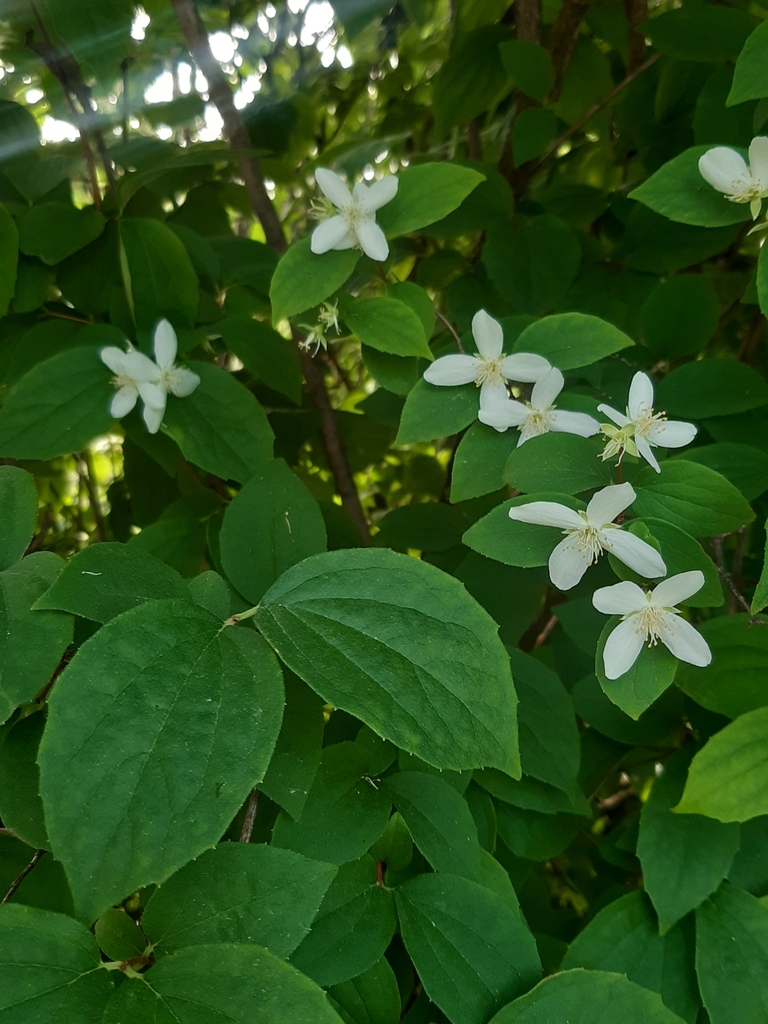
El naranjo de mock es un maravilloso arbusto de hoja caduca conocido por sus flores blancas increíblemente fragantes que florecen a finales de la primavera. Es una adición clásica a cualquier jardín, especialmente cerca de ventanas o caminos donde se puede disfrutar de su aroma. Estos arbustos son bastante resistentes y aportan una sensación encantadora y tradicional a tu paisaje.
De un vistazo
- Nivel de cuidados
- Fácil
- Tipo de planta
- Arbusto de hoja caduca
- Luz
- Sol pleno a sombra parcial
- Luz en interior
- Luz indirecta brillante
- Riego
- Cada 7 a 14 días
- Tamaño adulto
- 8 a 12 pies
- Ritmo de crecimiento
- Medio
- Rusticidad
- USDA 4 a 8
- Floración
- Finales de primavera a principios de verano
Cuidados
Planta en tierra que drene bien y deja suficiente espacio para su hábito natural de ramificación arqueada. Estate atento a las hojas amarillentas, que podrían indicar mal drenaje o demasiada sombra. Poda inmediatamente después de la floración para fomentar el crecimiento nuevo para el año siguiente.
- Riego
- Riega profundamente durante las sequías para mantener la zona de la raíz consistentemente húmeda, pero no encharcada.
- Abonado
- Aplica un fertilizante equilibrado de liberación lenta a principios de la primavera, justo cuando comienza el nuevo crecimiento.
- Poda
- Poda los tallos que han florecido un tercio inmediatamente después de que las flores se desvanecen.
- Trasplante
- Si lo cultivas en maceta, trasplántalo a una maceta más grande cada pocos años para renovar la tierra.
- Suelo
- Tierra limosa bien drenada
- pH del suelo
- 6.0 a 7.5
- Temperatura
- -25 a 35°C
- Humedad
- 40 a 70%
- Tolerancia a la sequía
- Moderada
- Longevidad
- Perenne, típicamente de 15 a 20 años o más.
- Fragancia
- Intensa
- Resistencia a ciervos y conejos
- Moderada
Señales de que necesita trasplante
- Las raíces crecen por los agujeros de drenaje.
- El agua drena muy lentamente o no drena en absoluto.
- La planta se seca mucho más rápido de lo habitual.
- Acumulación visible de sal o minerales en la superficie del suelo.
Seguridad
- Personas
- Esta planta generalmente se considera no tóxica para los humanos.
- Niños
- Los tallos son leñosos y pueden ser afilados si se rompen, pero no hay un riesgo específico de ingestión para los niños.
- Alérgenos por contacto
- Algunas personas pueden experimentar irritación leve de la piel al manipular el follaje.
- Alérgenos en el aire
- La fuerte fragancia de las flores puede desencadenar sensibilidades en algunas personas.
- Comestibilidad
- La planta no se considera comestible y no debe consumirse.
Cómo identificarla
- Flores blancas fragantes de cuatro pétalos
- Hojas simples ovadas opuestas
- Corteza correosa y papirácea en tallos viejos
- Ramas leñosas arqueadas
- Altura
- 1,5 a 3m
- Anchura
- 1,5 a 2,5m
- Hojas
- verde, caducifolio
- Flores
- blanco, 2 a 5cm
Problemas a vigilar
- OídioComún
- PulgonesComún
- ClorosisPoco común
- CochinillasPoco común
- Manchas foliaresPoco común
- Podredumbre radicularPoco común
Por síntoma
Revisa tu naranjo de mock con una foto
Pocket Botanist mira una foto de tu planta y te dice qué le pasa y qué probar primero.
Cómo cultivarla
- Propagación
- esquejes, división
- Cuándo plantar
- primavera, otoño
- Cuidados en invierno
- El naranjo de mock es un arbusto resistente que generalmente no requiere cuidados especiales para el invierno. En regiones muy frías, una capa de mantillo alrededor de la base puede ayudar a proteger las raíces de las fluctuaciones extremas de temperatura.
- En maceta
- El naranjo de mock se puede cultivar en macetas, pero prefiere una maceta más grande, de al menos 15 a 20 galones, para acomodar su sistema de raíces y su tamaño eventual.
Esquejes de madera blanda
- Toma esquejes de 10 a 15 cm de crecimiento nuevo a finales de primavera o principios de verano.
- Retira las hojas inferiores y sumerge el extremo cortado en hormona de enraizamiento.
- Inserta los esquejes en una mezcla de tierra húmeda para macetas.
- Mantén la humedad constantemente y proporciona luz brillante e indirecta.
- Las raíces deberían formarse en 4-6 semanas.
Esquejes de madera dura
- Toma esquejes de 15 a 25 cm de madera madura y latente a finales de otoño o invierno.
- Retira las hojas inferiores y los brotes laterales.
- Inserta los esquejes en un lecho preparado de arena húmeda o mezcla para macetas, dejando dos yemas expuestas.
- Mantén el medio consistentemente húmedo y protege de las duras condiciones invernales.
- Las raíces suelen formarse en primavera.
División
- Desentierra los montones establecidos a principios de primavera u otoño.
- Divide cuidadosamente la bola de raíces en secciones, asegurando que cada sección tenga raíces y brotes.
- Reimplanta las divisiones inmediatamente a la misma profundidad.
- Riega bien después de plantar.
Planta cerca de otros arbustos de floración primaveral para crear una sucesión de color y aroma.
Buenas compañeras
- Weigela clásica — Comparten requisitos de suelo y luz similares.
- Peonía — Sus tiempos de floración a menudo se superponen para una exhibición hermosa.
Especies parecidas
- Deutzia — Tienen hábitos de crecimiento y flores blancas similares.
Ciencia
- Familia
- Hydrangeaceae
- Género
- Philadelphus
- Orden
- Cornales
- Clase
- Magnoliopsida
- Distribución natural
- América del Norte, Europa y Asia.
- Conservación
- Esta planta no es de preocupación de conservación.
Crece en los bordes de bosques y matorrales donde se beneficia de la luz moteada y del suelo húmedo y bien drenado.
- Valor para la fauna
- fuente de néctar
- Polinizadores
- abejas, mariposas
- Usos
- arbusto ornamental, adición fragante al jardín, planta para setos
A lo largo del año
Indicadores ecológicos
- Salinidad
- 2/9
- Reacción del suelo
- 6/9
- Luz
- 6/9
- Humedad
- 5/9
- Nutrientes
- 5/9
- Temperatura
- 5/9
Taxonomía cotejada con GBIF.
Lo que más preguntan
- ¿Cuándo debo podar mi naranjo de mock?
- Poda inmediatamente después de que las flores se desvanecen para fomentar el nuevo crecimiento para el próximo año.
- ¿Necesita pleno sol?
- Prospera a pleno sol, pero tolera la sombra parcial.
De dónde viene el nombre
El nombre científico Philadelphus proviene de la palabra griega para amor fraternal, mientras que el nombre común se refiere al aroma similar a la naranja.
Bueno saberlo
- Las flores del naranjo de mock son famosas por su intenso y dulce perfume.
- Fue una opción popular en los jardines victorianos por su fragancia.
- El nombre del género Philadelphus honra a un antiguo rey egipcio.
- Estos arbustos requieren muy poco mantenimiento una vez establecidos.
Que tu naranjo de mock siga creciendo
Esta página es una guía general. Guarda tu planta en Pocket Botanist y tendrás recordatorios de cuidado pensados para esta planta, además de un historial de cuidados que muestra qué ha funcionado.
Esta guía se ha generado con IA y se ha cotejado con la taxonomía de GBIF. Es información general, no asesoramiento botánico ni veterinario. Descubre cómo elaboramos estas guías.