 Pocket Botanist
Guía de plantas
Enredadera de Virginia.
Parthenocissus quinquefolia
Pronunciación par-then-oh-SIS-us kwin-kwe-FO-lee-uh
También se conoce como Hiedra americana, Hiedra americana, Hiedra de cinco hojas, Hiedra de cinco hojas, Hiedra de cinco hojas


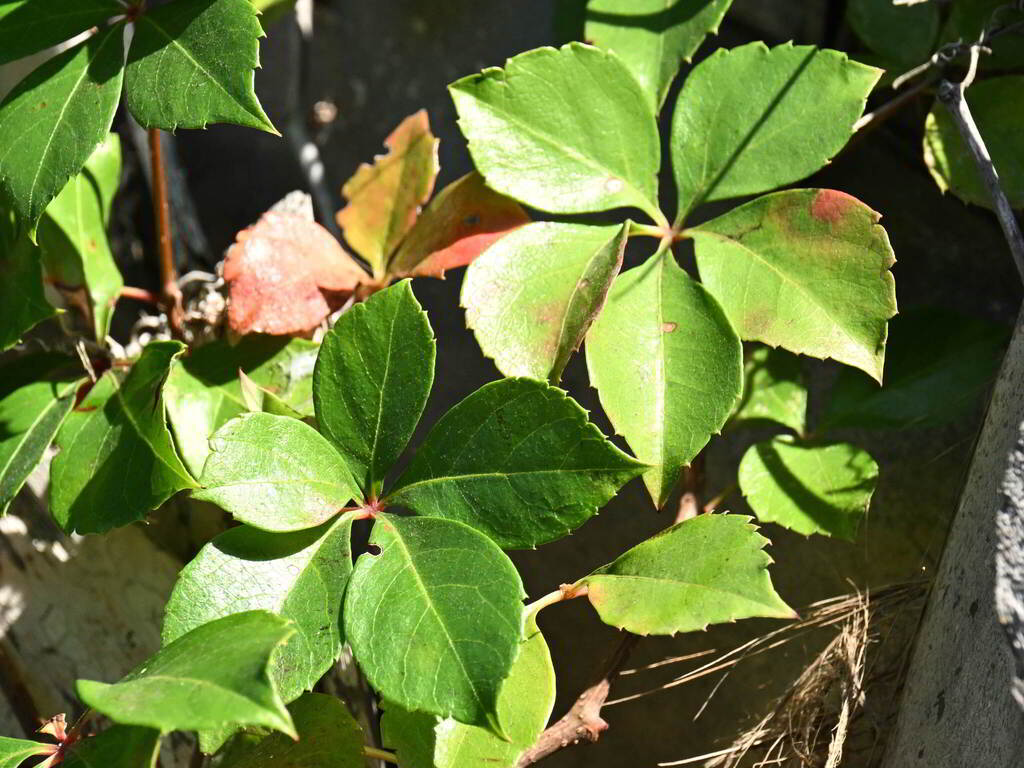
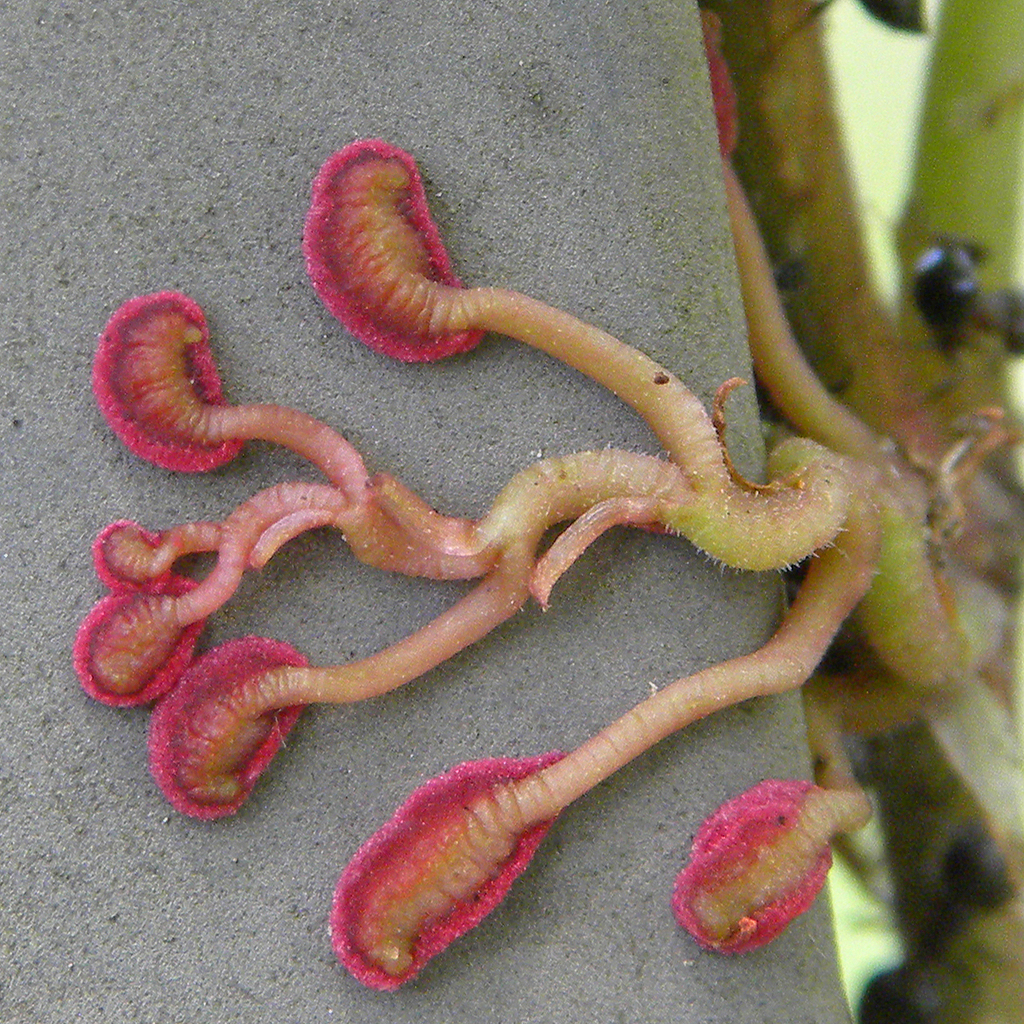
La enredadera de Virginia es una vid leñosa vigorosa y caduca, conocida por su impresionante color otoñal. Trepa usando pequeños zarcillos adhesivos, lo que la hace perfecta para cubrir paredes o vallas. Es una planta nativa resistente que sustenta la vida silvestre local con sus bayas.
De un vistazo
- Nivel de cuidados
- Fácil
- Tipo de planta
- Enredadera leñosa caduca
- Luz
- Pleno sol a sombra parcial
- Luz en interior
- Luz indirecta brillante
- Riego
- Cada 7 a 14 días
- Tamaño adulto
- 10 a 15 metros
- Ritmo de crecimiento
- Rápido
- Rusticidad
- USDA 3 a 9
- Floración
- Principios a mediados de verano
Cuidados
Esta vid es bastante adaptable y prospera en la mayoría de las condiciones del suelo. Vigila su rápido crecimiento, ya que puede apoderarse rápidamente de estructuras o árboles si no se controla. Pódala cada vez que empiece a extenderse más allá del área deseada.
- Riego
- Riega regularmente hasta que se establezca, luego se vuelve bastante tolerante a la sequía.
- Abonado
- Una sola aplicación de fertilizante equilibrado a principios de primavera es suficiente.
- Poda
- Poda a finales de invierno o en verano para controlar su agresiva propagación.
- Trasplante
- Generalmente se cultiva en el suelo, pero los ejemplares en macetas necesitan tierra fresca cada pocos años.
- Suelo
- Franco arcilloso, arcilloso o arenoso bien drenado
- pH del suelo
- 6.0 a 7.5
- Temperatura
- -30 a 35°C
- Humedad
- 40 a 70%
- Tolerancia a la sequía
- Alta
- Longevidad
- Perenne de larga vida.
- Resistencia a ciervos y conejos
- Moderada
Señales de que necesita trasplante
- Las raíces salen de los orificios de drenaje.
- El agua pasa directamente a través de la maceta.
- Crecimiento atrofiado.
Seguridad
- Personas
- La savia puede causar irritación en la piel en personas sensibles, y las bayas son venenosas.
- Mascotas
- La planta contiene cristales de oxalato de calcio que pueden causar irritación si son ingeridos por gatos o perros.
- Niños
- Mantenga a los niños alejados de las bayas, ya que son tóxicas si se comen.
- Alérgenos por contacto
- El contacto con la savia puede causar irritación leve de la piel o dermatitis en algunas personas.
- Alérgenos en el aire
- El polen no se considera un alérgeno significativo.
- Comestibilidad
- Las bayas contienen ácido oxálico y se consideran tóxicas para los humanos si se ingieren.
Cómo identificarla
- Cinco folíolos dispuestos en una hoja compuesta palmada
- Las hojas se vuelven de color rojo brillante en otoño
- Trepa por discos adhesivos pequeños en los zarcillos
- Pequeños racimos de bayas de color azul oscuro
- Flores de color blanco verdoso en verano
- Altura
- 9 a 15m
- Anchura
- 3 a 6m
- Hojas
- verde, rojo, morado, caducifolio
- Flores
- verde, blanco, 0,5 a 1cm
- Frutos
- azul, negro, Finales de verano a otoño
Problemas a vigilar
- Escarabajo japonésComún
- Manchas foliaresComún
- OídioPoco común
- Quemadura foliarPoco común
- Mancha foliar — Aparecen manchas fúngicas en las hojas durante las estaciones húmedas.
- Escarabajos japoneses — Estos escarabajos roen agujeros en el follaje a mediados del verano.
Por síntoma
Revisa tu enredadera de virginia con una foto
Pocket Botanist mira una foto de tu planta y te dice qué le pasa y qué probar primero.
Cómo cultivarla
- Propagación
- esquejes, semilla, acodo
- Cuándo plantar
- primavera, otoño
- Cuidados en invierno
- No se necesita ningún cuidado especial ya que es completamente resistente, pero puedes podar el crecimiento excesivo a finales de invierno.
- En maceta
- Es mejor mantenerla en el suelo, pero puede crecer en un recipiente muy grande si se poda regularmente.
Esquejes de madera dura
- Toma esquejes de 15 cm a finales de invierno.
- Colócalos en tierra húmeda.
- Mantenlos en un lugar fresco y luminoso hasta la primavera.
Plántala donde tenga mucho espacio para extenderse, ya que puede dominar fácilmente a los arbustos más pequeños.
Buenas compañeras
- Roble — Naturalmente trepa árboles en entornos forestales sin dañarlos.
- Árbol de Judas — Comparten requisitos de hábitat similares en los bordes del bosque.
Especies parecidas
- Parthenocissus tricuspidata — Es un pariente cercano con un hábito de crecimiento similar pero diferente forma de hoja.
Ciencia
- Familia
- Vitaceae
- Género
- Parthenocissus
- Orden
- Vitales
- Clase
- Magnoliopsida
- Distribución natural
- Norteamérica oriental y central.
- Conservación
- Esta planta está muy extendida y no es motivo de preocupación para la conservación.
Coloniza naturalmente los bordes de los bosques y las laderas rocosas, proporcionando cobertura esencial para los animales pequeños.
- Valor para la fauna
- fuente de néctar, cobertura para anidar, alimento de invierno para aves
- Polinizadores
- abejas, mariposas
- Usos
- cubierta vertical, cubierta del suelo, control de la erosión, hábitat de vida silvestre
A lo largo del año
Indicadores ecológicos
- Salinidad
- 2/9
- Reacción del suelo
- 5/9
- Luz
- 5/9
- Temperatura
- 5/9
- Humedad
- 5/9
- Nutrientes
- 5/9
Taxonomía cotejada con GBIF.
Lo que más preguntan
- ¿Dañará mi muro de ladrillos?
- Generalmente no daña la mampostería en buen estado, pero puede desprender pintura de los revestimientos de madera.
- ¿Qué tan rápido crece?
- Es una planta de crecimiento vigoroso que puede añadir varios pies de longitud en una sola temporada.
De dónde viene el nombre
El nombre Parthenocissus proviene de las palabras griegas para virgen e hiedra, mientras que quinquefolia significa cinco hojas.
Bueno saberlo
- Trepa usando pequeñas almohadillas adhesivas en lugar de zarcillos enredados.
- El nombre Virginia creeper (enredadera de Virginia) es un poco engañoso, ya que es nativa de gran parte de América del Norte.
- A menudo se confunde con la hiedra venenosa, pero tiene cinco hojuelas mientras que la hiedra venenosa tiene tres.
También en
Que tu enredadera de virginia siga creciendo
Esta página es una guía general. Guarda tu planta en Pocket Botanist y tendrás recordatorios de cuidado pensados para esta planta, además de un historial de cuidados que muestra qué ha funcionado.
Esta guía se ha generado con IA y se ha cotejado con la taxonomía de GBIF. Es información general, no asesoramiento botánico ni veterinario. Descubre cómo elaboramos estas guías.