 Pocket Botanist
Guía de plantas
Nandina.
Nandina domestica
Pronunciación nan-DEE-nuh doh-MES-tih-kuh
También se conoce como Bambú chino, Bambú celestial, Bambú sagrado, Nandina, Nanten, Bambú sagrado del sur


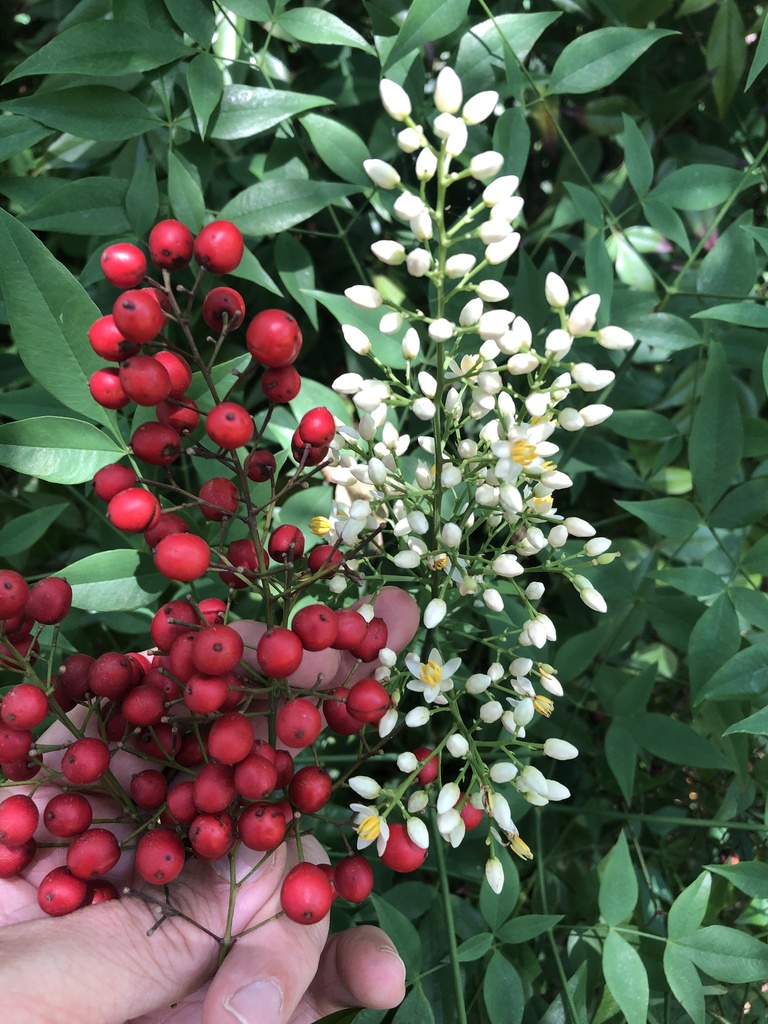
La Nandina es un arbusto perenne resistente que aporta una textura encantadora al jardín con sus tallos parecidos al bambú. Es un favorito por sus cambios de color estacionales y sus brillantes bayas rojas. Verás que se adapta bastante bien a diversas condiciones de jardín.
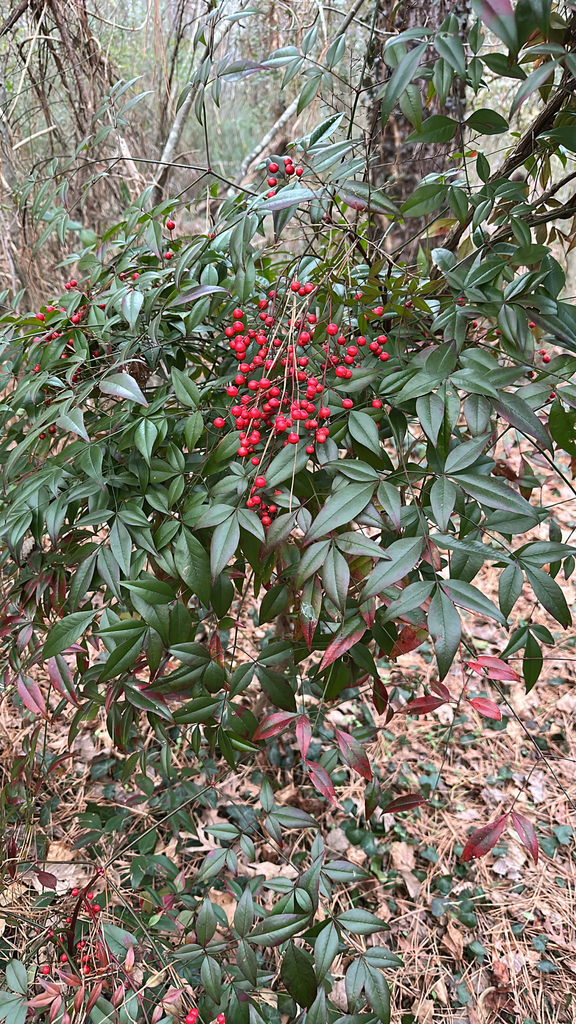
De un vistazo
- Nivel de cuidados
- Fácil
- Tipo de planta
- Arbusto perenne
- Luz
- Pleno sol a sombra parcial
- Luz en interior
- Luz indirecta brillante
- Riego
- Cada 7 a 14 días
- Tamaño adulto
- 8 pies
- Ritmo de crecimiento
- Medio
- Rusticidad
- USDA 6 a 9
- Floración
- Finales de primavera a principios de verano
Cuidados
Mantén la tierra constantemente húmeda pero nunca empapada para asegurar el mejor crecimiento. Observa las hojas amarillentas, que a menudo señalan que la planta está recibiendo demasiada agua. Poda los tallos viejos para mantener el arbusto fresco y frondoso.
- Riego
- Riega cuando la pulgada superior de la tierra se sienta seca al tacto.
- Abonado
- Aplica un fertilizante equilibrado durante la temporada de crecimiento activo.
- Poda
- Retira los tallos muertos o dañados a finales del invierno para fomentar el nuevo crecimiento.
- Trasplante
- Trasplanta solo cuando la planta tenga las raíces apretadas en su contenedor.
- Suelo
- Tierra franca bien drenada
- pH del suelo
- 6.0 a 7.5
- Temperatura
- -15 a 35°C
- Humedad
- 40 a 70%
- Tolerancia a la sequía
- Moderada
- Longevidad
- Perenne, típicamente 20 años o más
- Resistencia a ciervos y conejos
- Alta
Señales de que necesita trasplante
- raíces saliendo de los agujeros de drenaje
- el agua pasa directamente a través de la maceta
- crecimiento atrofiado a pesar del cuidado adecuado
Seguridad
- Personas
- La planta contiene compuestos que pueden liberar cianuro al consumirse, lo que la hace peligrosa para personas y mascotas.
- Mascotas
- Esta planta es tóxica para gatos y perros si se ingiere.
- Niños
- Las bayas rojo brillante son atractivas para los niños, pero representan un grave riesgo de ingestión.
- Alérgenos por contacto
- Manipular el follaje puede causar irritación leve de la piel en personas sensibles.
- Alérgenos en el aire
- El polen puede desencadenar reacciones alérgicas leves en algunas personas durante la temporada de floración.
- Comestibilidad
- Todas las partes de esta planta son tóxicas para humanos y animales si se ingieren debido a los glucósidos cianogénicos.
Cómo identificarla
- Hojas compuestas con folíolos puntiagudos
- Tallos leñosos verticales parecidos a cañas
- Racimos de pequeñas flores blancas
- Bayas esféricas de color rojo brillante
- El follaje se vuelve bronceado en invierno
- Altura
- 1,2 a 2,4m
- Anchura
- 0,9 a 1,5m
- Hojas
- verde, rojo, bronce, perenne
- Flores
- blanco, 0,5 a 1cm
- Frutos
- rojo brillante, Otoño a invierno
Problemas a vigilar
- CochinillasComún
- Virosis de la nandinaComún
- ClorosisPoco común
- Manchas foliaresPoco común
- NegrillaPoco común
- Podredumbre radicularPoco común
- Virus de la Nandina — Causa distorsión de las hojas y crecimiento atrofiado.
Por síntoma
Revisa tu nandina con una foto
Pocket Botanist mira una foto de tu planta y te dice qué le pasa y qué probar primero.
Cómo cultivarla
- Propagación
- escas, división, semilla
- Cuándo plantar
- primavera, otoño
- Cuidados en invierno
- En regiones más frías, aplique una capa de mantillo alrededor de la base para proteger las raíces de las heladas profundas.
- En maceta
- Crece bien en macetas grandes, siempre que la maceta tenga al menos 40 centímetros de ancho y tenga un excelente drenaje.
Esquejes de tallo
- 1. Tome esquejes semiduros en verano.
- 2. Sumerja el extremo cortado en hormona de enraizamiento.
- 3. Coloque en una mezcla para macetas bien drenada.
- 4. Mantenga húmedo hasta que las raíces se desarrollen.
Plantar en grupos para asegurar una mejor polinización y una exhibición más espectacular de bayas.
Buenas compañeras
- Lirio de plátano — Comparten requisitos de sombra similares y ofrecen un buen contraste textural.
- Arce japonés — Comparten una estética común y preferencias ambientales por entornos boscosos.
Especies parecidas
- Berberis — Ambos pertenecen a la misma familia y comparten hábitos de crecimiento similares.
Ciencia
- Familia
- Berberidaceae
- Género
- Nandina
- Orden
- Ranunculales
- Clase
- Magnoliopsida
- Distribución natural
- Asia Oriental y Japón
- Conservación
- Se considera invasora en muchas partes del sureste de los Estados Unidos, donde escapa del cultivo.
Prospera en los sotobosques de los bosques y áreas alteradas, propagándose fácilmente a través de semillas dispersadas por las aves.
- Valor para la fauna
- proporciona alimento invernal para las aves
- Polinizadores
- abejas, mariposas
- Usos
- arbusto ornamental, seto, planta de maceta, interés invernal
A lo largo del año
Indicadores ecológicos
- Salinidad
- 2/9
- Reacción del suelo
- 5/9
- Luz
- 5/9
- Temperatura
- 6/9
- Humedad
- 5/9
- Nutrientes
- 4/9
Taxonomía cotejada con GBIF.
Lo que más preguntan
- ¿Es realmente bambú?
- No, solo parece bambú debido a sus tallos erguidos y parecidos a cañas.
- ¿Necesita podas?
- Puedes podar las cañas viejas en la base a fines del invierno para mantener la planta luciendo fresca.
De dónde viene el nombre
El nombre del género Nandina es una versión latinizada del nombre japonés nanten, mientras que domestica se refiere a su larga historia de cultivo en jardines domésticos.
Bueno saberlo
- Las hojas a menudo adquieren tonos brillantes de rojo o púrpura en invierno.
- Es una planta muy resistente que tolera bien la contaminación urbana.
- Las aves a menudo dispersan las semillas, lo que contribuye a su condición de invasora en algunas regiones.
También en
Que tu nandina siga creciendo
Esta página es una guía general. Guarda tu planta en Pocket Botanist y tendrás recordatorios de cuidado pensados para esta planta, además de un historial de cuidados que muestra qué ha funcionado.
Esta guía se ha generado con IA y se ha cotejado con la taxonomía de GBIF. Es información general, no asesoramiento botánico ni veterinario. Descubre cómo elaboramos estas guías.