 Pocket Botanist
Guía de plantas
Monstera deliciosa.
Monstera adansonii adansonii
Pronunciación mon-STAIR-uh ad-an-SO-nee-eye
También se conoce como Monstera adansonii var. adansonii



Esta encantadora planta trepadora es famosa por los agujeros únicos en sus hojas. Es una opción fantástica si buscas un look tropical en tu hogar. Crece rápido y le encanta trepar.
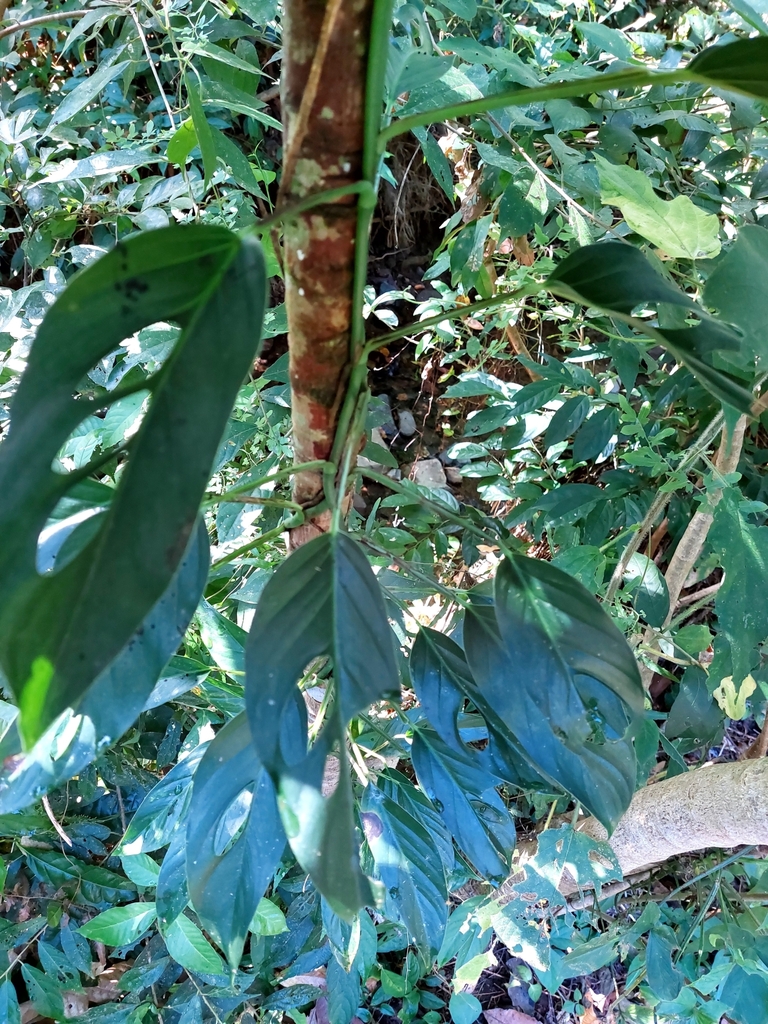
De un vistazo
- Nivel de cuidados
- Fácil
- Tipo de planta
- Enredadera tropical
- Luz
- La luz brillante indirecta es lo mejor.
- Luz en interior
- Luz indirecta brillante
- Riego
- Cada 7 a 10 días
- Tamaño adulto
- 1 a 2.5 metros en interior
- Ritmo de crecimiento
- Rápido
- Rusticidad
- USDA 10 a 12
- Floración
- Raramente en entornos domésticos, generalmente desde finales de primavera hasta verano
Cuidados
Mantén la tierra consistentemente húmeda pero nunca empapada. Estate atento a las hojas amarillas, que a menudo señalan exceso de riego. Proporciona un tutor de musgo para fomentar un mayor crecimiento de las hojas.
- Riego
- Riega cuando la pulgada superior de la tierra se sienta seca al tacto.
- Abonado
- Alimenta con un fertilizante líquido balanceado durante la temporada de crecimiento.
- Poda
- Recorta los tallos largos para mantener la planta frondosa y ordenada.
- Trasplante
- Trasplanta cuando las raíces comiencen a salir por los agujeros de drenaje.
- Suelo
- Mezcla de aráceas bien drenada
- pH del suelo
- 5.5 a 7.0
- Temperatura
- 15 a 27°C
- Humedad
- 60 a 90%
- Tolerancia a la sequía
- Baja
- Longevidad
- Perenne, típicamente de 5 a 10 años con el cuidado adecuado.
- Resistencia a ciervos y conejos
- Moderada
Señales de que necesita trasplante
- Raíces que crecen fuera de los agujeros de drenaje.
- El agua pasa directamente a través de la maceta sin absorberse.
- La planta deja de crecer a pesar de una buena luz y cuidado.
Seguridad
- Personas
- Esta planta es tóxica para los humanos si se ingiere y puede causar irritación en la piel al contacto con la savia.
- Mascotas
- Esta planta es tóxica para gatos y perros si se ingiere.
- Niños
- Mantenga esta planta fuera del alcance de los niños, ya que la ingestión de cualquier parte puede causar hinchazón dolorosa y dificultad para tragar.
- Alérgenos por contacto
- La savia contiene cristales de oxalato de calcio que pueden causar irritación o erupciones en la piel.
- Alérgenos en el aire
- No hay evidencia significativa de alergias respiratorias asociadas con esta planta.
- Comestibilidad
- La planta contiene cristales de oxalato de calcio que causan irritación severa en la boca y la garganta si se ingieren.
Cómo identificarla
- Hojas en forma de corazón con agujeros
- Color verde oscuro de la hoja
- Hábito de crecimiento trepador
- Superficie de la hoja texturizada
- Altura
- 1 a 3m
- Anchura
- 0,3 a 0,6m
- Hojas
- verde oscuro, perenne
- Flores
- crema, blanco, 5 a 10cm
- Frutos
- verde, amarillo, Raramente producida en cultivo
Problemas a vigilar
- Araña rojaComún
- Bordes marrones en las hojasComún
- Moscas del mantilloComún
- Podredumbre radicularComún
- ClorosisPoco común
- CochinillasPoco común
- Cochinillas algodonosasPoco común
- TripsPoco común
- Ácaros araña — Pequeños insectos que chupan la savia y crean finas telarañas en el envés de las hojas.
- Pudrición de raíz — Causada por riego excesivo o mal drenaje que conduce a raíces blandas y oscuras.
Por síntoma
Revisa tu monstera deliciosa con una foto
Pocket Botanist mira una foto de tu planta y te dice qué le pasa y qué probar primero.
Cómo cultivarla
- Propagación
- esquejes, división
- Cuándo plantar
- primavera, verano
- Cuidados en invierno
- Traiga la planta al interior si la mantiene afuera durante el verano. Manténgala alejada de corrientes de aire frío y reduzca ligeramente el riego a medida que el crecimiento disminuye en invierno.
- En maceta
- Crece muy bien en macetas y se ve excelente en cestas colgantes, siempre que el recipiente tenga agujeros de drenaje.
Esquejes de tallo
- 1. Identifique un tallo con al menos un nudo y una hoja sana.
- 2. Use tijeras limpias para cortar justo debajo del nudo.
- 3. Coloque el esqueje en un frasco con agua o directamente en tierra húmeda.
- 4. Mantenga en luz brillante e indirecta hasta que las raíces se desarrollen.
Agrupe las plantas tropicales para crear un microclima que aumente naturalmente la humedad local.
Buenas compañeras
- Lirio de paz — Comparten requisitos de humedad y luz similares.
- Filodendro neón — Ambas son plantas tropicales trepadoras que prosperan en el mismo entorno.
Especies parecidas
- Filodendro de hoja de queso suizo — Un pariente más grande con hojas mucho más grandes y partidas.
- Potos dorado — Una planta de interior trepadora común con necesidades de cuidado similares.
Ciencia
- Familia
- Araceae
- Género
- Monstera
- Orden
- Alismatales
- Clase
- Liliopsida
- Distribución natural
- América Central y del Sur
- Conservación
- Actualmente no figura como en peligro, pero se debe evitar la recolección silvestre para proteger las poblaciones locales.
Crece como epífita en las selvas tropicales, utilizando sus raíces aéreas para trepar a los árboles en busca de la luz del dosel.
- Valor para la fauna
- fuente de néctar
- Polinizadores
- abejas, escarabajos
- Usos
- planta de interior, maceta colgante, trepadora de interior
A lo largo del año
Indicadores ecológicos
- Salinidad
- 2/9
- Reacción del suelo
- 6/9
- Luz
- 5/9
- Temperatura
- 7/9
- Humedad
- 6/9
- Nutrientes
- 5/9
Taxonomía cotejada con GBIF.
Lo que más preguntan
- ¿Por qué mis hojas se están volviendo amarillas?
- Las hojas amarillas suelen ser una señal de riego excesivo o mal drenaje.
- ¿Necesita luz solar directa?
- No, prefiere luz brillante e indirecta para mantener su vibrante color verde.
De dónde viene el nombre
El nombre Monstera se refiere a la apariencia inusual y monstruosa de las hojas, mientras que adansonii honra al botánico francés Michel Adanson.
Bueno saberlo
- A menudo se le llama la "Vid del Queso Suizo" debido a los agujeros únicos en sus hojas.
- Esta planta es una epífita trepadora que crece de forma natural en los árboles en la naturaleza.
- Crece mucho más rápido cuando se le proporciona un palo de musgo para trepar.
También en
Que tu monstera deliciosa siga creciendo
Esta página es una guía general. Guarda tu planta en Pocket Botanist y tendrás recordatorios de cuidado pensados para esta planta, además de un historial de cuidados que muestra qué ha funcionado.
Esta guía se ha generado con IA y se ha cotejado con la taxonomía de GBIF. Es información general, no asesoramiento botánico ni veterinario. Descubre cómo elaboramos estas guías.