 Pocket Botanist
Guía de plantas
Lirio de paz.
Spathiphyllum wallisii
Pronunciación spath-ih-FILL-um wal-LISS-ee-eye
También se conoce como Lirio de paz



El lirio de paz es una planta de interior clásica conocida por sus elegantes flores blancas y su exuberante follaje. Es una opción fantástica si quieres una planta que te diga exactamente cuándo tiene sed. Estas bellezas prosperan en ambientes interiores y ayudan a mantener tu aire fresco.
De un vistazo
- Nivel de cuidados
- Fácil
- Tipo de planta
- Perenne tropical
- Luz
- Sombra parcial a luz indirecta
- Luz en interior
- Luz media
- Riego
- Cada 5 a 10 días
- Tamaño adulto
- 3 pies de alto
- Ritmo de crecimiento
- Medio
- Rusticidad
- USDA 11 a 12
- Floración
- Primavera a principios de verano
Cuidados
Mantén la tierra constantemente húmeda pero nunca empapada para prevenir la pudrición de las raíces. Observa si las hojas se caen como una señal clara de que tu planta necesita beber. Limpia las hojas ocasionalmente para mantenerlas libres de polvo y con su mejor aspecto.
- Riego
- Riega cuando la pulgada superior de la tierra se sienta seca al tacto.
- Abonado
- Usa un fertilizante líquido equilibrado durante la temporada de crecimiento activo.
- Poda
- Corta las hojas amarillentas o los tallos de flores marchitas en la base.
- Trasplante
- Trasplanta a una maceta más grande una vez que las raíces se aprieten y empiecen a dar vueltas.
- Suelo
- Sustrato para macetas a base de turba que drene bien
- pH del suelo
- 5.8 a 6.5
- Temperatura
- 15 a 27°C
- Humedad
- 50 a 80%
- Tolerancia a la sequía
- Baja
- Longevidad
- Perenne, típicamente de 5 a 10 años
- Fragancia
- Suave
- Resistencia a ciervos y conejos
- Baja
Señales de que necesita trasplante
- Raíces que crecen fuera de los agujeros de drenaje.
- El agua pasa directamente a través de la tierra sin empaparse.
- La planta se marchita muy rápidamente después del riego.
Seguridad
- Personas
- La planta contiene cristales de oxalato de calcio que causan ardor e hinchazón intensos en la boca y la garganta si se ingieren.
- Mascotas
- Esta planta es tóxica para gatos y perros si se ingiere debido a los oxalatos de calcio insolubles.
- Niños
- Mantenga esta planta fuera del alcance de los niños, ya que las hojas y los tallos son tóxicos si se mastican o se tragan.
- Alérgenos por contacto
- Manipular la planta puede causar irritación en la piel en personas sensibles debido a la savia.
- Alérgenos en el aire
- El polen del espádice puede desencadenar reacciones alérgicas en algunas personas.
- Comestibilidad
- Esta planta no es comestible y debe mantenerse alejada de las áreas de preparación de alimentos.
Cómo identificarla
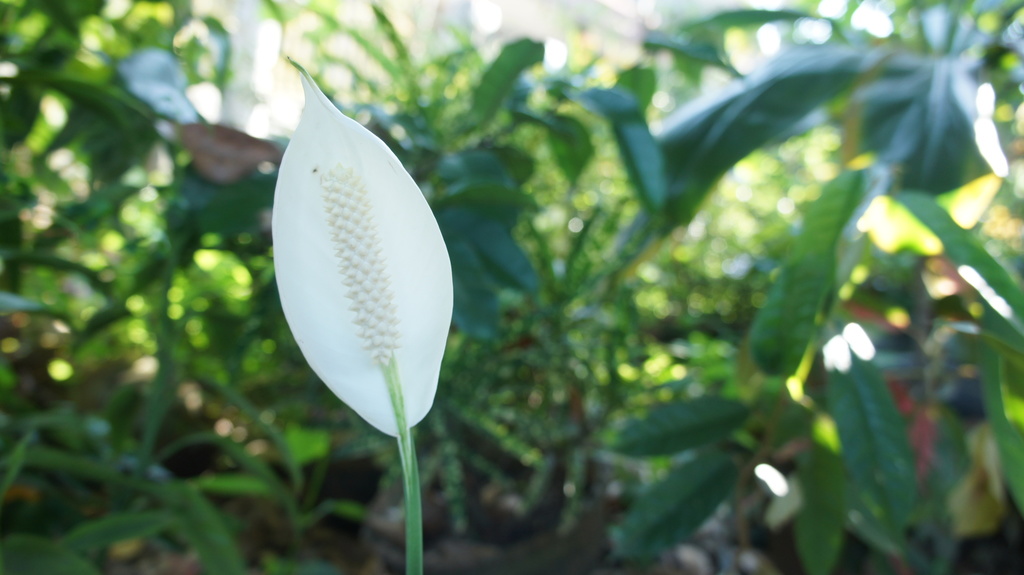
- Hojas brillantes de color verde oscuro en forma de lanza
- Espata blanca encapuchada rodeando un espádice
- Hábito de crecimiento erguido
- Venas profundamente marcadas en la superficie de la hoja
- Altura
- 0,3 a 0,6m
- Anchura
- 0,3 a 0,6m
- Hojas
- verde oscuro, perenne
- Flores
- blanco, 10 a 20cm
Problemas a vigilar
- Araña rojaComún
- Podredumbre radicularComún
- Quemadura de las puntasComún
- Moscas del mantilloPoco común
- Ácaros araña — Pequeñas plagas que causan moteado amarillo en las hojas en condiciones secas.
- Pudrición de raíz — Decaimiento fúngico causado por un suelo constantemente encharcado.
- Puntas de hoja quemadas — Bordes marrones causados por baja humedad o flúor en el agua del grifo.
Por síntoma
Revisa tu lirio de paz con una foto
Pocket Botanist mira una foto de tu planta y te dice qué le pasa y qué probar primero.
Cómo cultivarla
- Propagación
- división
- Cuándo plantar
- todo el año
- Cuidados en invierno
- Mantenga la planta alejada de corrientes de aire frío y rejillas de calefacción. Reduzca ligeramente el riego durante los meses de invierno, cuando el crecimiento se ralentiza.
- En maceta
- Prospera en contenedores y prefiere una maceta que sea solo ligeramente más grande que su cepellón.
División
- 1. Retire con cuidado la planta de su maceta.
- 2. Separe suavemente los cúmulos de raíces en secciones más pequeñas.
- 3. Asegúrese de que cada sección tenga raíces y hojas sanas.
- 4. Trasplante las divisiones a una mezcla para macetas fresca y bien drenada.
- 5. Riegue abundantemente y mantenga a la sombra.
Agrupe plantas con necesidades de humedad similares para crear un microclima húmedo localizado.
Buenas compañeras
- Potos dorado — Comparten requisitos similares de luz y agua.
- Helecho de Boston — Los helechos aprecian el mismo ambiente de alta humedad.
Especies parecidas
- Anturio — Son miembros relacionados de la familia Araceae con necesidades de cuidado similares.
Ciencia
- Familia
- Araceae
- Género
- Spathiphyllum
- Orden
- Alismatales
- Clase
- Liliopsida
- Distribución natural
- Regiones tropicales de Colombia y Venezuela.
- Conservación
- Esta especie no está actualmente amenazada en su hábitat nativo.
Crece naturalmente en el suelo del bosque, donde recibe luz filtrada y alta humedad.
- Valor para la fauna
- purificación del aire interior
- Polinizadores
- abejas
- Usos
- planta de interior, planta de oficina, purificador de aire
A lo largo del año
Indicadores ecológicos
- Salinidad
- 2/9
- Luz
- 3/9
- Humedad
- 7/9
- Reacción del suelo
- 5/9
- Temperatura
- 8/9
- Nutrientes
- 5/9
Taxonomía cotejada con GBIF.
Lo que más preguntan
- Por qué mis hojas se están volviendo marrones?
- Esto a menudo se debe a la baja humedad o al uso de agua del grifo con alto contenido mineral.
- Con qué frecuencia debo regarla?
- Riega cuando la pulgada superior de la tierra se sienta seca al tacto.
De dónde viene el nombre
El nombre Spathiphyllum proviene de las palabras griegas para espata y hoja, refiriéndose a la bráctea en forma de hoja. Comúnmente se le llama Lirio de la Paz porque la espata blanca se asemeja a una bandera blanca de tregua.
Bueno saberlo
- Es una de las pocas plantas de interior que pueden florecer de manera confiable con poca luz.
- La planta se marchitará drásticamente para indicar que necesita agua.
- Fue descubierta a finales del siglo XIX en Colombia.
También en
Que tu lirio de paz siga creciendo
Esta página es una guía general. Guarda tu planta en Pocket Botanist y tendrás recordatorios de cuidado pensados para esta planta, además de un historial de cuidados que muestra qué ha funcionado.
Esta guía se ha generado con IA y se ha cotejado con la taxonomía de GBIF. Es información general, no asesoramiento botánico ni veterinario. Descubre cómo elaboramos estas guías.