 Pocket Botanist
Guía de plantas
hierba plateada china.
Miscanthus sinensis Andersson
Pronunciación mis-KAN-thus si-NEN-sis
También se conoce como Eulalia, Miscanthus, hierba cebra


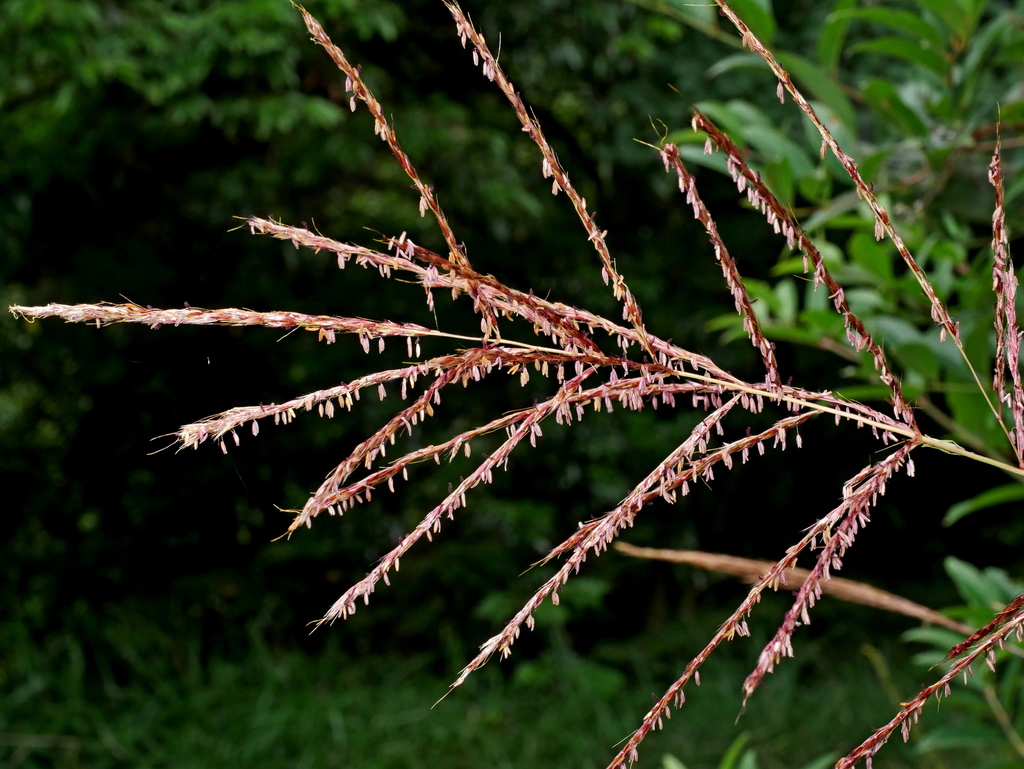
Esta elegante hierba ornamental aporta una hermosa textura y movimiento a tu jardín. Es una planta perenne que forma matas y produce espigas plumosas a finales de verano. Es una excelente opción para añadir altura e interés a los bordones.
De un vistazo
- Nivel de cuidados
- Fácil
- Tipo de planta
- Hierba perenne
- Luz
- Pleno sol
- Luz en interior
- Sol directo
- Riego
- Cada 7 a 14 días
- Tamaño adulto
- 3 a 10 pies
- Ritmo de crecimiento
- Rápido
- Rusticidad
- USDA 5 a 9
- Floración
- Finales de verano a mediados de otoño
Cuidados
Planta esta hierba en un lugar que reciba mucho sol para que se mantenga fuerte. Observa que el follaje se desvanezca a finales de invierno, esa es tu señal para podarla. Asegúrate de que el suelo drene bien para que las raíces se mantengan sanas.
- Riego
- Riega profundamente durante las sequías para que la planta luzca lo mejor posible.
- Abonado
- Aplica un fertilizante equilibrado una vez a principios de primavera, cuando comience el nuevo crecimiento.
- Poda
- Poda el follaje hasta unos pocos centímetros del suelo a finales de invierno.
- Trasplante
- Divide las matas cada pocos años para mantener la planta vigorosa.
- Suelo
- Suelo fértil y bien drenado
- pH del suelo
- 6.0 a 7.5
- Temperatura
- -25 a 35°C
- Humedad
- 40 a 70%
- Tolerancia a la sequía
- Moderada
- Longevidad
- Perenne, típicamente de 10 a 20 años.
- Resistencia a ciervos y conejos
- Alta
Señales de que necesita trasplante
- Raíces saliendo de los agujeros de drenaje
- El agua pasa directamente a través de la tierra
- El crecimiento se ralentiza significativamente
Seguridad
- Personas
- Esta planta no se considera tóxica para los humanos.
- Niños
- Los bordes afilados y serrados de las hojas pueden causar cortes similares al papel en la piel de los niños.
- Alérgenos por contacto
- Los bordes de las hojas pueden ser afilados y causar pequeñas abrasiones en la piel.
- Alérgenos en el aire
- Las plumas liberan cantidades significativas de polen a finales del verano.
- Comestibilidad
- Esta planta no está destinada al consumo humano.
Cómo identificarla
- Hojas arqueadas en forma de cuchilla
- Espigas de flores plateadas y plumosas
- Hábito de crecimiento en matas
- Las hojas se vuelven doradas en otoño
- Altura
- 1,2 a 3m
- Anchura
- 0,6 a 1,5m
- Hojas
- verde, plateado, abigarrado, caducifolio
- Flores
- plateado, rosa, blanco, cobre, 15 a 30cm
Problemas a vigilar
- RoyaComún
- Bordes marrones en las hojasPoco común
- DeshidrataciónPoco común
- Manchas foliaresPoco común
Revisa tu hierba plateada china con una foto
Pocket Botanist mira una foto de tu planta y te dice qué le pasa y qué probar primero.
Cómo cultivarla
- Propagación
- división, semilla
- Cuándo plantar
- primavera, otoño
- Cuidados en invierno
- Deja el follaje erguido durante el invierno para proteger la corona y proporcionar interés al jardín. Poda toda la planta hasta unos 15 centímetros a finales de invierno.
- En maceta
- Crece bien en macetas grandes, pero asegúrate de que la maceta tenga al menos 50 centímetros de ancho para acomodar el sistema radicular.
División
- Desentierra todo el cepellón a principios de primavera.
- Usa una pala afilada para cortar el cepellón en secciones más pequeñas.
- Asegúrate de que cada sección tenga raíces sanas y nuevos brotes.
- Replanta inmediatamente en tierra preparada.
Combina esta hierba con plantas perennes de floración tardía para mantener el interés visual durante los meses de otoño.
Buenas compañeras
- Equinácea morada — Las audaces cabezas de flores contrastan maravillosamente con la fina textura de la hierba.
- Planta de hielo — Estos proporcionan color de fin de temporada que complementa las plumas emergentes de la hierba.
- Salvia yangii — Las etéreas flores azules lucen impresionantes contra las altas y arqueadas briznas de la hierba.
Especies parecidas
- Hierba de pantano — Una alternativa nativa que ofrece altura y estructura invernal similares.
- Feather reed grass — Proporciona una forma más vertical y erguida para espacios de jardín más pequeños.
Ciencia
- Familia
- Poaceae
- Género
- Miscanthus
- Orden
- Poales
- Clase
- Liliopsida
- Distribución natural
- Asia oriental, incluyendo China, Japón y Corea.
- Conservación
- Se considera invasora en varias regiones de América del Norte, así que verifica las regulaciones locales antes de plantar.
Prospera en hábitats abiertos y soleados donde puede establecer rápidamente matas grandes y densas que superan a la vegetación más pequeña.
- Valor para la fauna
- material de anidación, refugio invernal
- Polinizadores
- abejas, mariposas
- Usos
- hierba ornamental, pantalla de privacidad, arreglos secos, interés invernal
A lo largo del año
Indicadores ecológicos
- Salinidad
- 2/9
- Humedad
- 5/9
- Reacción del suelo
- 5/9
- Luz
- 7/9
- Temperatura
- 6/9
- Nutrientes
- 4/9
Taxonomía cotejada con GBIF.
Lo que más preguntan
- ¿Cuándo debo podarlo?
- Espera hasta finales del invierno o principios de la primavera, antes de que emerja el nuevo crecimiento.
- ¿Necesita pleno sol?
- Sí, su mejor rendimiento se obtiene con al menos seis horas de luz solar directa al día.
De dónde viene el nombre
El nombre Miscanthus deriva de las palabras griegas mischos, que significa tallo, y anthos, que significa flor. Sinensis indica su origen en China.
Bueno saberlo
- Comúnmente se le conoce como Pasto de Doncella.
- El nombre del género proviene de las palabras griegas para tallo y flor.
- Es una opción popular para diseños de paisajes modernos.
También en
Que tu hierba plateada china siga creciendo
Esta página es una guía general. Guarda tu planta en Pocket Botanist y tendrás recordatorios de cuidado pensados para esta planta, además de un historial de cuidados que muestra qué ha funcionado.
Esta guía se ha generado con IA y se ha cotejado con la taxonomía de GBIF. Es información general, no asesoramiento botánico ni veterinario. Descubre cómo elaboramos estas guías.