 Pocket Botanist
Guía de plantas
Great Willowherb.
Epilobium hirsutum
Pronunciación eh-pi-LOH-bee-um HER-soo-tum
También se conoce como Codlins And Cream, Epilobio peludo


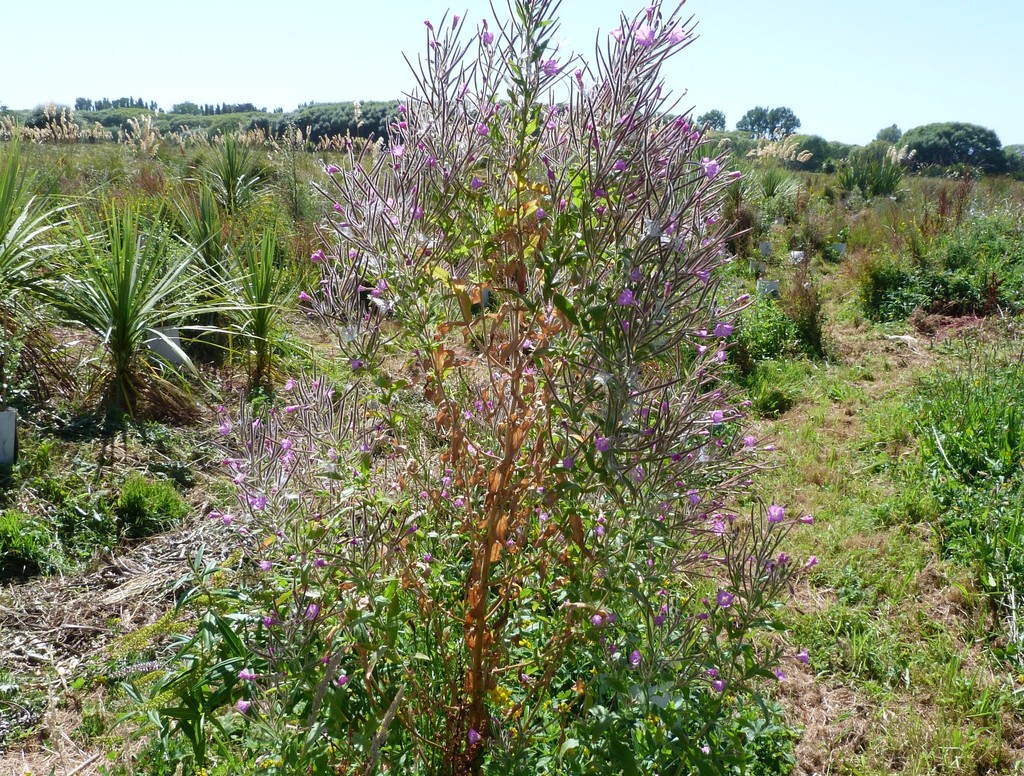
El epilobio es una planta perenne vigorosa que a menudo se encuentra cerca del agua. Produce tallos altos y peludos rematados con flores rosas vibrantes. Es una opción fantástica para naturalizar en zonas húmedas de tu jardín.
De un vistazo
- Nivel de cuidados
- Fácil
- Tipo de planta
- Perenne
- Luz
- Pleno sol a sombra parcial
- Luz en interior
- Luz indirecta brillante
- Riego
- Cada 1 a 3 días
- Tamaño adulto
- Hasta 150 cm de altura
- Ritmo de crecimiento
- Rápido
- Rusticidad
- USDA 4 a 9
- Floración
- Mediados a finales de verano
Cuidados
Mantén la tierra constantemente húmeda, ya que esta planta prospera en condiciones de humedad. Vigila los pulgones durante la temporada de crecimiento y poda los tallos muertos a finales de otoño. Se propaga fácilmente, así que considera bien su ubicación para evitar que se apodere del espacio.
- Riego
- Mantén la tierra constantemente húmeda, sin dejar que se seque por completo.
- Abonado
- Aplica un fertilizante líquido equilibrado una vez durante la primavera si la tierra es pobre.
- Poda
- Poda la planta hasta el suelo a finales de otoño, después de que el follaje se haya marchitado.
- Trasplante
- Trasplanta solo si la planta se queda sin espacio en la maceta.
- Suelo
- Suelo húmedo, pesado o pantanoso
- pH del suelo
- Neutro a ligeramente alcalino
- Temperatura
- -20 a 30°C
- Humedad
- 60 a 90%
- Tolerancia a la sequía
- Baja
- Longevidad
- Perenne, típicamente de 5 a 10 años
- Resistencia a ciervos y conejos
- Moderada
Señales de que necesita trasplante
- Raíces que crecen por los agujeros de drenaje.
- Crecimiento atrofiado a pesar de la humedad adecuada.
Seguridad
- Personas
- La planta generalmente se considera no tóxica, pero no está destinada al consumo humano.
- Mascotas
- No se sabe que esta planta sea tóxica para gatos o perros.
- Niños
- La planta no es peligrosa, pero los finos pelos pueden causar un picor menor si los niños la manipulan.
- Alérgenos por contacto
- Los finos pelos del follaje pueden causar una leve irritación de la piel en personas sensibles.
- Alérgenos en el aire
- Las semillas dispersadas por el viento tienen finos mechones blancos que pueden causar una irritación respiratoria menor si se inhalan en grandes cantidades.
- Comestibilidad
- Aunque no es muy tóxica, no se considera una fuente de alimento estándar y debe evitarse.
Cómo identificarla
- Tallos altos, peludos y ramificados
- Hojas opuestas, lanceoladas y aserradas
- Flores rosas grandes de cuatro pétalos
- Cápsulas de semillas largas y delgadas, parecidas a vainas
- Altura
- 1 a 2m
- Anchura
- 0,6 a 1,2m
- Hojas
- verde, caducifolio
- Flores
- rosa, magenta, 2 a 3cm
- Frutos
- marrón, Otoño
Problemas a vigilar
- OídioComún
- RoyaComún
- Podredumbre radicularPoco común
- PulgonesPoco común
- Roña — Infección fúngica que causa pústulas de color naranja o marrón en el envés de las hojas.
Por síntoma
Revisa tu great willowherb con una foto
Pocket Botanist mira una foto de tu planta y te dice qué le pasa y qué probar primero.
Cómo cultivarla
- Propagación
- división, semilla
- Cuándo plantar
- Primavera, Otoño
- Cuidados en invierno
- El follaje se marchitará por completo en invierno. Simplemente corta los tallos secos a ras de suelo a finales de otoño o principios de primavera.
- En maceta
- No es muy adecuada para contenedores debido a su agresivo hábito de crecimiento rizomatoso.
División
- 1. Desentierra el cepellón a principios de primavera.
- 2. Usa una pala afilada para dividir los rizomas.
- 3. Replanta las secciones inmediatamente en tierra húmeda.
Semilla
- 1. Recoge las semillas a finales de otoño.
- 2. Siembra directamente en tierra húmeda al aire libre.
- 3. Mantén el área constantemente húmeda hasta la germinación.
Agrupa esta planta con otras especies amantes de la humedad para crear un borde equilibrado en humedales.
Buenas compañeras
- salicaria morada — Comparten requisitos de humedad similares y épocas de floración en entornos de humedales.
- Caltha palustris — Esta planta proporciona color a principios de temporada antes de que la adelfilla oprimula ocupe el espacio.
Especies parecidas
- Epilobio — Es una especie relacionada que también produce vistosas flores rosas, pero prefiere sitios más secos.
Ciencia
- Familia
- Onagraceae
- Género
- Epilobium
- Orden
- Myrtales
- Clase
- Magnoliopsida
- Distribución natural
- Europa, Asia y partes del norte de África.
- Conservación
- Es una especie común y extendida que actualmente no está bajo preocupación de conservación.
Coloniza naturalmente las orillas de los arroyos, marismas y zanjas húmedas, donde compite bien en hábitats abiertos y húmedos.
- Valor para la fauna
- fuente de néctar, planta huésped larval
- Polinizadores
- abejas, mariposas, polillas
- Usos
- restauración de humedales, jardines para polinizadores, hábitat para la vida silvestre
A lo largo del año
Indicadores ecológicos
- Reacción del suelo
- 6/9
- Luz
- 7/9
- Temperatura
- 5/9
- Humedad
- 8/9
- Nutrientes
- 6/9
- Salinidad
- 1/9
Taxonomía cotejada con GBIF.
Lo que más preguntan
- ¿Es invasiva?
- Puede ser bastante vigorosa y extenderse rápidamente en condiciones de jardín húmedo.
- ¿Necesita mucha agua?
- Sí, prospera en suelos constantemente húmedos o pantanosos.
De dónde viene el nombre
El nombre Epilobium proviene de las palabras griegas 'epi' que significa 'sobre' y 'lobos' que significa 'vaina', refiriéndose a la flor que se asienta sobre la vaina de la semilla. Hirsutum se refiere a la textura vellosa de la planta.
Bueno saberlo
- Se propaga agresivamente a través de rizomas subterráneos y semillas dispersadas por el viento.
- Es un colonizador clásico de terrenos húmedos y alterados.
- Las flores están perfectamente adaptadas para la polinización por abejas y polillas.
Que tu great willowherb siga creciendo
Esta página es una guía general. Guarda tu planta en Pocket Botanist y tendrás recordatorios de cuidado pensados para esta planta, además de un historial de cuidados que muestra qué ha funcionado.
Esta guía se ha generado con IA y se ha cotejado con la taxonomía de GBIF. Es información general, no asesoramiento botánico ni veterinario. Descubre cómo elaboramos estas guías.