 Pocket Botanist
Guía de plantas
Melon.
Cucumis melo
Pronunciación KYOO-kuh-miss MEE-loh
También se conoce como Cantaloupe, Hami melon, Melon, Melons, Oriental melon, Rock melon, honeydew


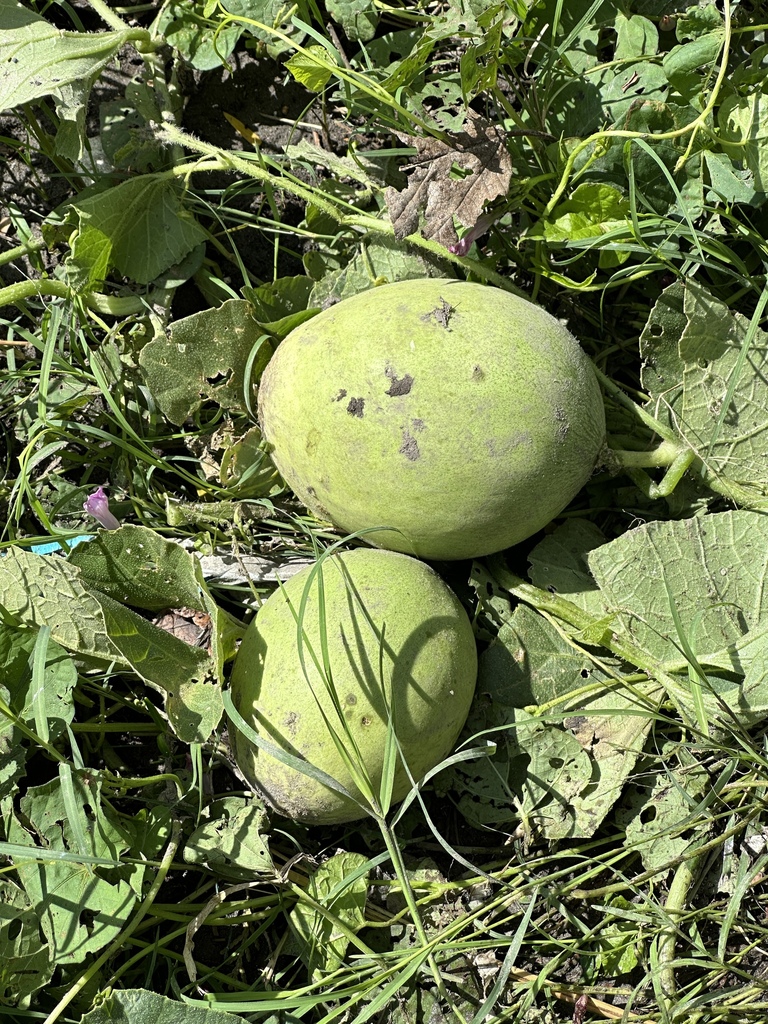
Melons are vining plants that thrive in warm, sunny gardens during the summer months. They produce sweet, juicy fruits that are a favorite for home gardeners. You will need plenty of space for these sprawling vines to grow.

De un vistazo
- Nivel de cuidados
- Media
- Tipo de planta
- Annual vegetable
- Luz
- Full sun
- Luz en interior
- Sol directo
- Riego
- Cada 2 a 4 días
- Tamaño adulto
- 6 to 10 feet long
- Ritmo de crecimiento
- Rápido
- Rusticidad
- USDA 9 a 11
- Floración
- Mid to late summer
Cuidados
Provide consistent moisture and plenty of heat to encourage fruit development. Watch for powdery mildew on the leaves and harvest when the fruit stem slips easily from the vine. Ensure the soil is rich and well drained for the best results.
- Riego
- Keep the soil consistently moist but not waterlogged, especially while the fruit is developing.
- Abonado
- Apply a balanced fertilizer once the vines begin to run and flowers appear.
- Poda
- Pinch back the tips of the vines to encourage branching and fruit production.
- Trasplante
- Melons are annuals and are typically grown directly in the garden soil.
- Suelo
- Rich, well draining sandy loam
- pH del suelo
- 6.0 to 6.8
- Temperatura
- 15 a 35°C
- Humedad
- 40 a 70%
- Tolerancia a la sequía
- Baja
- Longevidad
- Annual, typically 1 season
- Fragancia
- Intensa
- Resistencia a ciervos y conejos
- Baja
Señales de que necesita trasplante
- Roots circling the bottom of the container
- Stunted growth despite regular feeding
Seguridad
- Personas
- The plant is generally non-toxic, though the seeds and rind are not typically consumed.
- Niños
- The large seeds pose a minor choking hazard to small children if ingested raw.
- Alérgenos por contacto
- Handling the fuzzy stems and leaves may cause mild skin irritation in sensitive individuals.
- Alérgenos en el aire
- Pollen from the flowers can trigger seasonal allergies in susceptible people.
- Comestibilidad
- Ensure fruit is fully ripe before consumption to avoid potential digestive upset from immature flesh.
Cómo identificarla
- Large, lobed, fuzzy green leaves
- Yellow, funnel shaped flowers
- Vining growth habit
- Large, fleshy, edible fruits
- Altura
- 0,15 a 0,3m
- Anchura
- 1,5 a 3m
- Hojas
- green, deciduous
- Flores
- yellow, 2 a 4cm
- Frutos
- tan, green, yellow, Late summer to early autumn
Problemas frecuentes
- Powdery Mildew — A fungal infection that appears as white dusty spots on leaves.
- Cucumber Beetle — Small striped or spotted beetles that feed on foliage and spread bacterial wilt.
Cómo cultivarla
- Propagación
- seed
- Cuándo plantar
- spring
- Cuidados en invierno
- This plant is an annual and will die with the first frost, so it does not require overwintering.
- En maceta
- They can grow in large containers of at least 20 liters, provided they have a sturdy trellis for support.
Seed Sowing
- 1. Start seeds indoors 3 to 4 weeks before the last frost date.
- 2. Use biodegradable pots to minimize root disturbance during transplanting.
- 3. Plant seeds 2 centimeters deep in warm, moist soil.
- 4. Move seedlings outdoors only after all danger of frost has passed.
- 5. Space plants at least 1 meter apart to ensure good airflow.
Planting aromatic herbs like dill or oregano nearby can help mask the scent of the vines from hungry beetles.
Buenas compañeras
- Radish — Radishes can help deter cucumber beetles when planted nearby.
- Capuchina Común — These flowers act as a trap crop for pests and attract beneficial pollinators.
- Maíz — Corn provides a natural trellis for vining melons to climb.
Mantenla lejos de
- Potato — Potatoes compete for nutrients and can harbor similar soil pathogens.
Especies parecidas
- Watermelon — Another popular vining fruit in the same family that requires similar growing conditions.
- pepino — A close relative that shares similar growth habits and pest vulnerabilities.
Ciencia
- Familia
- Cucurbitaceae
- Género
- Cucumis
- Orden
- Cucurbitales
- Clase
- Magnoliopsida
- Distribución natural
- Africa and Southwest Asia
- Conservación
- Not of conservation concern as it is a widely cultivated agricultural crop.
It thrives in warm, sunny environments with well drained soil and relies on insect pollinators to set fruit.
- Valor para la fauna
- nectar source
- Polinizadores
- abejas, mariposas
- Usos
- culinary fruit, summer garden crop
A lo largo del año
Indicadores ecológicos
- Salinidad
- 2/9
- Reacción del suelo
- 6/9
- Luz
- 8/9
- Temperatura
- 8/9
- Humedad
- 6/9
- Nutrientes
- 7/9
Taxonomía cotejada con GBIF.
Lo que más preguntan
- How do I know when a melon is ripe?
- The stem will usually slip away from the fruit with gentle pressure when it is ready.
- Do they need a lot of water?
- They need consistent moisture while growing, but you should reduce watering as the fruit ripens to improve flavor.
De dónde viene el nombre
The genus name Cucumis is the classical Latin term for cucumber, while melo is derived from the Greek word for apple or melon.
Bueno saberlo
- Melons were first cultivated in ancient Egypt and Iran.
- They require plenty of sun and heat to develop their signature sweetness.
- The fruit is technically a pepo, a type of berry with a hard rind.
¿Tu melon tiene mal aspecto?
Esta página es una guía general. Pocket Botanist diagnostica problemas a partir de una foto de tu propia planta, calcula el riego según tu luz y tus condiciones, y te avisa cuando toca cuidarla.
Esta guía se ha generado con IA y se ha cotejado con la taxonomía de GBIF. Es información general, no asesoramiento botánico ni veterinario. Descubre cómo elaboramos estas guías.