 Pocket Botanist
Guía de plantas
Arándano cotoneaster.
Cotoneaster dammeri
Pronunciación koh-toh-nee-AS-ter DAM-mer-eye
También se conoce como Arándano cotoneaster



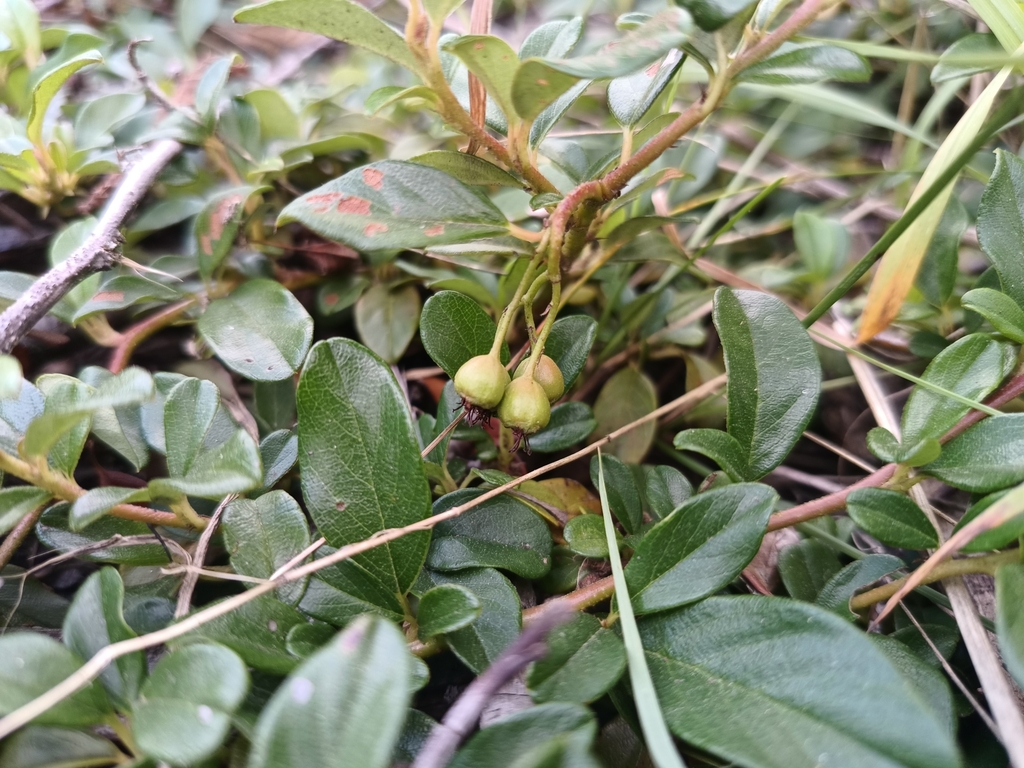
Este arbusto resistente y de bajo crecimiento es una opción fantástica para cubrir el suelo. Permanece perenne en muchos climas y produce encantadoras flores blancas seguidas de bayas de color rojo brillante. Verás que es bastante resistente y se adapta bien a diversas condiciones de jardín.
De un vistazo
- Nivel de cuidados
- Fácil
- Tipo de planta
- Arbusto perenne
- Luz
- Pleno sol a sombra parcial
- Luz en interior
- Luz indirecta brillante
- Riego
- Cada 7 a 14 días
- Tamaño adulto
- 1 a 2 pies de alto, 6 pies de ancho
- Ritmo de crecimiento
- Medio
- Rusticidad
- USDA 5 a 8
- Floración
- Finales de primavera a principios de verano
Cuidados
Planta este arbusto en tierra que drene bien y asegúrate de que reciba mucha luz solar para fomentar la mejor producción de bayas. Mantente atento a las manchas foliares o las cochinillas, que ocasionalmente pueden afectar el follaje. Poda cualquier tallo rebelde después de que las bayas hayan caído para mantener la forma ordenada.
- Riego
- Riega profundamente una vez que la pulgada superior de la tierra se sienta seca al tacto.
- Abonado
- Aplica un fertilizante equilibrado de liberación lenta una vez a principios de primavera.
- Poda
- Poda los tallos largos o dañados a finales de invierno o principios de primavera.
- Trasplante
- Trasplanta solo si la planta tiene las raíces apretadas en su contenedor.
- Suelo
- Suelo franco que drene bien
- pH del suelo
- 6.0 a 7.5
- Temperatura
- -25 a 35°C
- Humedad
- 40 a 70%
- Tolerancia a la sequía
- Moderada
- Longevidad
- Perenne, típicamente de 15 a 25 años
- Resistencia a ciervos y conejos
- Moderada
Señales de que necesita trasplante
- Raíces creciendo por los agujeros de drenaje
- El agua pasa directamente a través de la maceta sin empaparse
- Crecimiento atrofiado durante la temporada activa
Seguridad
- Personas
- Todas las partes de la planta contienen glucósidos cianogénicos que pueden ser perjudiciales si se ingieren en grandes cantidades.
- Mascotas
- Las bayas pueden causar malestar gastrointestinal leve si son ingeridas por gatos o perros.
- Niños
- Las bayas de color rojo brillante pueden ser tentadoras para los niños pequeños y deben mantenerse fuera de su alcance para evitar la ingestión.
- Alérgenos por contacto
- Manipular el follaje puede causar una leve irritación en la piel en personas sensibles.
- Alérgenos en el aire
- El polen puede causar reacciones leves en personas propensas a las alergias estacionales.
- Comestibilidad
- Las bayas generalmente se consideran no comestibles y pueden causar malestar estomacal si se consumen.
Cómo identificarla
- Hábito de crecimiento rastrero, forma de estera
- Hojas pequeñas, coriáceas, de color verde oscuro
- Flores diminutas blancas o rosadas
- Bayas rojas brillantes y persistentes
- Tallos rastreros y leñosos
- Altura
- 0,1 a 0,3m
- Anchura
- 1 a 2m
- Hojas
- verde oscuro, perenne
- Flores
- blanco, 0,5 a 1cm
- Frutos
- rojo, Otoño a invierno
Problemas a vigilar
- CochinillasComún
- Fuego bacterianoComún
- Podredumbre radicularPoco común
- PulgonesPoco común
- Tizón de fuego — Una infección bacteriana que hace que las ramas parezcan quemadas y mueran.
Revisa tu arándano cotoneaster con una foto
Pocket Botanist mira una foto de tu planta y te dice qué le pasa y qué probar primero.
Cómo cultivarla
- Propagación
- esqujes, acodo, semilla
- Cuándo plantar
- primavera, otoño
- Cuidados en invierno
- Es resistente y no requiere protección especial en la mayoría de los climas. Asegúrate de que el suelo permanezca bien drenado para prevenir la pudrición de raíces en invierno.
- En maceta
- Crece bien en macetas grandes y anchas, pero asegúrate de que la maceta tenga un excelente drenaje para prevenir la pudrición de las raíces.
Esqujes de madera semidura
- 1. Toma esquejes de 10 cm a finales de verano.
- 2. Retira las hojas inferiores.
- 3. Sumerge en hormona de enraizamiento.
- 4. Coloca en tierra húmeda y arenosa.
- 5. Mantén en un lugar luminoso y protegido hasta que enraíce.
Combina esta planta con arbustos más altos y erguidos para crear un aspecto en capas que oculte los tallos desnudos de las plantas más grandes.
Buenas compañeras
- Juniperus — Comparten requisitos de suelo y luz similares, al tiempo que proporcionan texturas contrastantes.
- Lirio de día — El follaje erguido de las hemerocallis complementa el hábito bajo y extendido del cotoneaster.
Especies parecidas
- Cotoneaster horizontalis — Tiene un hábito de propagación similar pero con un patrón de ramificación distintivo en espiga.
Ciencia
- Familia
- Rosaceae
- Género
- Cotoneaster
- Orden
- Rosales
- Clase
- Magnoliopsida
- Distribución natural
- China central
- Conservación
- Esta especie no es de preocupación para la conservación y se cultiva ampliamente.
Crece como un arbusto postrado en áreas rocosas y montañosas donde estabiliza el suelo.
- Valor para la fauna
- fuente de néctar, alimento de invierno para pájaros
- Polinizadores
- abejas, mariposas
- Usos
- cubresuelos, control de la erosión, jardines de rocas, estabilización de taludes
A lo largo del año
Indicadores ecológicos
- Salinidad
- 2/9
- Reacción del suelo
- 6/9
- Luz
- 7/9
- Temperatura
- 5/9
- Humedad
- 5/9
- Nutrientes
- 4/9
Taxonomía cotejada con GBIF.
Lo que más preguntan
- ¿Es resistente a los ciervos?
- Sí, generalmente tiene una resistencia moderada al ramoneo de ciervos.
- ¿Necesita poda?
- Rara vez se necesita podar, pero puedes recortarla a finales de invierno para mantener su forma.
De dónde viene el nombre
El nombre se refiere al parecido del follaje con el del membrillero, mientras que dammeri honra al coleccionista U. Dammer.
Bueno saberlo
- El nombre Cotoneaster proviene del latín cotoneum que significa membrillo y aster que significa parecido.
- Es originario de China central.
- Sus tallos rastreros pueden enraizar dondequiera que toquen el suelo, ayudando a la planta a extenderse.
También en
Que tu arándano cotoneaster siga creciendo
Esta página es una guía general. Guarda tu planta en Pocket Botanist y tendrás recordatorios de cuidado pensados para esta planta, además de un historial de cuidados que muestra qué ha funcionado.
Esta guía se ha generado con IA y se ha cotejado con la taxonomía de GBIF. Es información general, no asesoramiento botánico ni veterinario. Descubre cómo elaboramos estas guías.