 Pocket Botanist
Guía de plantas
Job's tears.
Coix lacryma-jobi
Pronunciación KO-iks lak-RY-muh JO-bee
También se conoce como Jacob's Tears, Job's Tear, Job's Tears, Job's-tears, adlay, adlay millet


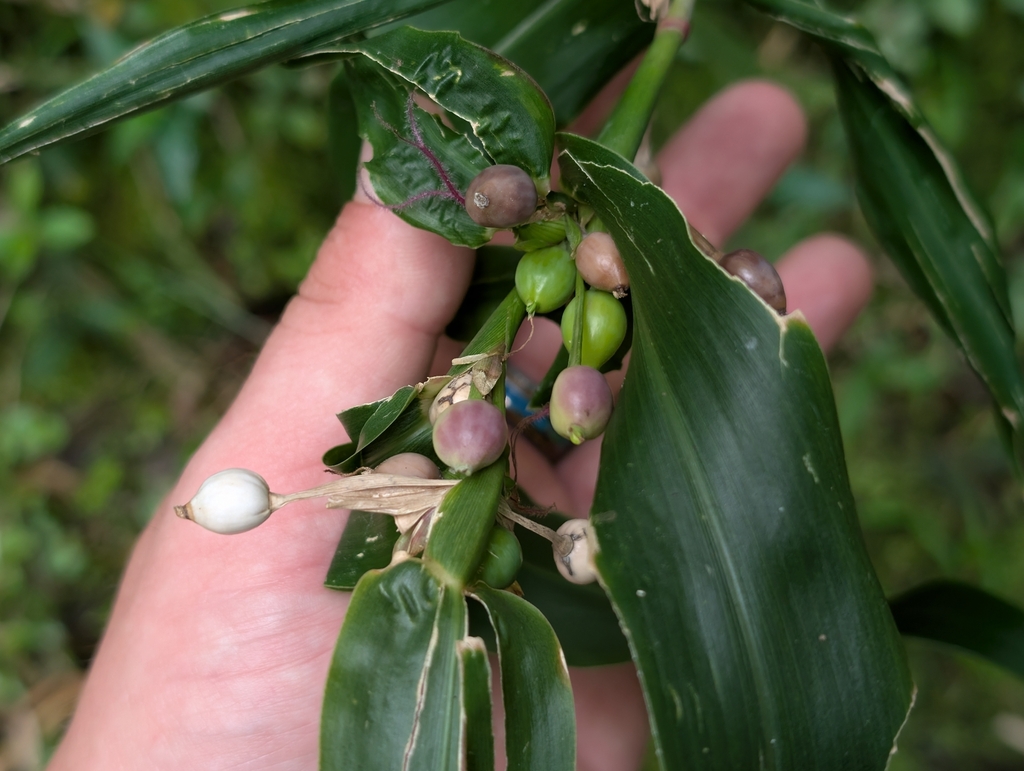
Job's tears is a unique tropical grass known for its hard, bead like seeds. It grows quickly and adds a lovely texture to gardens or containers. You will love how the pearl like grains develop as the plant matures.
De un vistazo
- Nivel de cuidados
- Fácil
- Tipo de planta
- Annual grass
- Luz
- Full sun to partial shade
- Luz en interior
- Luz indirecta brillante
- Riego
- Cada 2 a 4 días
- Tamaño adulto
- 3 to 6 feet
- Ritmo de crecimiento
- Rápido
- Rusticidad
- USDA 9 a 11
- Floración
- Mid to late summer
Cuidados
Keep the soil consistently moist because this plant loves water. Watch for yellowing leaves which often signal that the soil has dried out too much. Ensure it gets plenty of warmth to thrive.
- Riego
- Keep the soil damp at all times as this plant is semi aquatic.
- Abonado
- Feed with a balanced liquid fertilizer once a month during the growing season.
- Poda
- Trim back dead or damaged foliage to keep the plant looking tidy.
- Trasplante
- Since it is typically grown as an annual, you usually do not need to repot it.
- Suelo
- Rich, loamy, moisture retentive soil
- pH del suelo
- 6.0 to 7.5
- Temperatura
- 10 a 35°C
- Humedad
- 60 a 90%
- Tolerancia a la sequía
- Baja
- Longevidad
- Tender perennial, typically 1 to 3 years
- Resistencia a ciervos y conejos
- Moderada
Señales de que necesita trasplante
- Roots growing out of the drainage holes
- Water running straight through the pot without soaking in
Seguridad
- Personas
- The plant is generally considered non-toxic, but the seeds are extremely hard and pose a choking hazard.
- Niños
- The hard, bead-like seeds are a significant choking hazard for small children.
- Alérgenos por contacto
- The leaves have sharp, serrated edges that can cause minor skin abrasions.
- Alérgenos en el aire
- The pollen may cause mild seasonal allergies in sensitive individuals.
- Comestibilidad
- The hard outer shell of the seed must be removed before consumption to avoid dental damage.
Cómo identificarla
- Broad, lance shaped green leaves
- Hard, shiny, tear shaped seeds
- Tall, clumping grass habit
- Sturdy, bamboo like stems
- Altura
- 1 a 2m
- Anchura
- 0,6 a 1m
- Hojas
- green, deciduous
- Flores
- white, green, 0,5 a 1cm
- Frutos
- white, grey, blue, Autumn
Problemas frecuentes
- Aphids — Small insects that cluster on new growth and suck plant sap.
- Rust — Fungal infection causing orange or brown spots on the foliage.
Cómo cultivarla
- Propagación
- seed
- Cuándo plantar
- Spring
- Cuidados en invierno
- In cold climates, treat as an annual and compost after the first frost. If in a pot, move to a frost-free area and keep the soil barely moist.
- En maceta
- It grows well in large pots of at least 30 centimeters in diameter, provided you keep the soil very wet.
Seed
- Soak seeds in warm water for 24 hours to soften the hard shell.
- Plant seeds 1 centimeter deep in moist, rich potting soil.
- Maintain a temperature of 20 to 25 Celsius until germination occurs.
- Transplant outdoors once all danger of frost has passed.
Group this grass with other moisture-loving plants to maintain a consistent microclimate.
Buenas compañeras
- Lirio de Canna — They share similar moisture requirements and create a lush tropical look.
- Taro — Both plants thrive in wet, high-humidity environments.
Especies parecidas
- Maíz — They are both members of the grass family with similar growth habits.
Ciencia
- Familia
- Poaceae
- Género
- Coix
- Orden
- Poales
- Clase
- Liliopsida
- Distribución natural
- Tropical Asia
- Conservación
- This species is widely naturalized and not of conservation concern.
It naturally inhabits marshy areas and stream banks where it can access constant moisture.
- Valor para la fauna
- seeds provide food for birds
- Polinizadores
- abejas, mariposas
- Usos
- ornamental grass, jewelry making, culinary grain, traditional medicine
A lo largo del año
Indicadores ecológicos
- Salinidad
- 2/9
- Reacción del suelo
- 6/9
- Luz
- 7/9
- Temperatura
- 8/9
- Humedad
- 8/9
- Nutrientes
- 6/9
Taxonomía cotejada con GBIF.
Lo que más preguntan
- Can I grow this in a pot?
- Yes, it grows well in large containers if kept consistently moist.
- Is it an annual or perennial?
- It is a tender perennial often grown as an annual in cooler climates.
De dónde viene el nombre
The genus name Coix is an ancient Greek term for a type of palm, while the specific epithet lacryma-jobi translates to Job's tears.
Bueno saberlo
- It is often called Job's Tears because the seeds resemble teardrops.
- The seeds are used in some cultures to make tea or porridge.
- It thrives in wet, boggy soil where other grasses might struggle.
¿Tu job's tears tiene mal aspecto?
Esta página es una guía general. Pocket Botanist diagnostica problemas a partir de una foto de tu propia planta, calcula el riego según tu luz y tus condiciones, y te avisa cuando toca cuidarla.
Esta guía se ha generado con IA y se ha cotejado con la taxonomía de GBIF. Es información general, no asesoramiento botánico ni veterinario. Descubre cómo elaboramos estas guías.