 Pocket Botanist
Guía de plantas
American bush violet.
Browallia americana
Pronunciación bro-WAL-ee-uh uh-mer-ih-KAY-nuh
También se conoce como forget-me-not jamaicano


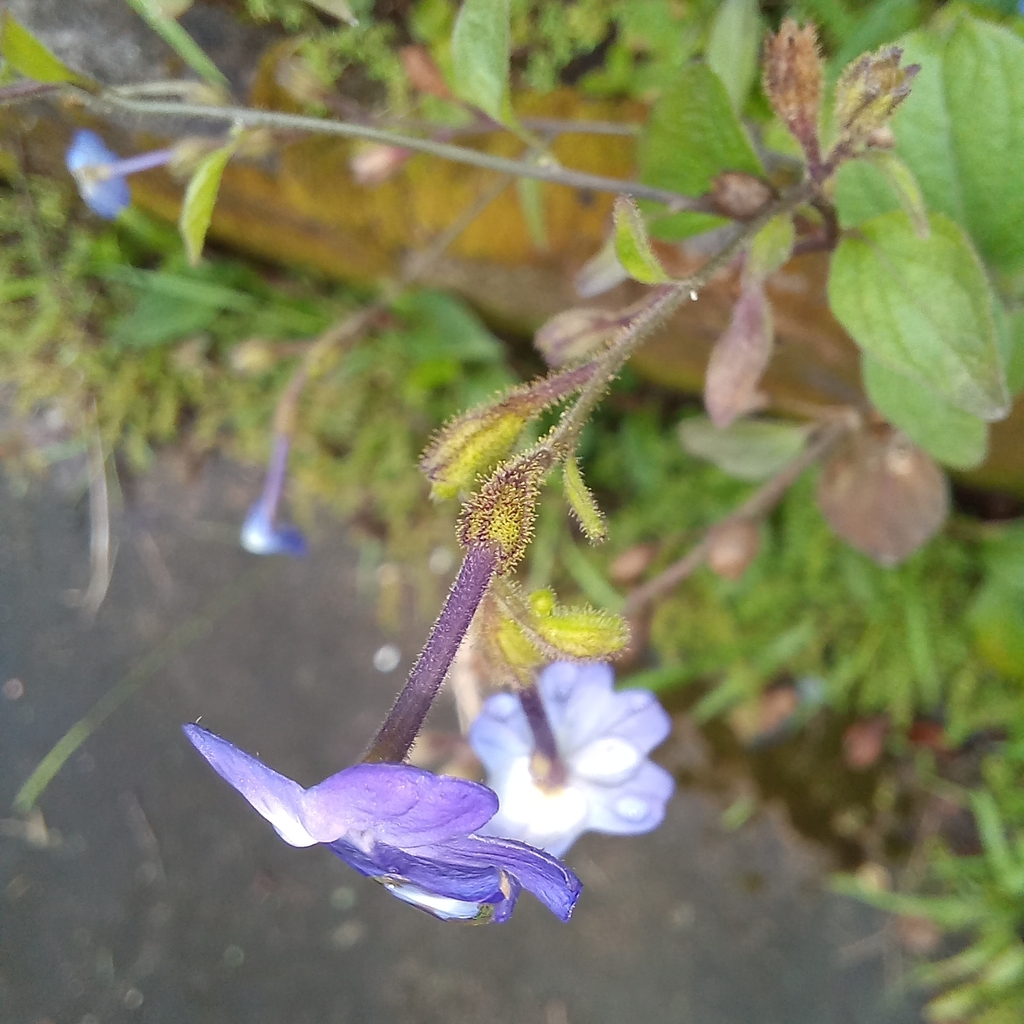
Browallia americana es una encantadora planta anual que aporta un toque de color a los rincones sombreados del jardín. Produce preciosas flores en forma de estrella durante los meses más cálidos. Verás que prospera mejor si se mantiene constantemente húmeda y protegida del sol intenso de la tarde.
De un vistazo
- Nivel de cuidados
- Media
- Tipo de planta
- Anual
- Luz
- Sombra parcial a sombra total
- Luz en interior
- Luz indirecta brillante
- Riego
- Cada 2 a 4 días
- Tamaño adulto
- 45 a 60 cm
- Ritmo de crecimiento
- Rápido
- Rusticidad
- USDA 9 a 11
- Floración
- Verano a principios de otoño
Cuidados
Mantén la tierra uniformemente húmeda pero no encharcada para fomentar una floración continua. Estate atento a la marchitez como señal de sed, y pellizca los tallos para promover una forma más frondosa. Asegura una buena circulación de aire para prevenir problemas fúngicos en condiciones de humedad.
- Riego
- Mantén la tierra constantemente húmeda, pero nunca empapada.
- Abonado
- Usa un fertilizante líquido equilibrado cada dos semanas durante la temporada de crecimiento.
- Poda
- Pellizca las puntas de los tallos para fomentar una planta más llena y frondosa.
- Trasplante
- Como planta anual, normalmente se desecha después de una temporada.
- Suelo
- Suelo bien drenado, fértil y franco
- pH del suelo
- 6.0 a 7.0
- Temperatura
- 10 a 30°C
- Humedad
- 40 a 70%
- Tolerancia a la sequía
- Baja
- Longevidad
- Anual, típicamente una temporada de crecimiento.
- Resistencia a ciervos y conejos
- Moderada
Señales de que necesita trasplante
- Raíces que crecen por los agujeros de drenaje.
- El agua pasa directamente a través de la tierra sin empaparse.
Seguridad
- Personas
- La planta contiene alcaloides que pueden ser tóxicos si se ingieren en grandes cantidades.
- Mascotas
- Esta planta generalmente se considera no tóxica para gatos y perros.
- Niños
- Mantenga esta planta fuera del alcance de los niños pequeños para evitar la ingestión accidental.
- Alérgenos por contacto
- Manipular el follaje puede causar irritación leve de la piel en personas sensibles.
- Alérgenos en el aire
- No hay informes significativos de alergias respiratorias asociadas con esta planta.
- Comestibilidad
- Esta planta no está destinada al consumo y puede causar malestar digestivo si se ingiere.
Cómo identificarla
- Flores en forma de estrella, azules o violetas
- Hojas ovaladas de color verde brillante
- Tallos delgados y ramificados
- Base tubular pequeña de la flor
- Altura
- 0,3 a 0,6m
- Anchura
- 0,2 a 0,4m
- Hojas
- verde, caduco
- Flores
- azul, violeta, blanco, 2 a 3cm
Problemas a vigilar
- Mosca blancaComún
- PulgonesComún
- Podredumbre grisPoco común
- Podredumbre radicularPoco común
- moscas blancas — Diminutos insectos blancos que se congregan en el envés de las hojas.
Por síntoma
Revisa tu american bush violet con una foto
Pocket Botanist mira una foto de tu planta y te dice qué le pasa y qué probar primero.
Cómo cultivarla
- Propagación
- semilla
- Cuándo plantar
- primavera
- Cuidados en invierno
- En climas más fríos, trata esta planta como anual y deséchala después de la primera helada. Si deseas conservarla, llévala al interior antes de que las temperaturas bajen de 10 Celsius.
- En maceta
- Es excelente para macetas y cestas colgantes, necesitando al menos una maceta de 15 cm.
Semilla
- Siembra las semillas en interior de 8 a 10 semanas antes de la última helada.
- Presiona las semillas en una mezcla húmeda para iniciar semillas sin cubrirlas.
- Mantén el recipiente caliente y con luz brillante hasta la germinación.
- Trasplanta las plántulas al exterior una vez que haya pasado todo peligro de helada.
Combina con otras plantas anuales amantes de la sombra para crear un aspecto exuberante y en capas en macetas.
Buenas compañeras
- Busy Lizzie — Comparten requisitos de luz y humedad similares para lugares sombreados.
- Coleo — Los colores del follaje proporcionan un buen contraste con las flores azules.
Especies parecidas
- Browallia speciosa — Es una pariente más grande y cultivada comúnmente con flores más vistosas.
Ciencia
- Familia
- Solanaceae
- Género
- Browallia
- Orden
- Solanales
- Clase
- Magnoliopsida
- Distribución natural
- Regiones tropicales de América Central y del Sur.
- Conservación
- Esta especie no está actualmente en riesgo de conservación.
Crece de forma natural en claros de bosques húmedos y sombreados, donde puede volver a sembrarse fácilmente.
- Valor para la fauna
- fuente de néctar
- Polinizadores
- abejas, mariposas
- Usos
- jardinería en macetas, planta de parterre, cestas colgantes
A lo largo del año
Indicadores ecológicos
- Temperatura
- 7/9
- Nutrientes
- 5/9
- Salinidad
- 2/9
- Humedad
- 6/9
- Reacción del suelo
- 6/9
- Luz
- 5/9
Taxonomía cotejada con GBIF.
Lo que más preguntan
- ¿Necesita pleno sol?
- Prefiere media sombra, especialmente en climas más cálidos.
- ¿Puedo cultivarla en interiores?
- Sí, es una planta de interior encantadora si se le proporciona luz brillante e indirecta.
De dónde viene el nombre
El género honra a John Browall, un botánico y obispo sueco del siglo XVIII.
Bueno saberlo
- Es miembro de la familia de las solanáceas.
- Prospera a media sombra, lo que la hace perfecta para porches.
- Las flores tienen forma de estrella y son bastante delicadas.
También en
Que tu american bush violet siga creciendo
Esta página es una guía general. Guarda tu planta en Pocket Botanist y tendrás recordatorios de cuidado pensados para esta planta, además de un historial de cuidados que muestra qué ha funcionado.
Esta guía se ha generado con IA y se ha cotejado con la taxonomía de GBIF. Es información general, no asesoramiento botánico ni veterinario. Descubre cómo elaboramos estas guías.