 Pocket Botanist
Guía de plantas
Búgula.
Ajuga reptans L.
Pronunciación uh-JOO-guh REP-tanz
También se conoce como Ajuga, Búgula


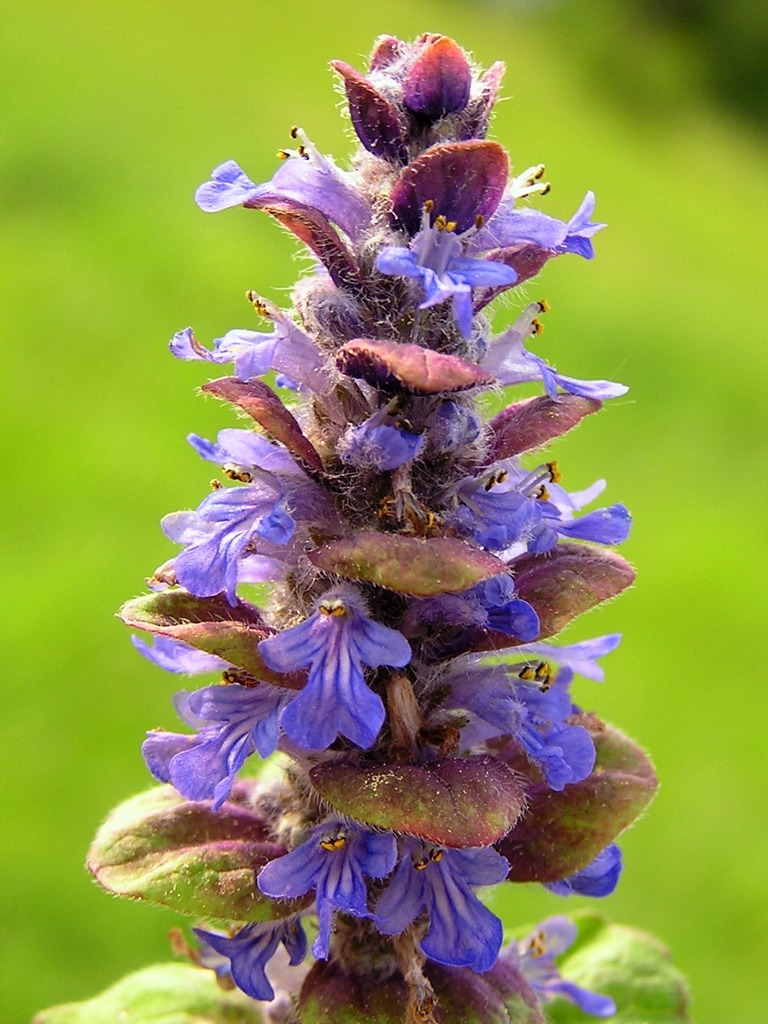
La búgula es una fantástica cubierta vegetal de bajo crecimiento que se extiende rápidamente para llenar los espacios vacíos en tu jardín. Produce espigas preciosas de flores azules o moradas en primavera que a las abejas les encantan. Verás que es una planta resistente que tolera bastante bien la sombra.
De un vistazo
- Nivel de cuidados
- Fácil
- Tipo de planta
- Cubierta vegetal perenne
- Luz
- Sombra parcial a sombra total
- Luz en interior
- Luz media
- Riego
- Cada 3 a 7 días
- Tamaño adulto
- de 6 a 9 pulgadas de alto
- Ritmo de crecimiento
- Rápido
- Rusticidad
- USDA 3 a 9
- Floración
- Mediados a finales de primavera
Cuidados
Mantén la tierra constantemente húmeda pero no encharcada para que se extienda bien. Estate atento a si se mustia durante las épocas de calor, lo que indica que necesita más agua. Puedes dividir fácilmente los matas en primavera u otoño para controlar su extensión.
- Riego
- Mantén la tierra uniformemente húmeda, especialmente durante los períodos secos de verano.
- Abonado
- Aplica un fertilizante líquido equilibrado una vez a principios de primavera para estimular el crecimiento.
- Poda
- Poda después de la floración si quieres arreglar su aspecto o controlar su extensión.
- Trasplante
- Si la cultivas en maceta, trasplanta a una maceta más grande una vez que las raíces llenen el espacio actual.
- Suelo
- Tierra bien drenada y rica en humus
- pH del suelo
- 6.0 a 7.0
- Temperatura
- -30 a 35°C
- Humedad
- 40 a 70%
Seguridad
- Personas
- La planta generalmente se considera no tóxica para los humanos, pero no se recomienda su ingestión.
- Mascotas
- Esta planta se considera generalmente no tóxica para gatos y perros.
- Niños
- Aunque no es muy tóxica, es mejor evitar que los niños pequeños coman las hojas para prevenir malestares estomacales.
- Alérgenos por contacto
- Algunas personas pueden experimentar una leve irritación de la piel al manipular el follaje.
- Alérgenos en el aire
- No hay informes significativos de alergias respiratorias asociadas con esta planta.
- Comestibilidad
- Esta planta no se considera comestible y no debe consumirse.
Cómo identificarla
- Hábito rastrero de bajo crecimiento
- Hojas ovaladas de color verde oscuro
- Espigas de flores azul moradas
- Se extiende por medio de estolones rastreros
- Altura
- 0,05 a 0,15m
- Anchura
- 0,3 a 0,6m
- Hojas
- verde, bronce, púrpura, semiperenne
- Flores
- azul, púrpura, blanco, 1 a 2cm
Problemas a vigilar
- Podredumbre radicularComún
- PulgonesComún
- Babosas y caracolesPoco común
- OídioPoco común
- Pudrición de la corona — Decaimiento fúngico que ocurre en suelos mal drenados o excesivamente húmedos.
Por síntoma
Revisa tu búgula con una foto
Pocket Botanist mira una foto de tu planta y te dice qué le pasa y qué probar primero.
Cómo cultivarla
- Propagación
- división, semilla, esquejes
- Cuándo plantar
- primavera, otoño
Combínala con plantas de sombra más altas para crear un aspecto en capas que mantenga el suelo fresco y húmedo.
Buenas compañeras
- Lirio de plátano — Comparten requisitos similares de sombra y humedad.
- Polystichum — Las texturas contrastantes quedan preciosas juntas en un entorno boscoso.
Especies parecidas
- Ortiga muerta moteada — Otro cubresuelos de bajo crecimiento que prospera en condiciones de luz similares.
Ciencia
- Familia
- Lamiaceae
- Género
- Ajuga
- Orden
- Lamiales
- Clase
- Magnoliopsida
- Distribución natural
- Europa, Asia occidental y el norte de África.
- Conservación
- Esta planta no es de interés para la conservación y está ampliamente naturalizada en muchas regiones.
Habita de forma natural en prados húmedos y bordes de bosques donde utiliza sus estolones para colonizar el suelo desnudo.
- Valor para la fauna
- fuente de néctar
- Polinizadores
- abejas, mariposas
- Usos
- cubresuelos, jardines de rocas, control de la erosión
A lo largo del año
Indicadores ecológicos
- Humedad
- 6/9
- Salinidad
- 2/9
- Reacción del suelo
- 5/9
- Luz
- 4/9
- Temperatura
- 5/9
- Nutrientes
- 5/9
Taxonomía cotejada con GBIF.
Lo que más preguntan
- ¿Invadirá mi jardín?
- Sí, se propaga rápidamente por estolones y puede volverse invasiva en condiciones ideales.
- ¿Puedo cortarla con la cortadora de césped?
- Tolera cortes ligeros ocasionales, pero es mejor dejarla formar una alfombra baja.
De dónde viene el nombre
El nombre del género Ajuga deriva de la palabra griega a-jugos, que significa sin yugo, mientras que el nombre de la especie reptans se refiere a su hábito rastrero.
Bueno saberlo
- Comúnmente se le conoce como ajuga o bupleurum.
- La planta forma una densa alfombra que desplaza eficazmente a la mayoría de las malezas.
- Prospera tanto a pleno sol como a la sombra, aunque el color del follaje suele ser más intenso a media sombra.
También en
Que tu búgula siga creciendo
Esta página es una guía general. Guarda tu planta en Pocket Botanist y tendrás recordatorios de cuidado pensados para esta planta, además de un historial de cuidados que muestra qué ha funcionado.
Esta guía se ha generado con IA y se ha cotejado con la taxonomía de GBIF. Es información general, no asesoramiento botánico ni veterinario. Descubre cómo elaboramos estas guías.