 Pocket Botanist
Guía de plantas
Ortiga muerta moteada.
Lamium maculatum
Pronunciación LAY-mee-um mak-yoo-LAY-tum
También se conoce como Ortiga muerta moteada, Ortiga muerta moteada


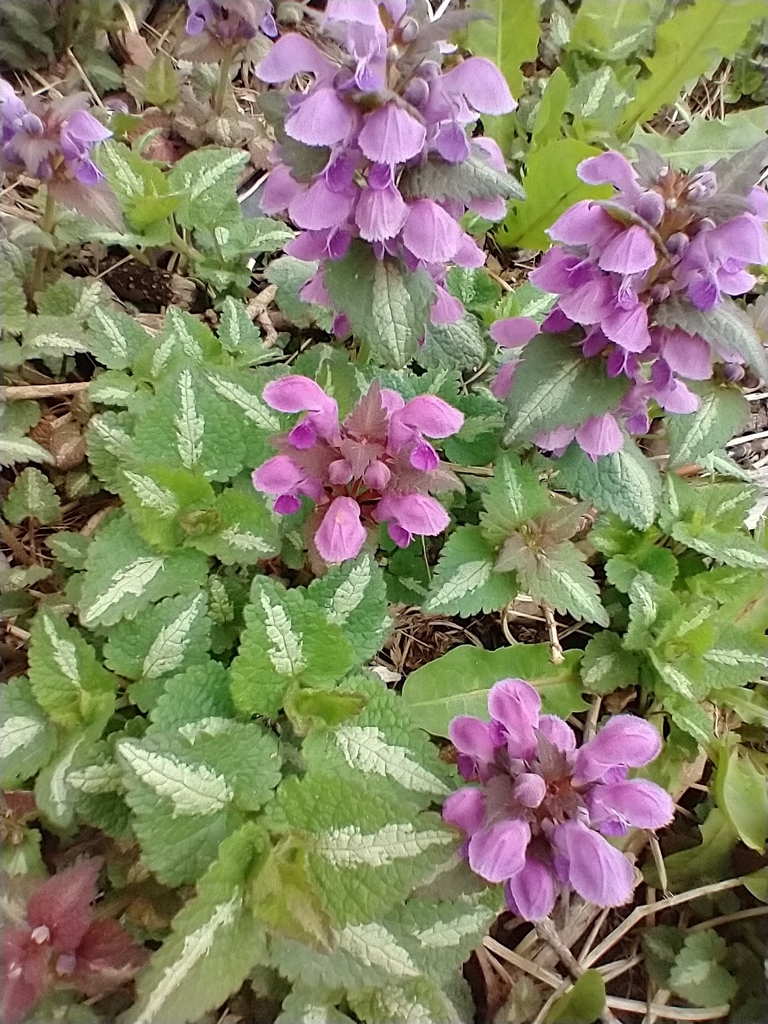
Esta encantadora planta rastrera es una favorita para dar vida a los rincones sombreados del jardín. Presenta unas preciosas hojas en forma de corazón con una distintiva franja plateada en el centro. Disfrutarás de sus delicadas flores con capucha que florecen desde la primavera hasta principios del verano.
De un vistazo
- Nivel de cuidados
- Fácil
- Tipo de planta
- Cubresuelos perenne
- Luz
- Sombra parcial a sombra total
- Luz en interior
- Luz media
- Riego
- Cada 3 a 7 días
- Tamaño adulto
- 8 pulgadas de alto por 24 pulgadas de ancho
- Ritmo de crecimiento
- Rápido
- Rusticidad
- USDA 3 a 8
- Floración
- Mediados a finales de primavera
Cuidados
Mantén la tierra constantemente húmeda pero nunca encharcada para prevenir problemas en las raíces. Estate atento a que se marchite durante las olas de calor, lo que indica que necesita un trago de agua. Poda los tallos largos para fomentar una apariencia más llena y compacta.
- Riego
- Riega cuando la pulgada superior de la tierra se sienta seca al tacto.
- Abonado
- Aplica un fertilizante líquido equilibrado durante la temporada de crecimiento activo.
- Poda
- Poda después del primer brote de flores para promover nuevo crecimiento.
- Trasplante
- Divide la planta cada pocos años para mantener su vigor y prevenir el apiñamiento.
- Suelo
- Tierra rica en humus, bien drenada
- pH del suelo
- 6.0 a 7.5
- Temperatura
- -25 a 30°C
- Humedad
- 40 a 70%
- Tolerancia a la sequía
- Baja
- Longevidad
- Perenne, típicamente de 3 a 5 años.
- Resistencia a ciervos y conejos
- Alta
Señales de que necesita trasplante
- Las raíces crecen fuera de los agujeros de drenaje.
- El agua pasa directamente a través de la maceta sin empaparse.
- Crecimiento atrofiado durante la temporada activa.
Seguridad
- Personas
- La planta generalmente se considera no tóxica para los humanos.
- Mascotas
- Esta planta generalmente se considera no tóxica para gatos y perros.
- Niños
- No se sabe que la planta sea un peligro para los niños, pero siempre se debe desaconsejar la ingestión.
- Alérgenos por contacto
- Algunas personas pueden experimentar irritación leve de la piel por los pelos del follaje.
- Alérgenos en el aire
- No hay alérgenos respiratorios notables asociados con esta planta.
- Comestibilidad
- Esta planta no se considera comestible y debe evitarse su consumo.
Cómo identificarla
- Hojas en forma de corazón con variegación plateada
- Tallos cuadrados típicos de la familia de la menta
- Flores con capucha en rosa, morado o blanco
- Hábito rastrero de crecimiento bajo
- Altura
- 0,15 a 0,25m
- Anchura
- 0,3 a 0,9m
- Hojas
- verde, plateado, blanco, semi-perenne
- Flores
- rosa, púrpura, blanco, 1 a 2cm
Problemas a vigilar
- Babosas y caracolesComún
- OídioComún
- Podredumbre radicularPoco común
- PulgonesPoco común
- Babosas — Estos moluscos se alimentan del follaje, dejando agujeros irregulares.
Por síntoma
Revisa tu ortiga muerta moteada con una foto
Pocket Botanist mira una foto de tu planta y te dice qué le pasa y qué probar primero.
Cómo cultivarla
- Propagación
- división, esquejes
- Cuándo plantar
- primavera, otoño
- Cuidados en invierno
- En climas más fríos, el follaje puede morir considerablemente. Simplemente retira cualquier tallo blando o muerto a principios de primavera para dejar espacio para el nuevo crecimiento.
- En maceta
- Funciona bien en cestas colgantes o macetas mixtas, siempre que el suelo permanezca constantemente húmedo.
División
- 1. Desenterrar un grupo en primavera u otoño.
- 2. Tirar suavemente de la masa de raíces para separarla en secciones más pequeñas.
- 3. Replantar las secciones inmediatamente en suelo húmedo.
Plantar en grupos para crear una alfombra densa que ahuyente eficazmente a las malas hierbas competidoras.
Buenas compañeras
- Lirio de plátano — Comparten requisitos similares de sombra y humedad.
- Polystichum — Las texturas del follaje contrastan maravillosamente en parterres sombreados.
- Lamprocapnos spectabilis — Proporciona un hermoso fondo para las delicadas flores del corazón sangrante.
Especies parecidas
- Lamio amarillo — Es una especie relacionada pero a menudo se considera más invasora.
Ciencia
- Familia
- Lamiaceae
- Género
- Lamium
- Orden
- Lamiales
- Clase
- Magnoliopsida
- Distribución natural
- Europa y Asia occidental.
- Conservación
- Esta planta no es de preocupación para la conservación y es ampliamente cultivada.
Prospera en suelos húmedos y sombreados de bosques, donde forma densas alfombras que suprimen las malas hierbas.
- Valor para la fauna
- fuente temprana de néctar de temporada
- Polinizadores
- abejas
- Usos
- cubresuelos, relleno de contenedores, acento para jardines de sombra
A lo largo del año
Indicadores ecológicos
- Salinidad
- 1/9
- Luz
- 3/9
- Temperatura
- 4/9
- Humedad
- 6/9
- Nutrientes
- 5/9
- Reacción del suelo
- 5/9
Taxonomía cotejada con GBIF.
Lo que más preguntan
- ¿Es invasiva?
- Puede ser agresiva en condiciones ideales, pero generalmente es fácil de controlar arrancándola.
- ¿Necesita pleno sol?
- No, prefiere sombra parcial a total y puede quemarse con el sol directo y caluroso.
De dónde viene el nombre
El nombre Lamium proviene de la palabra griega para garganta, refiriéndose a la forma de las flores. Maculatum significa manchado, describiendo las marcas de las hojas.
Bueno saberlo
- Comúnmente se le conoce como lamio manchado.
- El nombre deadnettle (ortiga muerta) se refiere a su parecido con la ortiga común, pero carece de los pelos urticantes.
- Se propaga rápidamente por tallos rastreros que enraízan al tocar el suelo.
También en
Que tu ortiga muerta moteada siga creciendo
Esta página es una guía general. Guarda tu planta en Pocket Botanist y tendrás recordatorios de cuidado pensados para esta planta, además de un historial de cuidados que muestra qué ha funcionado.
Esta guía se ha generado con IA y se ha cotejado con la taxonomía de GBIF. Es información general, no asesoramiento botánico ni veterinario. Descubre cómo elaboramos estas guías.