 Pocket Botanist
Pflanzenratgeber
Northern spicebush.
Lindera benzoin
Aussprache lin-DEER-uh ben-ZO-in
Auch bekannt als Benjamin bush, Benjamin-bush, Northern Spicebush, Spicebush, Wild Allspice, allspice


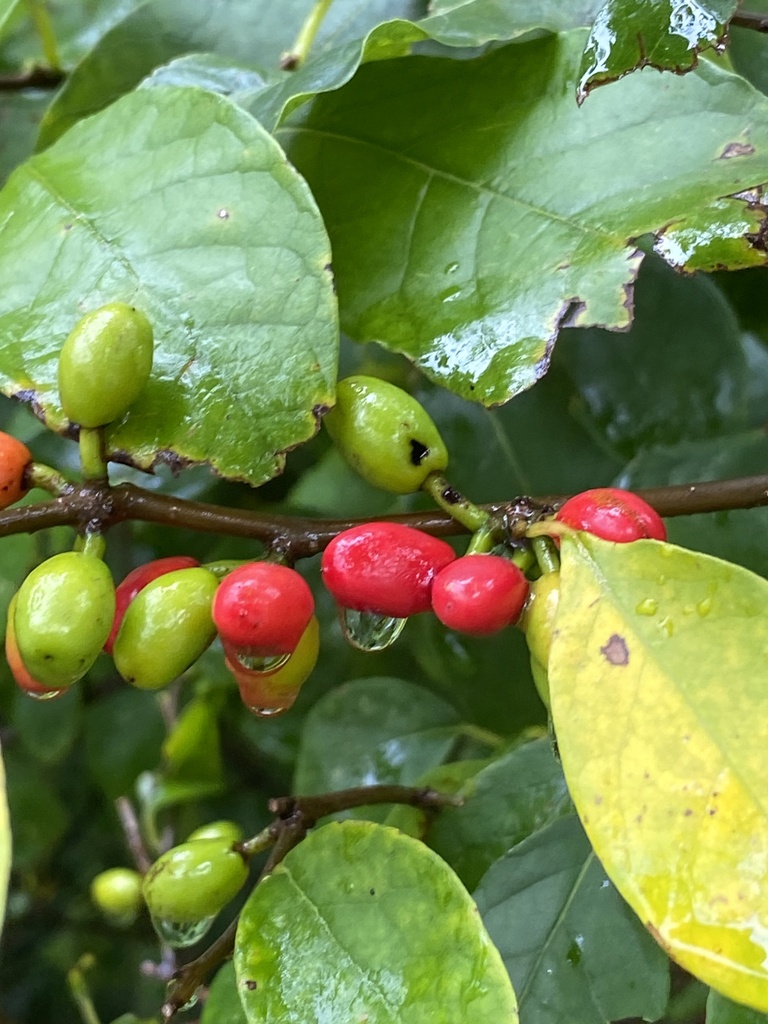
The northern spicebush is a lovely deciduous shrub that brings early spring color to woodland gardens. It produces clusters of tiny yellow flowers before the leaves emerge. You will enjoy its spicy fragrance when you crush the leaves or twigs.
Auf einen Blick
- Pflegestufe
- Einfach
- Pflanzenart
- Deciduous shrub
- Licht
- Partial shade to full shade
- Licht im Innenraum
- Hell, indirekt
- Gießen
- Alle 3 bis 7 Tage
- Endgröße
- 6 to 12 feet
- Wachstum
- Mittel
- Winterhärte
- USDA 4 bis 9
- Blütezeit
- Early to mid spring
Pflege
Keep the soil consistently moist to mimic its natural woodland habitat. Watch for wilting during dry spells, as this shrub prefers a bit of extra hydration. It thrives best when protected from harsh afternoon sun.
- Gießen
- Water deeply whenever the top inch of soil feels dry to the touch.
- Düngen
- Apply a balanced organic fertilizer once in early spring before new growth starts.
- Schneiden
- Prune immediately after flowering to shape the shrub and remove any dead wood.
- Umtopfen
- If grown in a container, move to a larger pot every few years when roots become crowded.
- Boden
- Rich, moist, well-draining soil
- Boden-pH
- Acidic to neutral
- Temperatur
- -30 bis 35°C
- Luftfeuchtigkeit
- 40 bis 70%
Sicherheit
- Menschen
- The plant is not considered toxic to humans.
- Kinder
- The small red berries could pose a choking hazard to very young children if ingested.
- Kontaktallergene
- Some individuals may experience mild skin irritation from handling the aromatic leaves or bark.
- Allergene in der Luft
- The pollen may cause mild seasonal allergies in sensitive individuals.
- Essbarkeit
- While the berries and leaves are traditionally used for tea, consult a professional before consuming wild plants.
So erkennst du die Pflanze
- Clusters of tiny yellow spring flowers
- Bright red drupe fruits in autumn
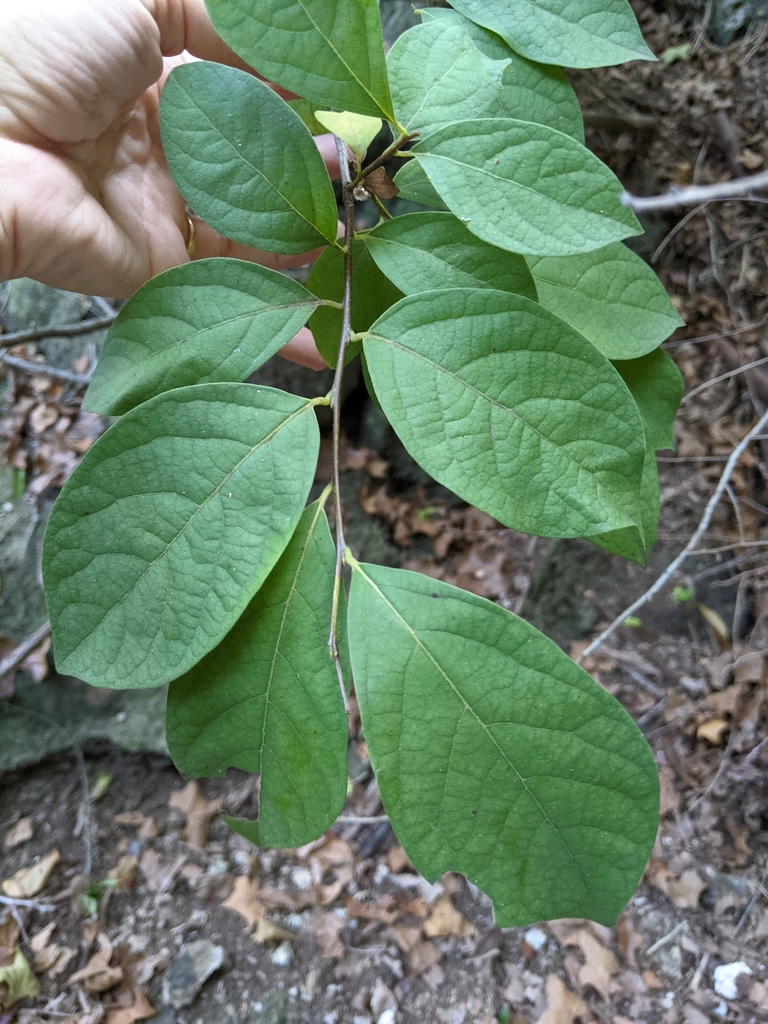
- Alternate simple oval leaves
- Spicy aromatic foliage and twigs
- Smooth gray bark on mature stems
- Höhe
- 1,8 bis 3,6m
- Breite
- 1,8 bis 3,6m
- Blätter
- bright green, yellow, deciduous
- Blüten
- yellow, 0,5 bis 1cm
- Früchte
- red, Late summer to early autumn
Häufige Probleme
- Spicebush swallowtail larvae — These caterpillars feed on the foliage but rarely cause significant damage to healthy shrubs.
Standort und Pflege
- Vermehrung
- seed, cuttings, division
- Pflanzzeit
- spring, autumn
Plant in groups to ensure cross pollination for fruit production.
Gute Pflanzpartner
- White Trillium — They share similar woodland habitat requirements.
- Asarum canadense — It makes an excellent groundcover beneath the shrub.
- Christmas fern — The textures contrast beautifully in a shaded garden.
Ähnliche Arten
- Sassafras — Both are aromatic members of the Lauraceae family.
Botanisches
- Familie
- Lauraceae
- Gattung
- Lindera
- Ordnung
- Laurales
- Klasse
- Magnoliopsida
- Ursprüngliche Heimat
- Eastern North America
- Artenschutz
- Spicebush is common throughout its range and is not currently of conservation concern.
It grows as an understory shrub in moist woodlands, relying on its shade tolerance to survive beneath the canopy.
- Nutzen für Wildtiere
- larval host plant, nectar source, bird food source
- Bestäuber
- Bienen, Schmetterlinge
- Verwendung
- ornamental shrub, woodland gardens, pollinator habitat, culinary tea
Im Jahresverlauf
Ökologische Zeigerwerte
- Salzgehalt
- 1/9
- Bodenreaktion
- 5/9
- Licht
- 4/9
- Temperatur
- 5/9
- Feuchtigkeit
- 7/9
- Nährstoffe
- 5/9
Taxonomie abgeglichen mit GBIF.
Häufige Fragen
- Does spicebush need full sun?
- It prefers part shade to full shade but will tolerate more sun if the soil remains consistently moist.
- Why are there no berries on my shrub?
- Spicebush is dioecious, meaning you need both male and female plants to produce fruit.
Woher der Name kommt
The genus name honors Swedish botanist John Linder, while the species name refers to the benzoin-like scent of the crushed foliage.
Gut zu wissen
- The leaves and twigs are highly aromatic when crushed.
- Early settlers used the dried berries as a substitute for allspice.
- It is one of the first shrubs to bloom in the spring forest.
- The foliage turns a brilliant golden yellow in the autumn.
- It thrives in the dappled shade of deciduous forests.
Auch in
Probleme mit Northern spicebush?
Diese Seite bietet allgemeine Infos. Pocket Botanist erkennt Probleme anhand eines Fotos deiner echten Pflanze, passt das Gießen an dein Licht und deinen Standort an und erinnert dich an die Pflege.
Dieser Ratgeber wurde mit KI erstellt und mit der GBIF-Taxonomie abgeglichen. Er dient zur allgemeinen Information und ersetzt keine gärtnerische oder tierärztliche Beratung. Hier erfährst du, wie wir diese Ratgeber erstellen.