 Pocket Botanist
Pflanzenratgeber
Crested dogstail.
Cynosurus cristatus
Aussprache sy-no-SOO-rus kris-TAY-tus
Auch bekannt als Crested Dog's-Tail, Crested Dogstail, Crested dogstail grass, Crested dog’s tail grass


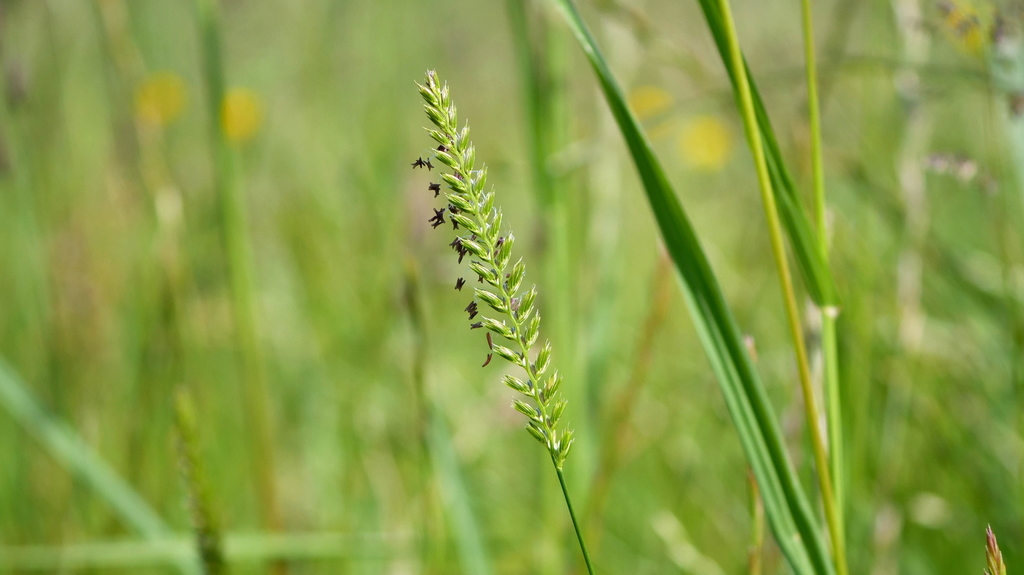
Crested dogstail is a hardy perennial grass often found in pastures and meadows. It forms dense, tufted clumps that stay green throughout much of the year. This grass is quite adaptable and stands up well to grazing and mowing.
Auf einen Blick
- Pflegestufe
- Einfach
- Pflanzenart
- Perennial grass
- Licht
- Full sun
- Licht im Innenraum
- Direkte Sonne
- Gießen
- Alle 3 bis 7 Tage
- Endgröße
- 2 to 3 feet
- Wachstum
- Mittel
- Winterhärte
- USDA 4 bis 9
- Blütezeit
- Late spring to mid summer
Pflege
Keep the soil consistently moist but not waterlogged for the best growth. Watch for yellowing leaves which can indicate poor drainage or nutrient deficiency. It thrives best when grown in open, sunny areas.
- Gießen
- Water when the top inch of soil feels dry to the touch.
- Düngen
- Apply a balanced fertilizer during the active growing season.
- Schneiden
- Trim back dead foliage in late winter to encourage fresh growth.
- Umtopfen
- Repot if the plant becomes root bound or the soil loses its structure.
- Boden
- Well draining loam
- Boden-pH
- 6.0 to 7.5
- Temperatur
- -20 bis 30°C
- Luftfeuchtigkeit
- 40 bis 80%
- Trockenheitstoleranz
- Hoch
- Lebensdauer
- Perennial, typically 3 to 5 years.
- Wildverbiss-Resistenz
- Mittel
Sicherheit
- Menschen
- There are no reports of human toxicity for this species.
- Kinder
- The sharp seed heads might scratch delicate skin, so keep an eye on small children.
- Kontaktallergene
- The leaf blades can cause minor skin irritation if handled roughly.
- Allergene in der Luft
- The pollen is a common seasonal allergen for many people.
- Essbarkeit
- This grass is not intended for human consumption.
So erkennst du die Pflanze
- Narrow, flat, dark green leaves
- Distinctive comb like flower spikes
- Dense tufted growth habit
- Smooth stems without hairs
- Höhe
- 0,2 bis 0,6m
- Breite
- 0,15 bis 0,3m
- Blätter
- green, deciduous
- Blüten
- green, yellow, 2 bis 8cm
Häufige Probleme
- Rust — Fungal spores create orange streaks on the leaves during humid weather.
Standort und Pflege
- Vermehrung
- seed
- Pflanzzeit
- spring, autumn
- Überwinterung
- Leave the foliage standing through winter to protect the crown from frost. Cut back to the ground in early spring before new growth begins.
- Im Kübel
- It is not typically grown in containers as it prefers the stability of open ground.
Seed sowing
- Collect seeds in late summer when they turn brown.
- Sow directly into prepared soil in autumn.
- Lightly rake the seeds into the surface.
- Keep the area moist until germination occurs.
Pair this grass with native wildflowers to create a balanced meadow ecosystem.
Gute Pflanzpartner
- Red clover — It fixes nitrogen in the soil, which benefits the grass.
- Ox-eye Daisy — They grow well together in traditional meadow settings.
Ähnliche Arten
- Sweet vernal grass — It shares a similar habitat and growth habit.
Botanisches
- Familie
- Poaceae
- Gattung
- Cynosurus
- Ordnung
- Poales
- Klasse
- Liliopsida
- Ursprüngliche Heimat
- Europe, Western Asia, and North Africa.
- Artenschutz
- This species is common and not of conservation concern.
It thrives in well drained, neutral to slightly acidic soils in open meadows and grasslands.
- Nutzen für Wildtiere
- larval host plant, provides nesting material
- Bestäuber
- Bienen, Schmetterlinge
- Verwendung
- pasture grass, ornamental meadow planting, erosion control
Im Jahresverlauf
Ökologische Zeigerwerte
- Salzgehalt
- 2/9
- Bodenreaktion
- 6/9
- Licht
- 7/9
- Temperatur
- 5/9
- Feuchtigkeit
- 4/9
- Nährstoffe
- 4/9
Taxonomie abgeglichen mit GBIF.
Häufige Fragen
- Is it good for lawns?
- It is excellent for low maintenance lawns as it tolerates close mowing.
- Does it need fertilizer?
- It prefers moderate soil and usually does not require extra feeding.
Woher der Name kommt
The name Cynosurus comes from the Greek words for dog and tail, referring to the shape of the flower spike. Cristatus means crested, describing the appearance of the spikelets.
Gut zu wissen
- It is often called crested dogstail because of its unique, comb like seed head.
- This grass is a classic component of traditional hay meadows in Europe.
- It has a very deep root system that helps it survive in poor soils.
Auch in
Probleme mit Crested dogstail?
Diese Seite bietet allgemeine Infos. Pocket Botanist erkennt Probleme anhand eines Fotos deiner echten Pflanze, passt das Gießen an dein Licht und deinen Standort an und erinnert dich an die Pflege.
Dieser Ratgeber wurde mit KI erstellt und mit der GBIF-Taxonomie abgeglichen. Er dient zur allgemeinen Information und ersetzt keine gärtnerische oder tierärztliche Beratung. Hier erfährst du, wie wir diese Ratgeber erstellen.