 Pocket Botanist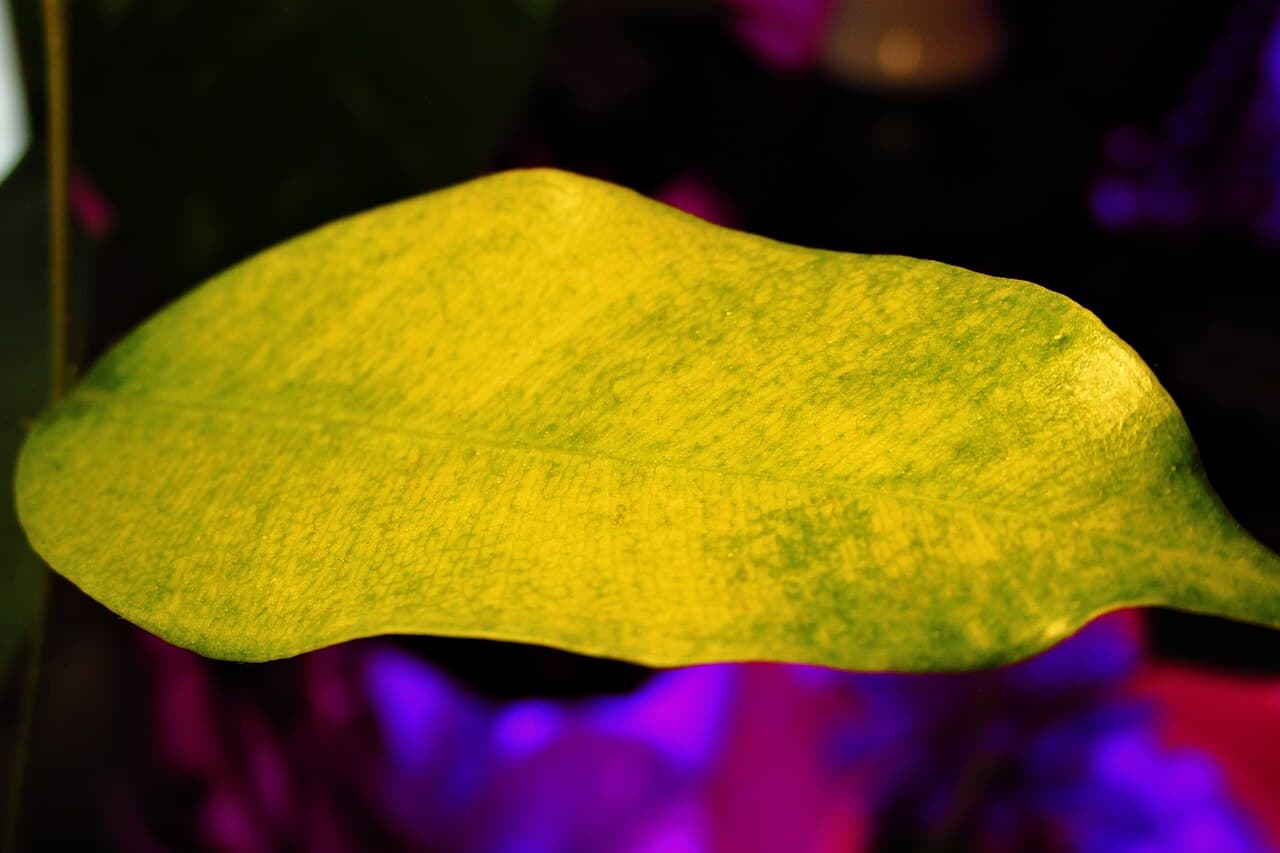
.jpg)
Check these first
- Inspect the water for cloudiness or green tint.
- Check if the leaves are covered in a layer of algae.
- Test the water for high nitrate levels.
Likely causes
Light Deprivation
Most likelyHow to tell: The leaves look pale and stretched before turning yellow. This usually happens when algae blooms block the sun.
What to do: Clean the glass of your tank to remove algae buildup. If the water is cloudy, perform a partial water change of 20 to 30 percent to improve clarity.
Nutrient Imbalance
PossibleHow to tell: Older leaves turn yellow while new growth remains small. This indicates the substrate lacks necessary minerals.
What to do: Insert root tabs specifically designed for aquatic plants into the substrate near the base. Follow the package instructions for dosage based on your tank size.
When to worry
It is normal for the oldest, lowest leaves to yellow and die off occasionally. Worry if the yellowing spreads rapidly across the entire colony.
Stopping it coming back
Maintain a consistent light cycle of 8 to 10 hours and keep nutrient levels stable with regular water changes.
Not sure which one it is? Photograph your eelgrass.
This page lists the usual causes. Pocket Botanist looks at your actual leaf and tells you the likely cause, how serious it is, and what to try first. Identification and a health check are free.


Questions people ask
- Can I leave the yellow leaves on?
- It is best to trim them off with clean scissors. This prevents them from rotting and polluting the water.
- Does yellowing mean my plant is dying?
- Not necessarily, but it is a warning sign. Address the light or nutrient issue quickly to help it recover.
More problems with Eelgrass
This article was generated with AI from the plant’s care profile and is general information, not horticultural advice. Read about how we build these guides.