 Pocket Botanist
Plant guide
Zinnia.
Zinnia
Pronounced ZIN-ee-uh EL-eh-ganz
Also known as Zinnia, Zinnias



Scan with your phone's camera to get the app
Or go to pocketbotanist.app/get on your phone
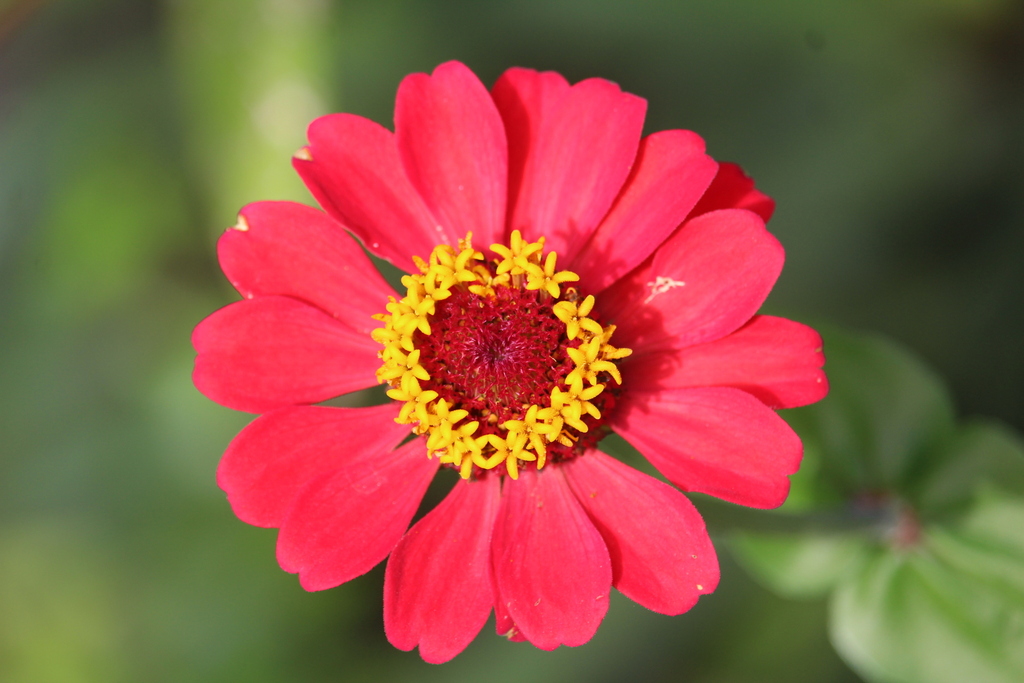
Zinnias are cheerful, sun loving annuals that bring a burst of color to any garden. They are incredibly easy to grow from seed and bloom continuously until the first frost. You will love how they attract butterflies and bees to your outdoor space.
At a glance
- Care level
- Easy
- Plant type
- Annual
- Light
- Full sun
- Indoor light
- Direct sun
- Water
- Every 3 to 7 days
- Mature size
- 1 to 3 feet
- Growth rate
- Fast
Care
Plant these in a spot with plenty of sun and good air circulation to keep powdery mildew away. Deadhead spent blooms regularly to encourage the plant to keep producing new flowers. Watch for yellowing leaves which can indicate overwatering or poor drainage.
- Watering
- Water at the base of the plant to keep the foliage dry and prevent fungal issues.
- Feeding
- Apply a balanced liquid fertilizer once a month during the active growing season.
- Pruning
- Regularly remove faded flowers to promote continuous blooming throughout the summer.
- Repotting
- As annuals, these are typically grown directly in the ground or containers for one season and do not require repotting.
- Soil
- Well draining, fertile soil
- Soil pH
- 6.0 to 7.5
Safety
- Pets
- Zinnias are considered non toxic to cats and dogs.
How to identify it
- Opposite, lance shaped leaves
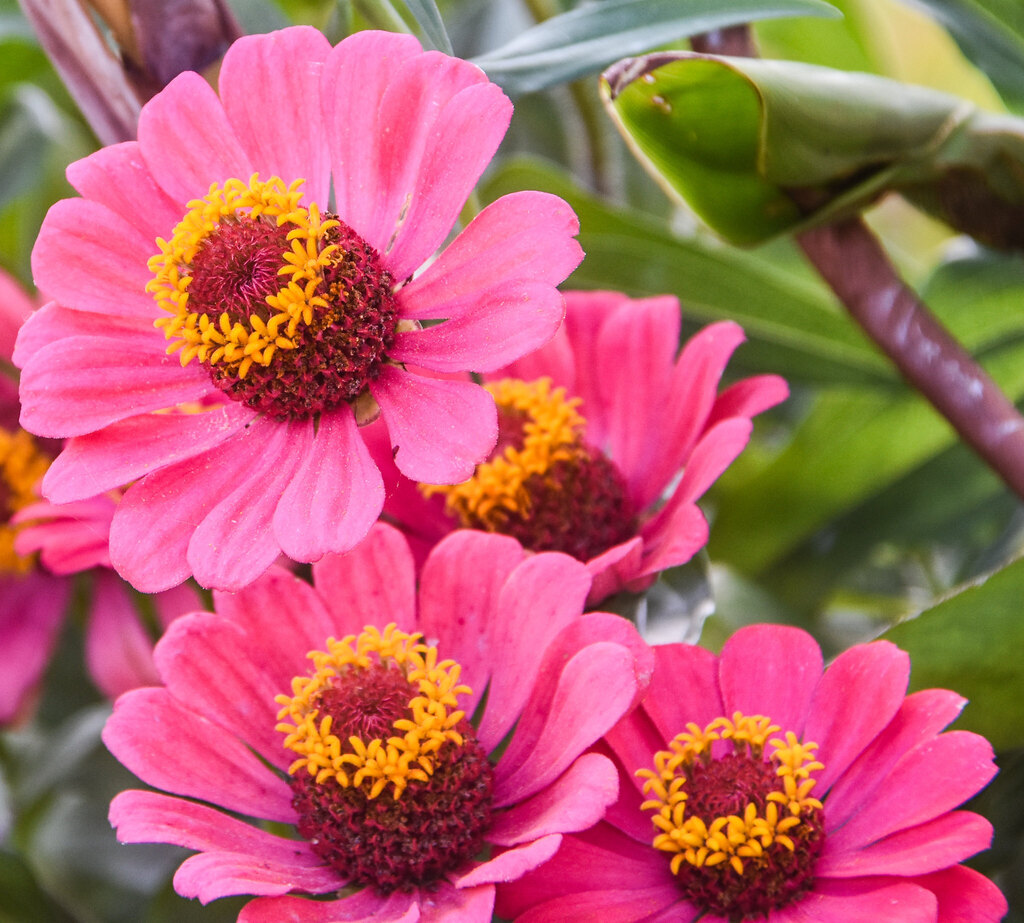
- Single or double daisy like flowers
- Stiff, hairy stems
- Bright, saturated flower colors
Check your zinnia from a photo
Pocket Botanist looks at a photo of your plant and tells you what's wrong and what to try first.
Scan with your phone's camera to get the app
Or go to pocketbotanist.app/get on your phone
Science
- Family
- Asteraceae
- Genus
- Zinnia
- Order
- Asterales
- Class
- Magnoliopsida
Taxonomy resolved against GBIF.
Keep your zinnia growing
This page is a general guide. Save your plant in Pocket Botanist and you get care reminders timed for this plant, plus a care history that shows what worked.
Scan with your phone's camera to get the app
Or go to pocketbotanist.app/get on your phone
This guide was generated with AI on and checked against GBIF taxonomy. It is general information, not horticultural or veterinary advice. Read about how we build these guides.