 Pocket Botanist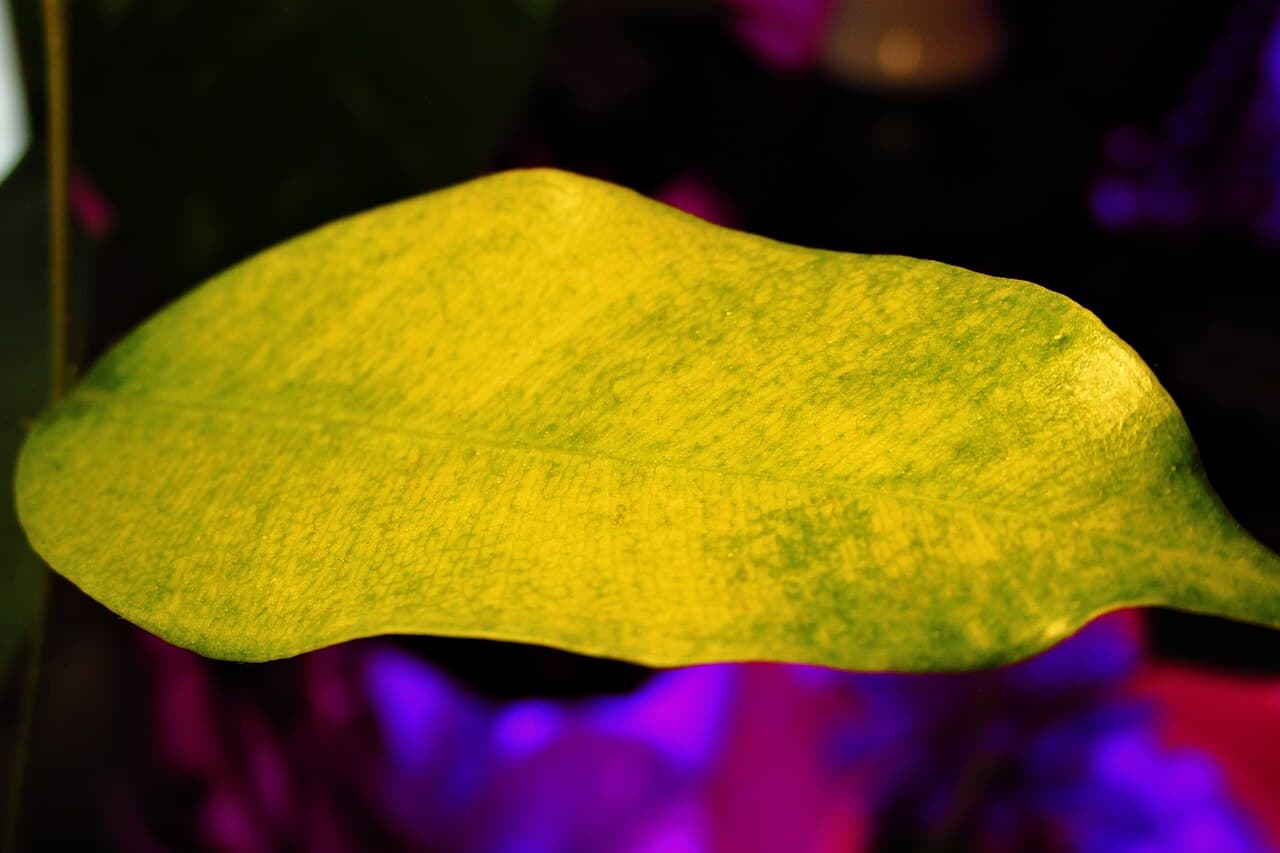
.jpg)
Check these first
- Poke your finger an inch into the soil to check for dampness.
- Inspect the base of the stems for any signs of rot or mushiness.
- Look at the surrounding soil to see if it drains well after rain.
Likely causes
Overwatering
Most likelyHow to tell: The leaves turn yellow and feel soft or mushy to the touch. The soil stays wet for more than 10 days.
What to do: Stop watering immediately and let the top 2 inches of soil dry out completely. Ensure your planting area has good drainage and is not sitting in a low spot where water pools.
Nutrient deficiency
PossibleHow to tell: Leaves turn a pale yellow while the veins remain green. This often happens in older plants that have been in the same spot for years.
What to do: Apply a balanced liquid fertilizer diluted to half strength during the spring. Do this once every 4 to 6 weeks to help the plant regain its color.
When to worry
It is normal to see a few yellow leaves on older growth as the season changes. Worry if the yellowing spreads rapidly across the entire patch.
Stopping it coming back
Ensure your periwinkle is planted in well draining soil and avoid watering on a strict schedule, checking the soil moisture instead.
Not sure which one it is? Photograph your periwinkle.
This page lists the usual causes. Pocket Botanist looks at your actual leaf and tells you the likely cause, how serious it is, and what to try first. Identification and a health check are free.


Questions people ask
- Should I pull off the yellow leaves?
- Yes, you can gently pluck them off to keep the patch looking tidy. This also helps you see if new yellow leaves continue to appear.
- Can too much sun cause yellowing?
- Yes, if the plant is getting too much direct afternoon sun, the leaves may bleach or turn yellow. Move or shade the plant if it is in a spot that is too bright.
More problems with periwinkle
This article was generated with AI from the plant’s care profile and is general information, not horticultural advice. Read about how we build these guides.