 Pocket Botanist
Plant guide
Golden oat grass.
Trisetum flavescens
Pronounced TRY-see-tum flah-VES-senz
Also known as Yellow Oat-Grass, Yellow Oats, Yellow oatgrass



Scan with your phone's camera to get the app
Or go to pocketbotanist.app/get on your phone

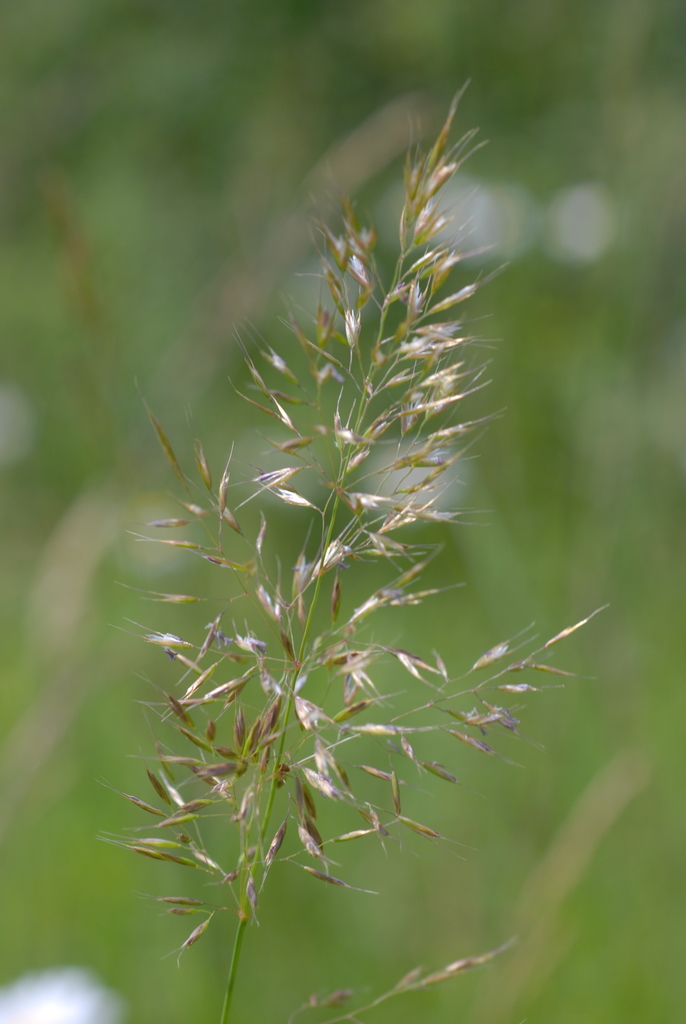
Golden oat grass is a lovely perennial bunchgrass known for its shimmering, yellow, panicle flowers. It thrives in meadows and pastures, adding a soft texture to the landscape. You will find it is quite hardy and adapts well to various temperate climates.
At a glance
- Care level
- Easy
- Plant type
- Perennial grass
- Light
- Full sun
- Indoor light
- Direct sun
- Water
- Every 7 to 14 days
- Mature size
- 2 to 3 feet
- Growth rate
- Medium
- Hardiness
- USDA 4 to 8
- Bloom time
- Late spring to early summer
Care
Keep this grass in a sunny spot with well draining soil to help it flourish. Watch for browning tips which might suggest the soil is staying too dry for too long. It is a low maintenance plant that mostly just needs a good trim once a year.
- Watering
- Water when the top inch of soil feels dry to the touch.
- Feeding
- Apply a balanced fertilizer once in early spring to support new growth.
- Pruning
- Cut back the foliage to the ground in late winter or early spring before new growth starts.
- Repotting
- Divide the root ball every few years to keep the plant healthy and vigorous.
- Soil
- Well draining loam
- Soil pH
- 6.0 to 7.5
- Temperature
- -34 to 30°C
- Humidity
- 40 to 70%
Safety
- People
- There are no significant toxic effects reported for humans from casual contact.
- Children
- The sharp, serrated edges of the leaves can cause minor paper cuts on delicate skin.
- Contact allergens
- The rough leaf blades can cause minor skin irritation if handled frequently without gloves.
- Airborne allergens
- The pollen produced in early summer can trigger seasonal allergies in sensitive individuals.
- Edibility
- This grass is not intended for human consumption and may cause digestive upset.
How to identify it
- Yellowish, shiny panicle flower heads
- Slender, flat green leaf blades
- Forms dense, upright grassy clumps
- Fine, delicate hair on leaf sheaths
- Height
- 0.3 to 0.8m
- Spread
- 0.2 to 0.4m
- Leaves
- green, deciduous
- Flowers
- yellow, gold, 5 to 15cm
Problems to watch for
- Rust · Fungal infection causing orange or brown pustules on the leaves during humid weather.
Check your golden oat grass from a photo
Pocket Botanist looks at a photo of your plant and tells you what's wrong and what to try first.
Scan with your phone's camera to get the app
Or go to pocketbotanist.app/get on your phone
Growing it
- Propagation
- seed, division
- When to plant
- spring, autumn
Pair this grass with native wildflowers to create a balanced meadow ecosystem that supports local pollinators.
Grows well with
- Oxeye Daisy · They share similar moisture requirements and create a classic meadow aesthetic.
- Red Clover · This legume fixes nitrogen in the soil, which benefits the growth of the grass.
Similar species
- Common Bent · It is another common meadow grass that often grows alongside this species.
Science
- Family
- Poaceae
- Genus
- Trisetum
- Order
- Poales
- Class
- Liliopsida
- Native range
- Europe, Western Asia, and parts of North Africa.
- Conservation
- It is widespread and common throughout its native range and is not currently threatened.
It survives in the wild by colonizing open, nutrient rich grasslands where it competes well through rapid spring growth.
- Value to wildlife
- larval host plant, seed source for birds
- Pollinators
- bees, butterflies
- Uses
- meadow restoration, forage crop, ornamental grass
Through the year
Ecological indicators
- Salinity
- 1/9
- Soil reaction
- 6/9
- Light
- 7/9
- Temperature
- 5/9
- Moisture
- 5/9
- Nutrients
- 6/9
Taxonomy resolved against GBIF.
Questions people ask
- Does it need full sun?
- Yes, it performs best in full sun to light shade.
- Is it drought tolerant?
- It has moderate drought tolerance once established but prefers consistent moisture.
Where the name comes from
The genus name Trisetum refers to the three awns found on the spikelets, while the specific epithet flavescens describes its golden yellow color.
Good to know
- It is commonly known as golden oat grass because of its shimmering yellow inflorescences.
- The species name flavescens refers to the yellowish hue of the flowering panicles.
- It thrives in nutrient rich soils and is a key component of traditional hay meadows.
- The grass is quite sensitive to heavy grazing and prefers managed mowing regimes.
Keep your golden oat grass growing
This page is a general guide. Save your plant in Pocket Botanist and you get care reminders timed for this plant, plus a care history that shows what worked.
Scan with your phone's camera to get the app
Or go to pocketbotanist.app/get on your phone
This guide was generated with AI on and checked against GBIF taxonomy. It is general information, not horticultural or veterinary advice. Read about how we build these guides.