 Pocket Botanist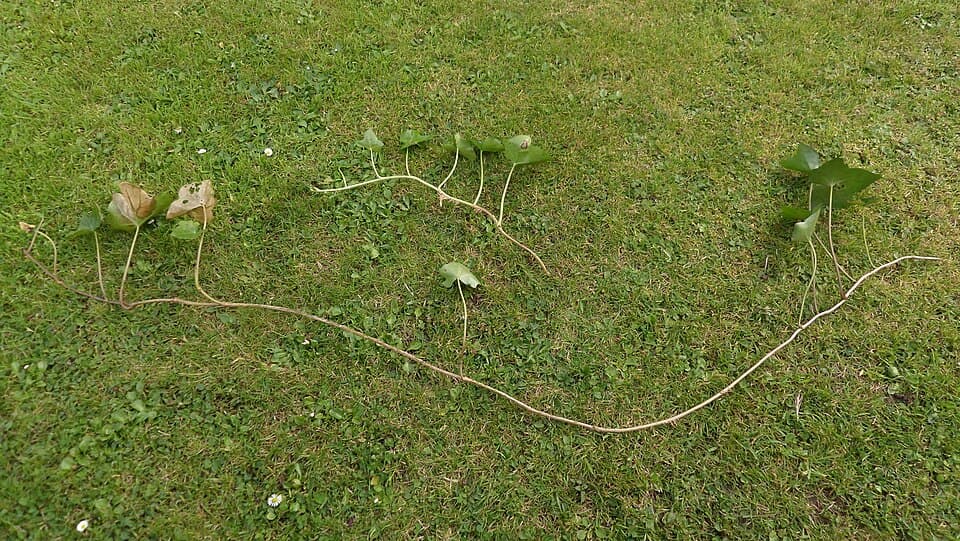

Check these first
- Observe how many hours of direct sun the plant receives.
- Check if the plant is leaning toward a window.
- Measure the distance between leaf nodes on the stem.
Likely causes
Insufficient light
Most likelyHow to tell: The stems are long with large gaps between the leaves. The plant leans heavily toward the nearest light source.
What to do: Move the plant to a spot with more direct sun or brighter indirect light. If growing indoors, place it in a south or west facing window.
Lack of pruning
PossibleHow to tell: The plant is tall but has not been trimmed back in a long time. It looks sparse rather than bushy.
What to do: Trim the stems back by one third to encourage fuller growth. Do this in early spring to help the plant shape up for the season.
When to worry
It is not a health emergency, but a sign the plant is unhappy with its location. If left alone, it may eventually flop over.
Stopping it coming back
Give your sage plenty of light from the start. Prune it lightly after the main flowering period to maintain a compact shape.
Not sure which one it is? Photograph your lyreleaf sage.
This page lists the usual causes. Pocket Botanist looks at your actual leaf and tells you the likely cause, how serious it is, and what to try first. Identification and a health check are free.


Questions people ask
- Can I fix a leggy plant by just moving it?
- Moving it will stop the stretching, but the existing long stems will not shrink. You will need to prune it to restore a compact look.
- How much sun does it really need?
- It thrives in full sun to partial shade. If it is indoors, give it the brightest spot you have.
More problems with Lyreleaf sage
Back to the Lyreleaf sage guide
This article was generated with AI from the plant’s care profile and is general information, not horticultural advice. Read about how we build these guides.