 Pocket Botanist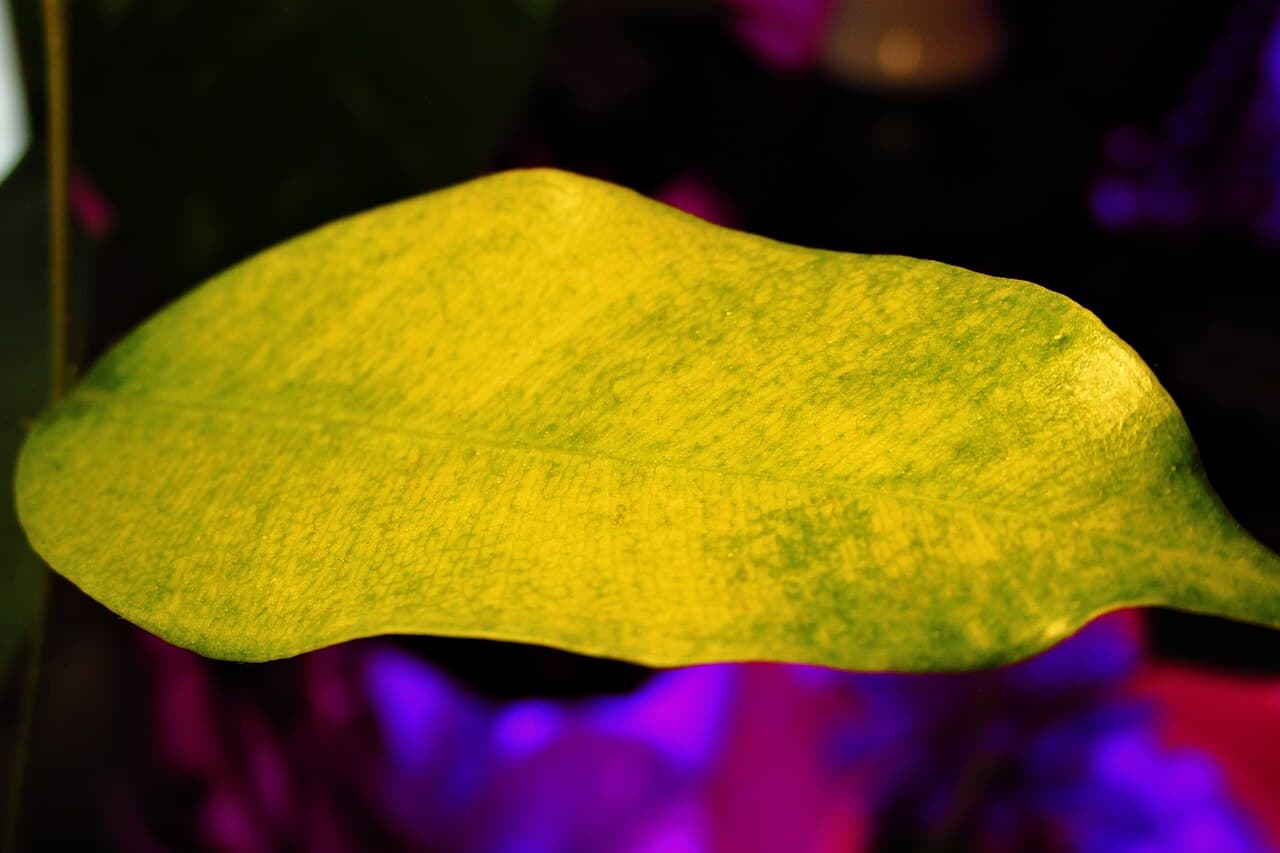
.jpg)
Check these first
- Poke your finger an inch into the soil to check for dampness.
- Inspect the drainage holes to ensure they are not blocked.
- Look for signs of pests on the undersides of the yellowing leaves.
Likely causes
Overwatering
Most likelyHow to tell: The leaves feel soft and limp, and the soil stays soggy for days.
What to do: Stop watering immediately and let the top 2 inches of soil dry out completely. Ensure your pot has drainage holes so extra water can escape.
Nutrient deficiency
PossibleHow to tell: Older leaves turn yellow while the plant looks generally pale and slow to grow.
What to do: Apply a balanced liquid fertilizer diluted to half strength once a month during the growing season. Avoid overfeeding, as this can burn the roots.
When to worry
It is normal for the very oldest, bottom leaves to yellow and drop occasionally. Worry if the yellowing spreads rapidly across the whole plant.
Stopping it coming back
Only water when the top inch of soil is dry and always provide good air circulation around the base of the plant.
Not sure which one it is? Photograph your salad burnet.
This page lists the usual causes. Pocket Botanist looks at your actual leaf and tells you the likely cause, how serious it is, and what to try first. Identification and a health check are free.


Questions people ask
- Should I cut off the yellow leaves?
- Yes, you can snip them off with clean scissors to keep the plant looking tidy and prevent potential rot.
- Can too much sun cause yellowing?
- Usually, too much sun causes bleaching or browning, not yellowing. If your plant is in full sun, ensure it is getting enough water.
More problems with Salad Burnet
Back to the Salad Burnet guide
This article was generated with AI from the plant’s care profile and is general information, not horticultural advice. Read about how we build these guides.