 Pocket Botanist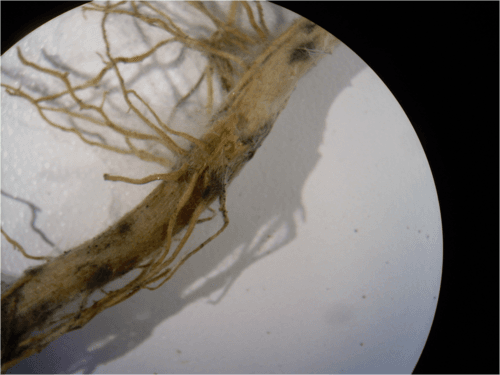

Check these first
- Smell the sediment near the roots for a sulfur odor.
- Check the color of the sand for black patches.
- Verify that the rhizomes are not buried too deeply.
Likely causes
Anaerobic Sediment
Most likelyHow to tell: The sediment around the roots is black and releases a sulfurous odor when disturbed.
What to do: Gently aerate the top layer of the sediment to introduce oxygen. Ensure the plant is not buried too deeply in compacted sand.
Excessive Organic Matter
PossibleHow to tell: Decaying debris is piling up around the base of the plant, leading to bacterial buildup.
What to do: Clear away any dead plant matter or debris from the base of the meadow. Improve water circulation to prevent buildup.
When to worry
If the rhizomes feel mushy or fall apart when touched, the plant is likely dying. This is a critical issue that requires immediate intervention.
Stopping it coming back
Keep the sediment clean and ensure there is enough water movement to prevent organic buildup.
Not sure which one it is? Photograph your neptune grass.
This page lists the usual causes. Pocket Botanist looks at your actual leaf and tells you the likely cause, how serious it is, and what to try first. Identification and a health check are free.


Questions people ask
- Can I use fertilizer to help the roots?
- Neptune grass gets nutrients from the water and sediment. Adding fertilizer can often cause more harm by encouraging algae.
- How deep should the rhizomes be?
- The rhizomes should be just barely covered by the sand. Burying them too deep prevents oxygen exchange.
More problems with Neptune grass
Back to the Neptune grass guide
This article was generated with AI from the plant’s care profile and is general information, not horticultural advice. Read about how we build these guides.