 Pocket Botanist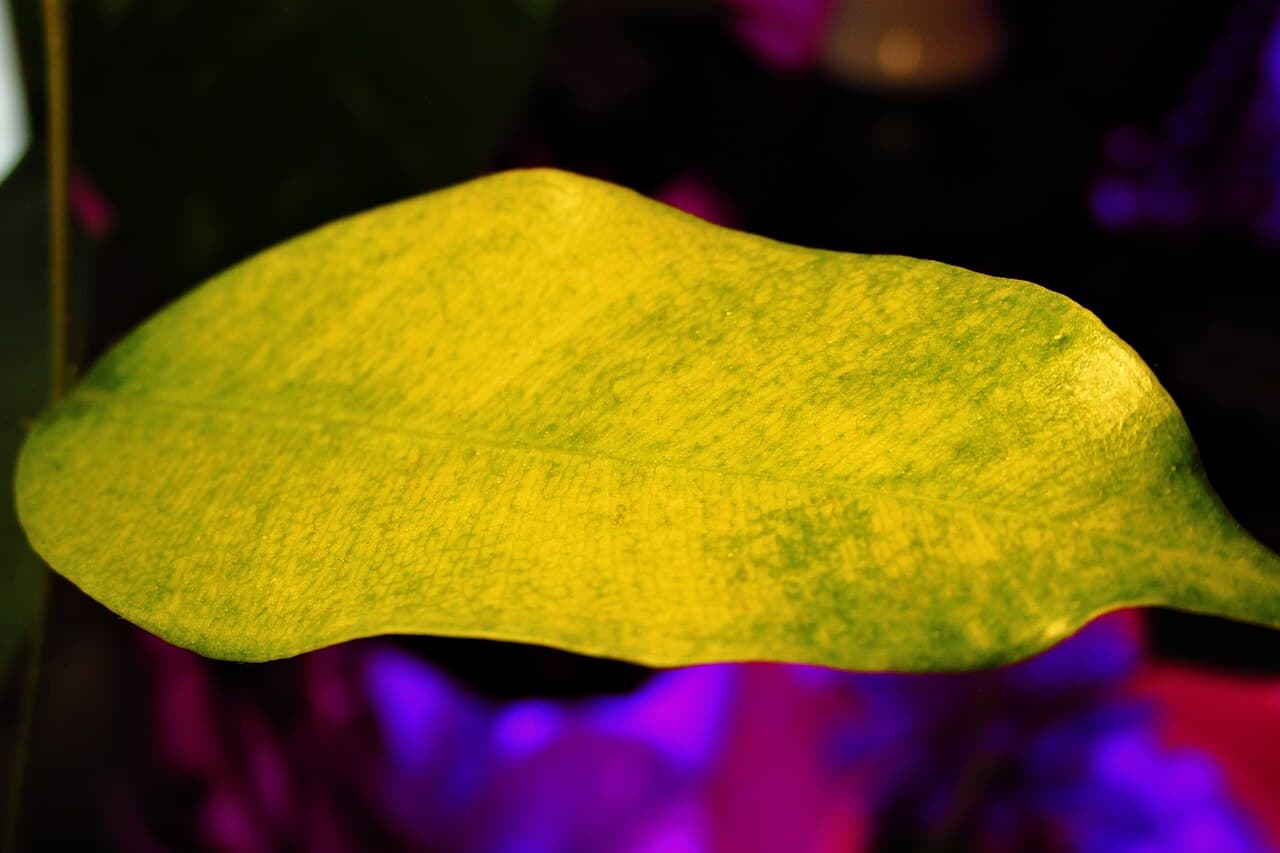
.jpg)
Check these first
- Check if the soil is soggy or bone dry.
- Ensure the pot has proper drainage holes.
- Look for signs of pests near the yellowing areas.
Likely causes
Overwatering
Most likelyHow to tell: The fronds turn yellow and feel soft or mushy. The soil may stay wet for a long time after watering.
What to do: Allow the top inch of soil to dry out before watering again. Ensure your pot has drainage holes so excess water can escape.
Underwatering
PossibleHow to tell: The fronds turn yellow and become brittle or crispy. The soil pulls away from the edges of the pot.
What to do: Soak the root ball thoroughly by placing the pot in a sink of water for 15 minutes. Resume a regular schedule of checking the soil every 3 to 7 days.
When to worry
A few yellowing fronds at the base of the plant are normal as the fern grows. Worry if the yellowing is widespread across the whole plant.
Stopping it coming back
Stick to a consistent watering schedule based on the feel of the soil. Never let the plant sit in standing water.
Not sure which one it is? Photograph your western sword fern.
This page lists the usual causes. Pocket Botanist looks at your actual leaf and tells you the likely cause, how serious it is, and what to try first. Identification and a health check are free.


Questions people ask
- Should I fertilize a yellowing fern?
- No, do not fertilize a stressed plant. Wait until the fern is healthy and actively growing again.
- Is it getting too much light?
- Western sword ferns prefer shade. If the plant is in direct sun, the leaves may bleach or yellow from heat stress.
More problems with Western sword fern
Back to the Western sword fern guide
This article was generated with AI from the plant’s care profile and is general information, not horticultural advice. Read about how we build these guides.