 Pocket Botanist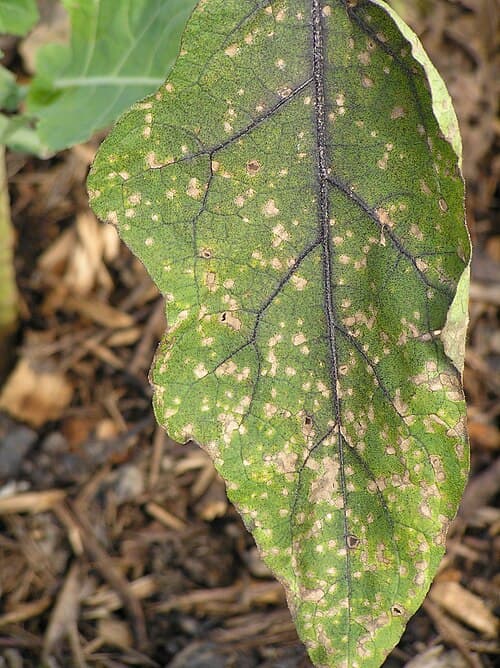

Check these first
- Check if the leaves are staying wet after misting.
- Inspect the soil to see if it is soggy.
- Look for signs of poor airflow.
Likely causes
Fungal Leaf Spot
Most likelyHow to tell: Small dark or black spots appear on the foliage, sometimes with a yellow halo. This usually happens when the leaves stay wet for too long.
What to do: Remove the affected leaves immediately to stop the spread. Improve air circulation by moving the plant to a spot with better airflow.
Overwatering
PossibleHow to tell: The spots appear alongside soft or mushy leaf bases. The soil stays wet for more than 10 days.
What to do: Reduce your watering frequency. Ensure the pot has excellent drainage and never let the plant sit in a saucer of standing water.
When to worry
Small, isolated spots are manageable, but if they cover more than half the leaf surface, the plant is in distress. Act quickly to prevent the infection from reaching the stem.
Stopping it coming back
Avoid misting the leaves directly and ensure the plant has plenty of space for air to move around it.
Not sure which one it is? Photograph your screw pine.
This page lists the usual causes. Pocket Botanist looks at your actual leaf and tells you the likely cause, how serious it is, and what to try first. Identification and a health check are free.


Questions people ask
- Can I use a fungicide?
- You can use a copper-based fungicide if the spots continue to spread. Always follow the label instructions carefully.
- Is this contagious to my other plants?
- Yes, fungal spores can spread through the air or water splashes. Isolate the affected plant until the spots stop appearing.
More problems with Screw pine
This article was generated with AI from the plant’s care profile and is general information, not horticultural advice. Read about how we build these guides.