 Pocket Botanist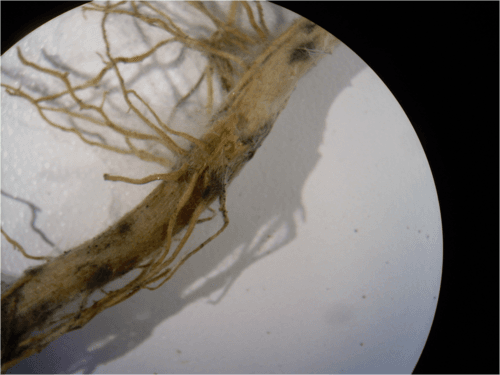

Check these first
- Smell the soil for a foul or swampy odor.
- Gently lift the plant to see if the roots are mushy.
- Check if the pot has adequate drainage holes.
Likely causes
Poor drainage
Most likelyHow to tell: The soil smells sour or musty and the roots appear brown and mushy instead of firm and white.
What to do: Remove the plant from its pot and trim away all soft, decayed roots with sterilized scissors. Repot the plant into fresh, well draining soil and a clean container.
Excessive watering
Most likelyHow to tell: The plant looks sickly and the soil stays wet for more than a week.
What to do: Adjust your watering frequency to allow the top inch of soil to dry out between waterings. Always empty the drainage tray after watering.
When to worry
If the majority of the root system is black and mushy, the plant may be beyond saving. Act as soon as you notice the first signs of wilting or discoloration.
Stopping it coming back
Use a high quality potting mix with perlite for aeration and never let the plant sit in standing water.
Not sure which one it is? Photograph your nutmeg.
This page lists the usual causes. Pocket Botanist looks at your actual leaf and tells you the likely cause, how serious it is, and what to try first. Identification and a health check are free.


Questions people ask
- Can I save a plant with severe root rot?
- It is difficult, but possible if you catch it early. You must remove all infected roots and provide a fresh, sterile environment for the remaining healthy roots.
- Does the pot material matter?
- Yes, porous pots like terracotta help the soil dry out faster, which can help prevent root rot. Plastic pots hold moisture longer and require more careful watering.
More problems with Nutmeg
This article was generated with AI from the plant’s care profile and is general information, not horticultural advice. Read about how we build these guides.