 Pocket Botanist
Plant guide
Velvet tree.
Miconia calvescens
Pronounced my-KOH-nee-uh kal-VESS-enz
Also known as Bush Currrant, Bush currant, Purple plague, Velvet tree, Purple plague, bush currant, miconia, velvet tree



Scan with your phone's camera to get the app
Or go to pocketbotanist.app/get on your phone
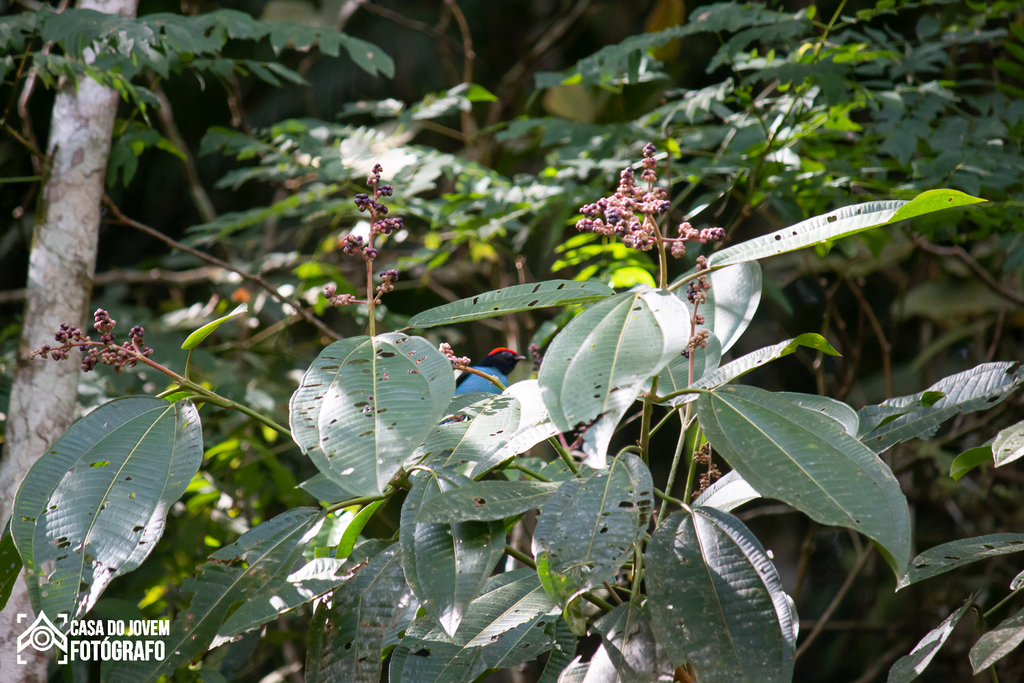
This striking tropical plant is famous for its massive, velvety leaves that feature beautiful purple undersides. It is considered a highly invasive species in many tropical regions, so please be mindful of your local environment. It brings a bold, dramatic look to any space that can accommodate its large size.

At a glance
- Care level
- Moderate
- Plant type
- Tropical evergreen tree
- Light
- Bright, filtered light is best to prevent leaf scorch.
- Indoor light
- Bright indirect
- Water
- Every 3 to 7 days
- Mature size
- 15 to 50 feet in the wild
- Growth rate
- Fast
- Hardiness
- USDA 10 to 12
- Bloom time
- Sporadic throughout the year
Care
Keep the soil consistently moist but never soggy to mimic its native rainforest home. Watch for drooping leaves as a sign that the plant is thirsty or experiencing low humidity. Provide plenty of space, as this plant grows quite rapidly.
- Watering
- Water when the top inch of soil feels slightly dry to the touch.
- Feeding
- Use a balanced liquid fertilizer during the active growing season.
- Pruning
- Trim back long stems to maintain a manageable size and encourage bushier growth.
- Repotting
- Move to a larger container once the roots begin to circle the bottom of the pot.
- Soil
- Rich, well draining, organic potting mix
- Soil pH
- 5.5 to 6.5
- Temperature
- 15 to 30°C
- Humidity
- 70 to 95%
- Drought tolerance
- Low
- Lifespan
- Perennial, typically 10 to 20 years
- Deer and rabbits
- Moderate
Signs it needs repotting
- Roots growing out of the drainage holes
- Stunted growth despite regular feeding
- Soil drying out very quickly
Safety
- People
- There are no known reports of significant toxicity to humans.
- Pets
- There is no widely documented evidence of toxicity to cats or dogs, but it is best to keep pets from chewing on the foliage.
- Children
- The small berries may pose a choking hazard to small children if ingested.
- Contact allergens
- The leaves have a rough, sandpaper texture that can cause minor skin irritation.
- Airborne allergens
- There is no evidence of significant airborne allergens.
- Edibility
- The fruit is technically edible but generally considered unpalatable and not recommended for human consumption.
How to identify it
- Large, velvety, dark green leaves
- Deep purple leaf undersides
- Prominent longitudinal leaf veins
- Small white or pink flowers
- Tiny, dark purple berry clusters
- Height
- 4 to 15m
- Spread
- 3 to 8m
- Leaves
- green, purple, evergreen
- Flowers
- white, pink, 0.5 to 1cm
- Fruit
- blue, purple, Year round
Problems to watch for
- Root rot · Occurs when soil remains waterlogged for extended periods.
Check your velvet tree from a photo
Pocket Botanist looks at a photo of your plant and tells you what's wrong and what to try first.
Scan with your phone's camera to get the app
Or go to pocketbotanist.app/get on your phone
Growing it
- Propagation
- seed, cuttings
- When to plant
- spring, summer
- Overwintering
- Move the plant to a warm, frost free location indoors if temperatures drop below 15 degrees Celsius. Maintain high humidity and reduce watering slightly during the cooler months.
- In containers
- It can be grown in a large container, but requires a pot at least 50 cm wide to support its rapid growth.
Seed
- 1. Collect ripe berries from the tree.
- 2. Clean the seeds thoroughly to remove pulp.
- 3. Sow seeds on the surface of moist, sterile potting mix.
- 4. Keep in a warm, humid environment until germination.
Keep this plant isolated from native forest edges to prevent uncontrolled spread.
Grows well with
- Heliconia · They share similar requirements for high humidity and filtered light.
Similar species
- Miconia argentea · It shares a similar growth habit but has distinct silvery leaf undersides.
Science
- Family
- Melastomataceae
- Genus
- Miconia
- Order
- Myrtales
- Class
- Magnoliopsida
- Native range
- Mexico, Central America, and South America
- Conservation
- It is considered a major invasive weed in many tropical regions and should not be planted outside its native range.
It is a pioneer species that quickly colonizes gaps in the rainforest canopy.
- Value to wildlife
- food source for birds
- Pollinators
- bees
- Uses
- ornamental in native range, botanical interest
Through the year
Ecological indicators
- Salinity
- 1/9
- Soil reaction
- 6/9
- Light
- 4/9
- Temperature
- 9/9
- Moisture
- 8/9
- Nutrients
- 6/9
Taxonomy resolved against GBIF.
Questions people ask
- Can I grow this in a pot?
- It is possible in a large container, but it is not recommended due to its invasive potential.
- Why is it considered invasive?
- It grows rapidly and shades out native vegetation, leading to a loss of biodiversity.
Where the name comes from
The genus name honors the Spanish physician and botanist Francisco Micó, while the species name refers to the hairless or smooth appearance of the leaf veins.
Good to know
- It is often called the purple plague due to the color of its leaves.
- A single tree can produce millions of seeds per year.
- The leaves can grow up to 1 meter in length.
- It thrives in the shade of dense tropical canopies.
Also in
Keep your velvet tree growing
This page is a general guide. Save your plant in Pocket Botanist and you get care reminders timed for this plant, plus a care history that shows what worked.
Scan with your phone's camera to get the app
Or go to pocketbotanist.app/get on your phone
This guide was generated with AI on and checked against GBIF taxonomy. It is general information, not horticultural or veterinary advice. Read about how we build these guides.