 Pocket Botanist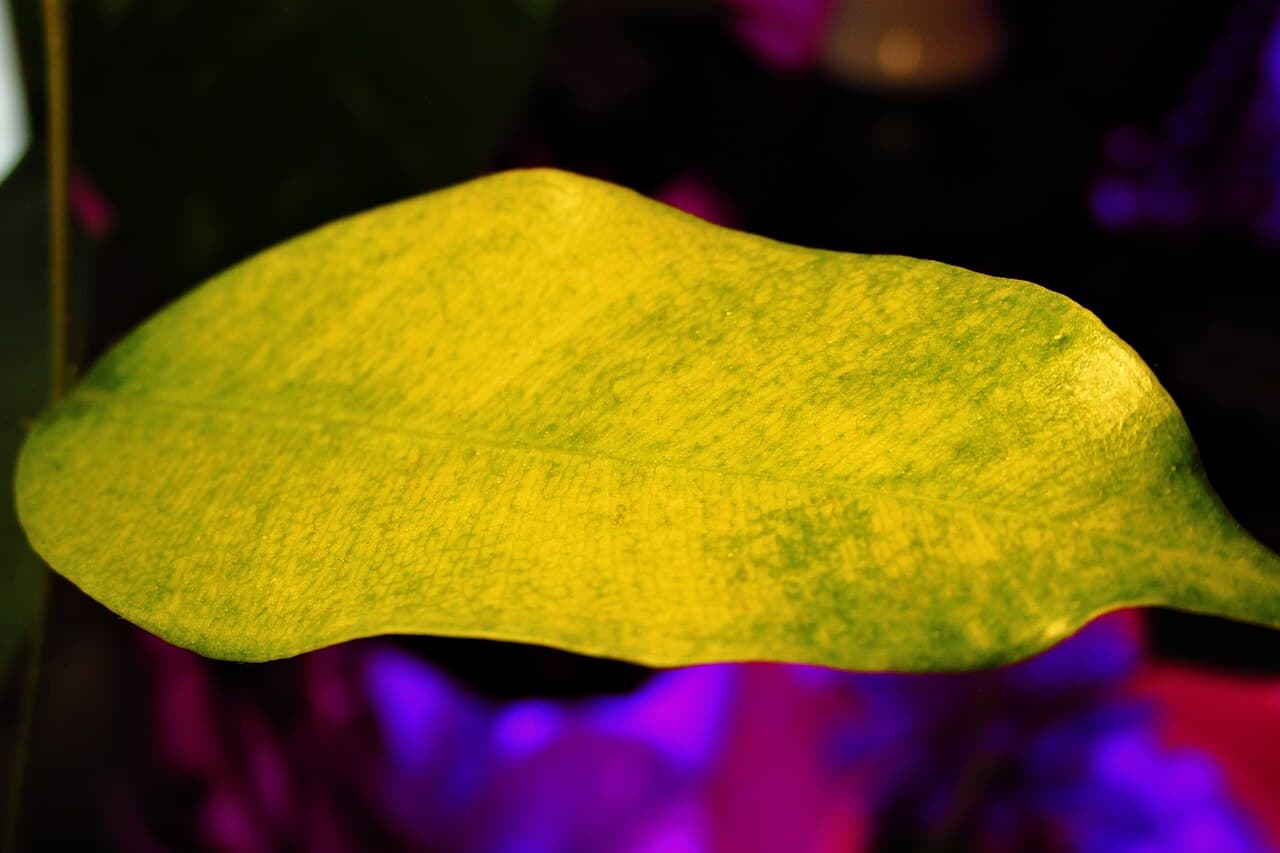
.jpg)
Check these first
- Feel the soil 3 inches deep.
- Check the area for standing water.
- Look for signs of pests on the undersides of leaves.
Likely causes
Overwatering
Most likelyHow to tell: The lower leaves turn yellow and feel soft or mushy to the touch. The soil remains damp for more than two weeks.
What to do: Stop watering immediately until the top 3 inches of soil feel dry. Ensure your planting site has good drainage and is not sitting in a low spot where water pools.
Nitrogen deficiency
PossibleHow to tell: Older leaves turn yellow while the veins stay green. This usually happens in very poor or sandy soil.
What to do: White sweet clover is a legume that fixes its own nitrogen, but if the soil is extremely depleted, add a light layer of compost. Avoid heavy chemical fertilizers as they can actually stop the plant from fixing its own nitrogen.
When to worry
Worry if the yellowing spreads rapidly across the entire plant. A few yellow leaves at the very bottom of a mature plant are normal as it ages.
Stopping it coming back
Water only when the top few inches of soil are dry and ensure the plant gets full sun to keep the soil surface from staying soggy.
Not sure which one it is? Photograph your white sweet clover.
This page lists the usual causes. Pocket Botanist looks at your actual leaf and tells you the likely cause, how serious it is, and what to try first. Identification and a health check are free.


Questions people ask
- Should I cut off the yellow leaves?
- Yes, you can snip them off with clean scissors to keep the plant looking tidy. This also helps you see if the yellowing continues to spread.
- Does yellowing mean my plant is dying?
- Not necessarily. It is usually a stress response that can be corrected by adjusting your watering schedule.
More problems with White sweet clover
Back to the White sweet clover guide
This article was generated with AI from the plant’s care profile and is general information, not horticultural advice. Read about how we build these guides.