 Pocket Botanist
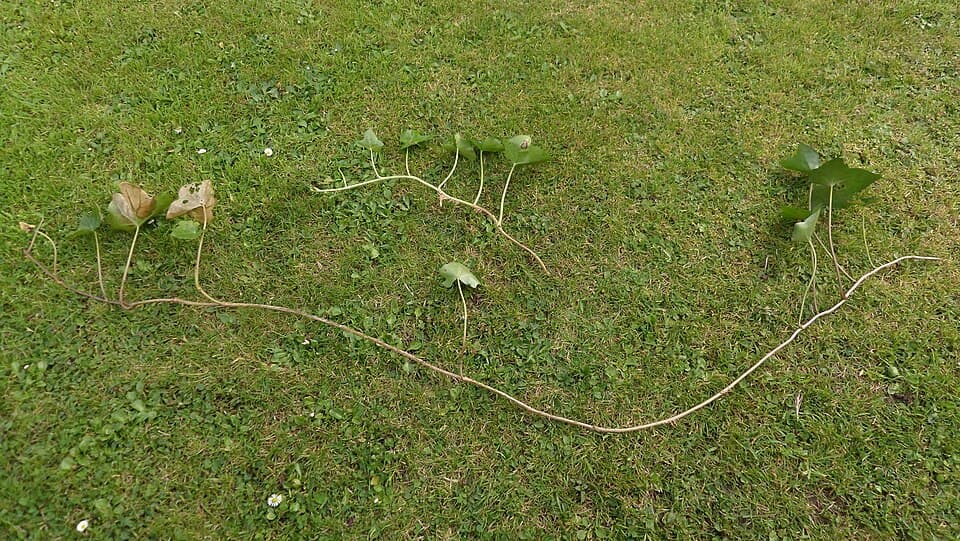

Check these first
- Assess the light intensity in the current spot.
- Rotate the pot to ensure even light exposure.
- Check if nearby objects are blocking the light.
Likely causes
Insufficient light
Most likelyHow to tell: The leaves are long, thin, and pale, and the plant is leaning heavily toward a light source.
What to do: Move the plant to a brighter location with filtered light. While it likes shade, it still needs enough light to maintain a compact shape.
Crowding
PossibleHow to tell: The plant is tightly packed with other plants, blocking its access to ambient light.
What to do: Give the plant more space by moving it away from other foliage. This allows better airflow and light penetration.
Find out what's wrong with your greater wood-rush
The list above covers the usual causes. Pocket Botanist looks at a photo of your actual plant and tells you the likely cause, how serious it is, and what to try first. Identification and a health check are free.



Scan with your phone's camera to get the app
Or go to pocketbotanist.app/get on your phone
When to worry
If the plant is so weak it cannot stand up, it needs more light immediately. It is normal for the plant to have a slightly looser habit in very deep shade.
Stopping it coming back
Place the plant in a spot with consistent, bright, indirect light. Rotate the pot every few weeks to keep growth even.
Greater wood-rush: leggy growth? Check yours with a photo
Every plant is a little different. Take a photo of your greater wood-rush and Pocket Botanist tells you which cause is most likely, how serious it is, and what to try first. A few checks a day are free. Save the plant and you get care reminders timed for it.
Scan with your phone's camera to get the app
Or go to pocketbotanist.app/get on your phone
Get the app · Or check it from a photo now, free
Questions people ask
- Will the leggy leaves turn back to normal?
- No, the existing leaves will stay as they are. New growth will be more compact once you provide better light.
- Should I prune the leggy stems?
- You can trim them back to encourage a fresh flush of growth. This helps the plant look fuller over time.
More problems with Greater wood-rush
Back to the Greater wood-rush guide
This article was generated with AI on from the plant’s care profile and is general information, not horticultural advice. Read about how we build these guides.