 Pocket Botanist
Plant guide
Wax vine.
Hoya linearis
Pronounced HOY-uh lin-ee-AIR-iss



Scan with your phone's camera to get the app
Or go to pocketbotanist.app/get on your phone
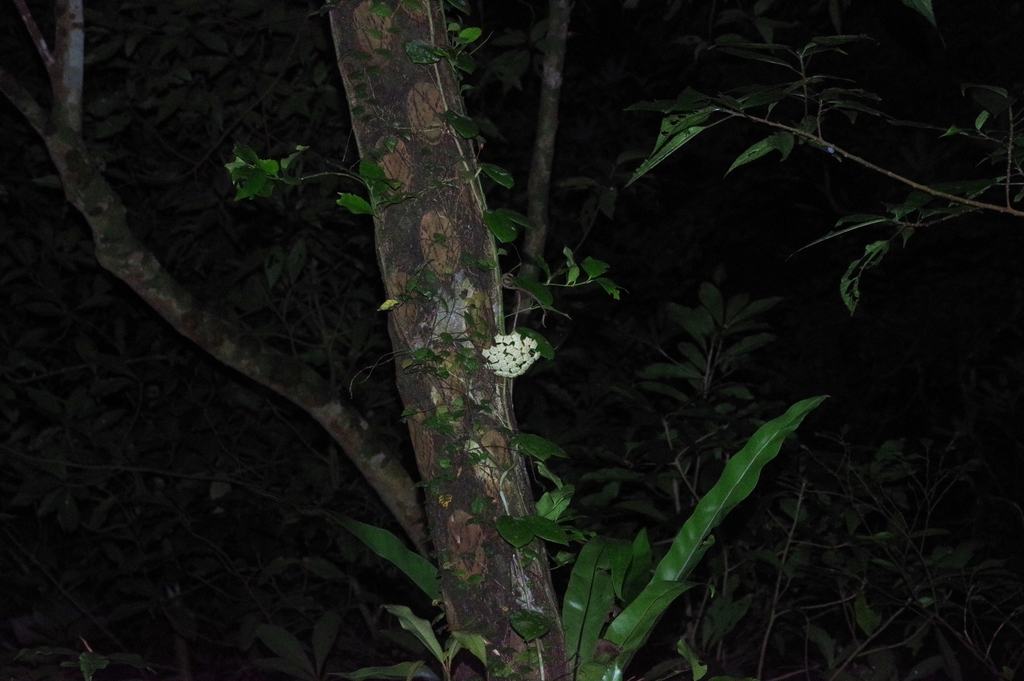
This unique Hoya features long, slender, fuzzy leaves that hang down in beautiful, cascading stems. It is a lovely choice for a hanging basket where its delicate foliage can really shine. You will love how it looks when it produces clusters of fragrant, star shaped flowers.
At a glance
- Care level
- Moderate
- Plant type
- Epiphytic trailing vine
- Light
- Bright, indirect light is best to keep the stems full and healthy.
- Indoor light
- Bright indirect
- Water
- Every 7 to 14 days
- Mature size
- Stems can reach 3 to 5 feet long.
- Growth rate
- Medium
- Hardiness
- USDA 10 to 12
- Bloom time
- Late summer to early autumn
Care
Keep this plant in a spot with high humidity and avoid letting it sit in soggy soil. Watch for yellowing leaves, which often signal that the plant is getting too much water. It prefers to dry out slightly between waterings to keep its roots happy.
- Watering
- Water when the top inch of soil feels dry to the touch.
- Feeding
- Use a balanced liquid fertilizer diluted to half strength during the growing season.
- Pruning
- Trim back long stems in early spring if you want to encourage a bushier shape.
- Repotting
- Only repot when the plant becomes root bound, as Hoyas prefer a snug fit.
- Soil
- Well draining, airy potting mix with orchid bark or perlite.
- Soil pH
- 6.0 to 7.0
- Temperature
- 15 to 27°C
- Humidity
- 60 to 80%
- Drought tolerance
- Low
- Lifespan
- Perennial, typically 5 to 10 years
- Fragrance
- Strong
- Deer and rabbits
- Moderate
Signs it needs repotting
- Roots growing out of the drainage holes
- Water running straight through the pot without soaking in
- Stunted growth during the active season
Safety
- People
- The plant contains milky sap that can cause mild irritation if it touches the skin or eyes.
- Pets
- This plant is generally considered non toxic to cats and dogs.
- Children
- Keep this plant out of reach of small children, as the stems are fragile and the sap is irritating if ingested or touched.
- Contact allergens
- The milky latex sap may cause skin irritation in sensitive individuals.
- Airborne allergens
- The flowers produce a strong fragrance that might bother those with sensitivities to floral scents.
- Edibility
- This plant is not considered edible and should be kept away from food preparation areas.
How to identify it
- Long, thin, needle like leaves
- Fuzzy leaf texture
- Cascading, pendulous growth habit
- Clusters of white, fragrant flowers
- Height
- 0.3 to 1.5m
- Spread
- 0.2 to 0.4m
- Leaves
- green, pale green, evergreen
- Flowers
- white, cream, 1 to 2cm
Problems to watch for
- Mealybugs · These small white insects hide in the crevices of the stems and suck sap from the plant.
- Root rot · Overwatering or poor drainage leads to decaying roots and yellowing foliage.
Check your wax vine from a photo
Pocket Botanist looks at a photo of your plant and tells you what's wrong and what to try first.
Scan with your phone's camera to get the app
Or go to pocketbotanist.app/get on your phone
Growing it
- Propagation
- cuttings
- When to plant
- spring, summer
- Overwintering
- Keep the plant in a bright spot away from cold drafts or heating vents. Reduce watering slightly during the cooler months when growth slows down.
- In containers
- It is an excellent choice for hanging baskets, which allow its long, trailing stems to drape gracefully.
Stem Cuttings
- 1. Take a 10 cm cutting from a healthy stem.
- 2. Remove the lower leaves to expose the nodes.
- 3. Place the cutting in water or moist perlite.
- 4. Keep in a warm, bright spot until roots appear.
- 5. Pot into a well draining soil mix.
Group this plant with other humidity loving species to create a microclimate that helps maintain consistent moisture levels.
Grows well with
- Orchids · They share similar epiphytic growing requirements and light preferences.
- Ferns · Ferns enjoy the same high humidity levels that this Hoya thrives in.
Similar species
- Wax Plant · It is a much more common, robust relative with thicker, waxy leaves.
- String of Needles · It shares a similar trailing habit and thin foliage appearance.
Science
- Family
- Apocynaceae
- Genus
- Hoya
- Order
- Gentianales
- Class
- Magnoliopsida
- Native range
- Himalayas, China, and parts of Southeast Asia
- Conservation
- This species is increasingly rare in its native habitat due to deforestation and over collection.
It grows as an epiphyte in high altitude forests, clinging to tree branches where it receives dappled light and high humidity.
- Value to wildlife
- nectar source
- Pollinators
- moths
- Uses
- hanging basket plant, indoor ornamental
Through the year
Ecological indicators
- Salinity
- 1/9
- Soil reaction
- 6/9
- Light
- 6/9
- Temperature
- 7/9
- Moisture
- 5/9
- Nutrients
- 3/9
Taxonomy resolved against GBIF.
Questions people ask
- Does it need direct sun?
- It prefers bright, indirect light and can get scorched in harsh, direct sun.
- How often should I water it?
- Water when the top inch of soil feels dry, but be careful not to let it sit in soggy soil.
Where the name comes from
The genus Hoya honors the English gardener Thomas Hoy, while the specific epithet linearis refers to the plant's long, thin, linear leaves.
Good to know
- It is native to the Himalayan region.
- The flowers have a lovely lemon like scent.
- It prefers cooler temperatures than many other tropical Hoyas.
- The stems can grow quite long, making it perfect for hanging baskets.
Keep your wax vine growing
This page is a general guide. Save your plant in Pocket Botanist and you get care reminders timed for this plant, plus a care history that shows what worked.
Scan with your phone's camera to get the app
Or go to pocketbotanist.app/get on your phone
This guide was generated with AI on and checked against GBIF taxonomy. It is general information, not horticultural or veterinary advice. Read about how we build these guides.