 Pocket Botanist
Plant guide
Coral Bells.
Heuchera sanguinea
Pronounced HEW-ker-uh san-GWIN-ee-uh
Also known as Coral Bells, Coralbells



Scan with your phone's camera to get the app
Or go to pocketbotanist.app/get on your phone
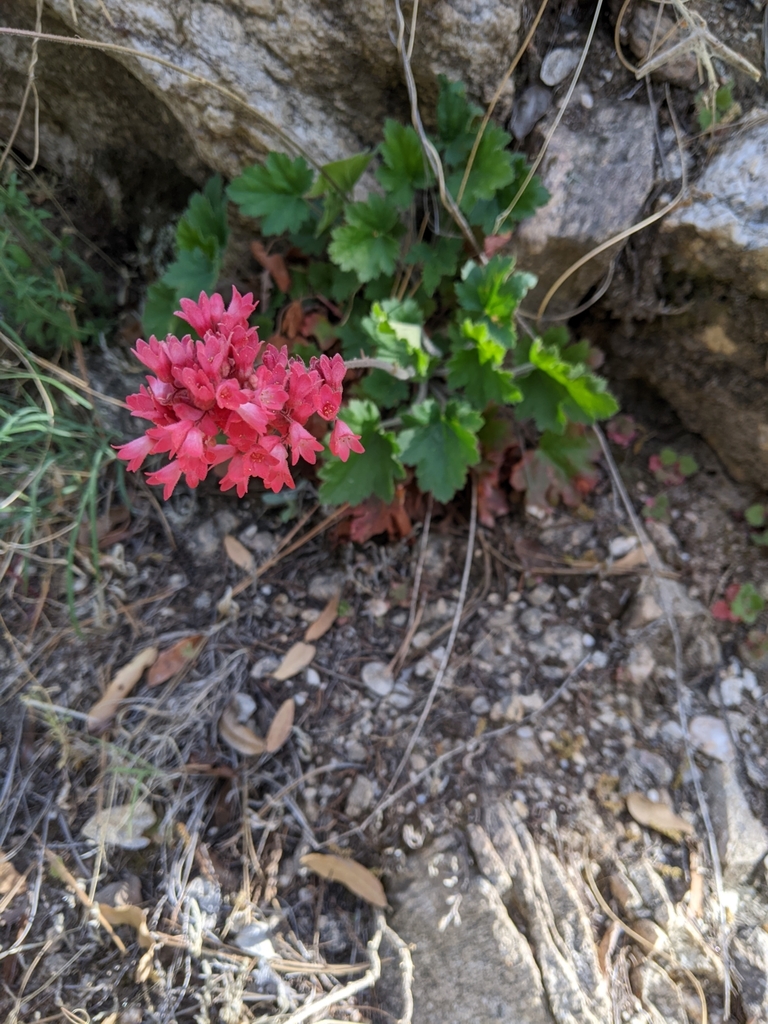
Coral bells are lovely perennials known for their delicate, bell shaped flowers and attractive foliage. They thrive in garden beds or containers and add a nice touch of color to shady spots. You'll find they are quite hardy and bring a bit of charm to any landscape.
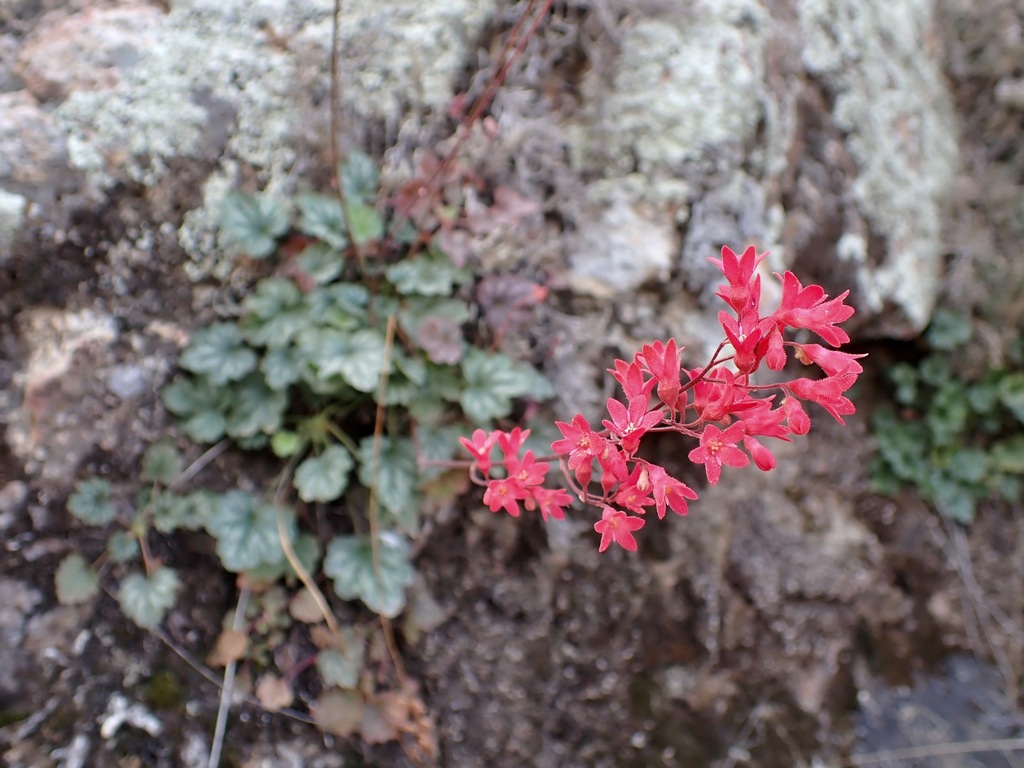
At a glance
- Care level
- Easy
- Plant type
- Perennial
- Light
- Partial shade to full sun in cooler climates
- Indoor light
- Bright indirect
- Water
- Every 3 to 7 days
- Mature size
- 1 to 2 feet tall
- Growth rate
- Medium
- Hardiness
- USDA 3 to 8
- Bloom time
- Late spring to mid summer
Care
Keep the soil consistently moist but never soggy to prevent root issues. Watch for wilting leaves as a sign they need a drink, and remove spent flower stalks to encourage more blooms. Ensure the crown stays slightly above the soil line to avoid rot.
- Watering
- Water when the top inch of soil feels dry to the touch.
- Feeding
- Apply a balanced liquid fertilizer during the active growing season.
- Pruning
- Trim back dead or damaged foliage in early spring to refresh the plant.
- Repotting
- Repot when the plant becomes crowded or the crown pushes above the soil.
- Soil
- Well draining, humus rich soil
- Soil pH
- 6.0 to 7.0
- Temperature
- -25 to 35°C
- Humidity
- 40 to 70%
- Drought tolerance
- Moderate
- Lifespan
- Perennial, typically 5 to 10 years
- Deer and rabbits
- Moderate
Signs it needs repotting
- Roots growing out of the drainage holes
- Stunted growth despite regular care
- Soil pulling away from the sides of the pot
Safety
- People
- The plant is generally considered non toxic to humans.
- Children
- While not toxic, the plant should be kept away from small children to prevent accidental ingestion of foliage.
- Contact allergens
- The foliage can cause mild skin irritation in sensitive individuals due to fine hairs.
- Airborne allergens
- There are no significant reports of respiratory allergies associated with this plant.
- Edibility
- This plant is not considered edible and should not be consumed.
How to identify it
- Clusters of tiny bell shaped flowers
- Mounded habit of basal leaves
- Leaves often have marbled patterns
- Slender flower spikes rising above foliage
- Height
- 0.3 to 0.5m
- Spread
- 0.3 to 0.45m
- Leaves
- green, semi-evergreen
- Flowers
- red, pink, 0.5 to 1cm
Problems to watch for
- Vine weevil · Larvae feed on roots, which can cause the plant to collapse.
- Powdery mildew · A fungal infection that appears as white dust on the leaves.
Check your coral bells from a photo
Pocket Botanist looks at a photo of your plant and tells you what's wrong and what to try first.
Scan with your phone's camera to get the app
Or go to pocketbotanist.app/get on your phone
Growing it
- Propagation
- division, seed
- When to plant
- spring, autumn
- Overwintering
- Apply a light layer of mulch around the base to protect the crown from frost heaving. If you live in a very cold area, you can cover the foliage with evergreen boughs.
- In containers
- They grow very well in containers, provided the pot has excellent drainage and is at least 25 centimeters wide.
Division
- Dig up the entire clump in early spring.
- Gently pull the woody crown apart into smaller sections.
- Ensure each section has healthy roots and some leaves.
- Replant immediately in well draining soil.
Plant them with other shade lovers that enjoy consistent moisture to create a lush woodland look.
Grows well with
- Hosta · They share similar light and moisture requirements.
- Ferns · They provide a beautiful textural contrast in shade gardens.
Similar species
- Heuchera americana · It is another popular species known for its attractive, marbled foliage.
Science
- Family
- Saxifragaceae
- Genus
- Heuchera
- Order
- Saxifragales
- Class
- Magnoliopsida
- Native range
- Southwestern United States and Mexico
- Conservation
- This species is not currently listed as endangered or threatened.
It grows naturally on rocky cliffs and in mountain woodlands where it finds cool, well drained soil.
- Value to wildlife
- nectar source
- Pollinators
- bees, butterflies, hummingbirds
- Uses
- border plant, rock garden, container plant, pollinator garden
Through the year
Ecological indicators
- Salinity
- 2/9
- Soil reaction
- 6/9
- Light
- 4/9
- Temperature
- 5/9
- Moisture
- 5/9
- Nutrients
- 5/9
Taxonomy resolved against GBIF.
Questions people ask
- How often should I divide my coral bells?
- Divide them every 3 to 4 years in spring or fall to keep the plants vigorous.
- Do they need full sun?
- They prefer partial shade, especially in hotter climates.
Where the name comes from
The name Heuchera honors the German botanist Johann Heinrich von Heucher, while sanguinea refers to the blood red color of the flowers.
Good to know
- It is commonly known as coral bells.
- The genus name honors Johann Heinrich von Heucher, an 18th century German physician.
- It thrives in partial shade where the soil stays cool.
- The foliage often remains green through mild winters.
Keep your coral bells growing
This page is a general guide. Save your plant in Pocket Botanist and you get care reminders timed for this plant, plus a care history that shows what worked.
Scan with your phone's camera to get the app
Or go to pocketbotanist.app/get on your phone
This guide was generated with AI on and checked against GBIF taxonomy. It is general information, not horticultural or veterinary advice. Read about how we build these guides.