 Pocket Botanist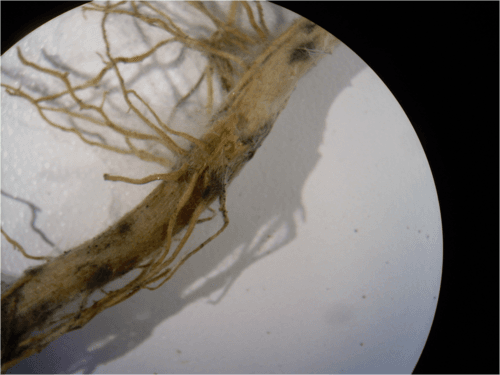

Check these first
- Check the soil moisture at a depth of 3 to 4 inches.
- Smell the soil for a sour or rotten odor.
- Gently pull on the plant to see if it feels loose in the ground.
Likely causes
Poor drainage
Most likelyHow to tell: The leaves may turn yellow or brown and drop prematurely while the soil remains soggy. The roots will look mushy and dark rather than firm and white.
What to do: Stop watering immediately and allow the soil to dry out completely. If the plant is in a container, repot it into a well draining mix and trim away any black, slimy roots.
Overwatering
Most likelyHow to tell: The plant shows signs of stress like drooping or yellowing leaves because the roots cannot breathe in saturated soil. The soil surface may even develop a layer of moss or algae.
What to do: Adjust your watering schedule to ensure the soil dries out fully between waterings. For established Toyon in the ground, ensure the area is not collecting runoff from other sources.
When to worry
If the base of the stem feels soft or mushy, the rot may have already reached the crown, which is often fatal. If the plant is just showing mild yellowing, it can usually recover with better drainage.
Stopping it coming back
Only water when the soil is completely dry, which for a mature Toyon is often only once a month. Ensure the planting site has loose, aerated soil.
Not sure which one it is? Photograph your toyon.
This page lists the usual causes. Pocket Botanist looks at your actual leaf and tells you the likely cause, how serious it is, and what to try first. Identification and a health check are free.


Questions people ask
- How often should I water my Toyon?
- Once established, Toyon is very drought tolerant. Water deeply every 14 to 30 days, but only if the soil has dried out completely.
- Can I save a plant with root rot?
- If the damage is caught early, you can save it by improving drainage and reducing water. If more than half the root system is mushy, the plant likely cannot be saved.
More problems with Toyon
This article was generated with AI from the plant’s care profile and is general information, not horticultural advice. Read about how we build these guides.