 Pocket Botanist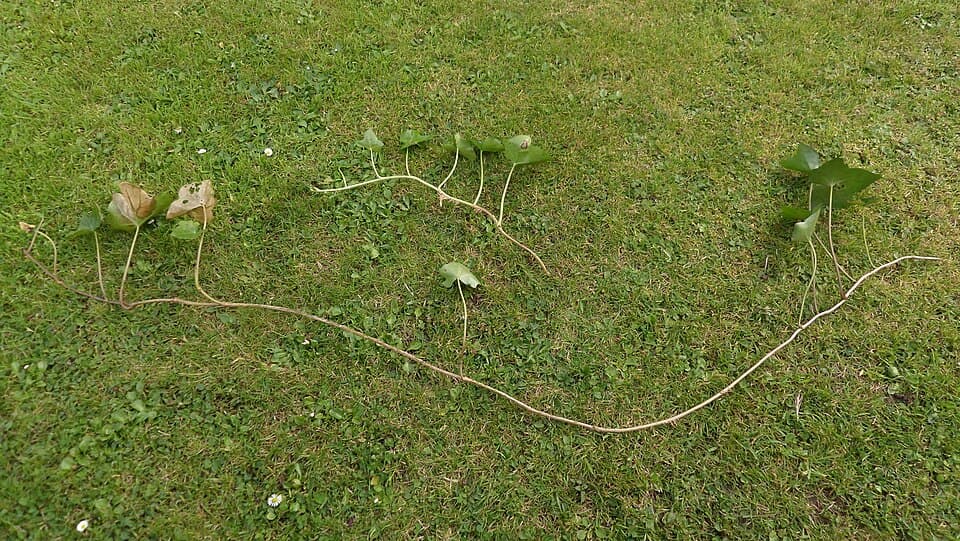

Check these first
- Measure the hours of direct sunlight the plant receives.
- Rotate the pot weekly so all sides get equal light.
- Check if nearby plants are shading your oxtongue.
Likely causes
Insufficient light
Most likelyHow to tell: The stems are long and thin with large gaps between the leaves.
What to do: Move the plant to a spot that receives at least 6 to 8 hours of direct sunlight daily. If indoors, a south facing window is best.
Excessive fertilizer
PossibleHow to tell: The plant grows very fast but the stems are weak and floppy.
What to do: Stop fertilizing for the rest of the season. The plant does not need extra nutrients if it is already growing quickly.
When to worry
Legginess is a sign of stress, but it is rarely fatal. You can prune back long stems to encourage a bushier shape once you provide more light.
Stopping it coming back
Keep the plant in a bright, sunny location throughout the year.
Not sure which one it is? Photograph your bristly oxtongue.
This page lists the usual causes. Pocket Botanist looks at your actual leaf and tells you the likely cause, how serious it is, and what to try first. Identification and a health check are free.


Questions people ask
- Can I fix the leggy stems?
- You can prune the long stems back to encourage new, compact growth. The plant will recover well if it has enough light.
- Does this plant need to be staked?
- If it is getting enough light, it should be sturdy enough to stand on its own. Staking is usually only needed if the plant is leaning toward a light source.
More problems with Bristly oxtongue
Back to the Bristly oxtongue guide
This article was generated with AI from the plant’s care profile and is general information, not horticultural advice. Read about how we build these guides.