 Pocket Botanist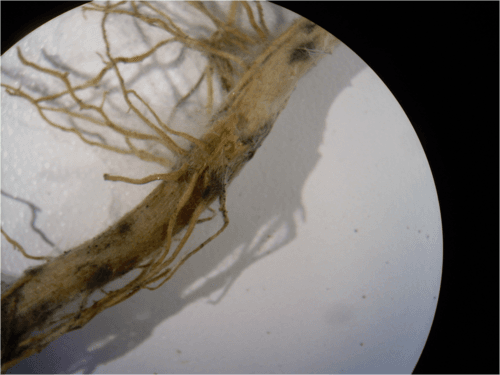

Check these first
- Feel the potting medium to see if it is soggy.
- Check if the pot has drainage holes.
- Gently lift the plant to inspect the roots for a brown, mushy appearance.
Likely causes
Overwatering
Most likelyHow to tell: The potting medium feels constantly wet or swampy to the touch. The leaves may start to droop or turn yellow.
What to do: Stop watering immediately and let the medium dry out. If the roots are mushy, remove the plant from the pot, trim away the dead brown roots with sterile scissors, and repot in fresh, well draining orchid bark.
Poor drainage
PossibleHow to tell: Water pools at the bottom of the pot because there are no drainage holes. The medium stays wet for more than a week.
What to do: Repot your orchid into a container that has plenty of drainage holes at the bottom. Ensure you use a coarse orchid mix that allows air to reach the roots.
When to worry
If the roots are black and smell foul, it is a serious emergency. If the roots are still firm and white or green, you can save the plant by adjusting your watering.
Stopping it coming back
Always let the top inch of the medium dry out before watering again. Use a chunky orchid bark mix to ensure the roots get enough oxygen.
Not sure which one it is? Photograph your tiger orchid.
This page lists the usual causes. Pocket Botanist looks at your actual leaf and tells you the likely cause, how serious it is, and what to try first. Identification and a health check are free.


Questions people ask
- How often should I water my Tiger orchid?
- Water every 3 to 7 days depending on your home temperature and humidity. Always touch the medium first to ensure it needs water.
- Can I save a plant with root rot?
- Yes, if you catch it early. Trim the dead roots and repot in fresh, dry medium.
More problems with Tiger orchid
Back to the Tiger orchid guide
This article was generated with AI from the plant’s care profile and is general information, not horticultural advice. Read about how we build these guides.