 Pocket Botanist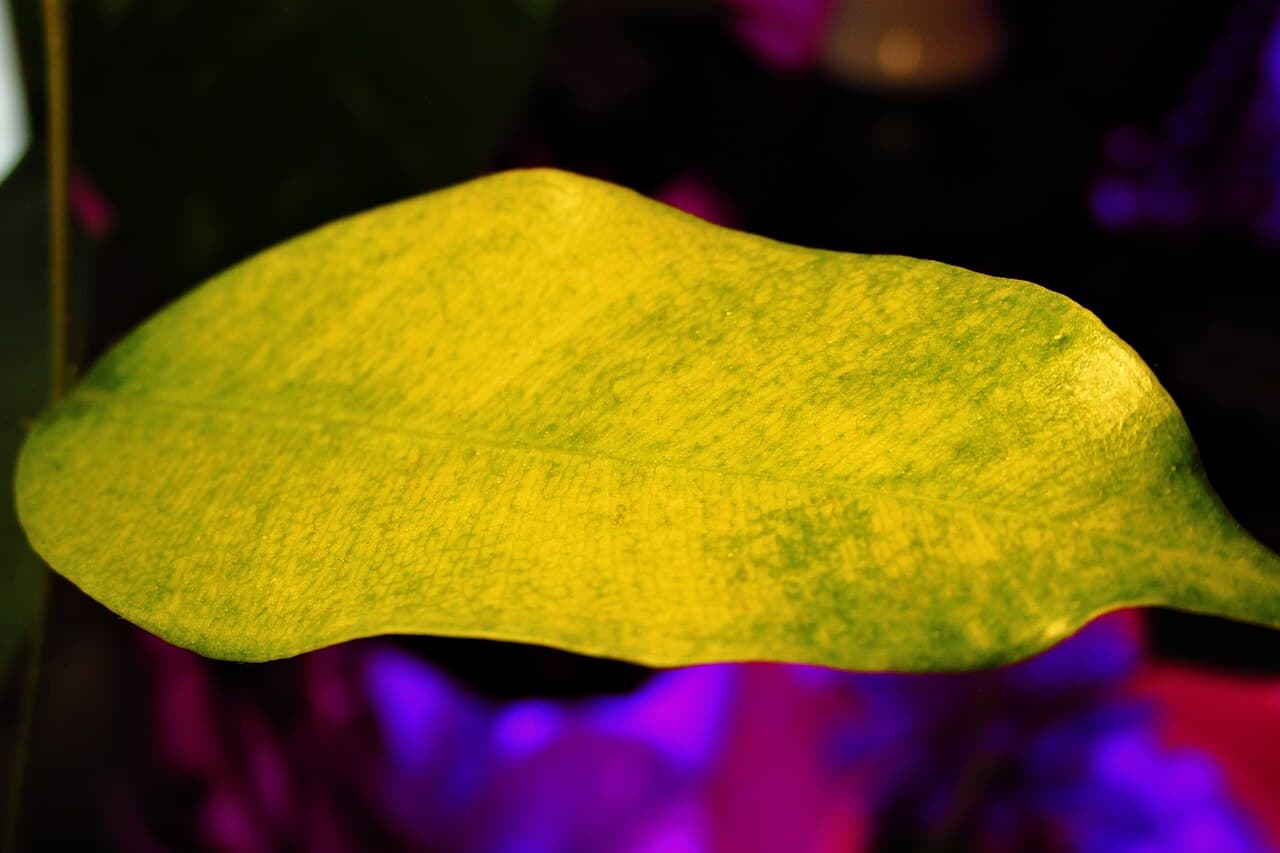
.jpg)
Check these first
- Check the soil moisture with your finger.
- Ensure the pot has proper drainage.
- Look for signs of root rot.
Likely causes
Overwatering
Most likelyHow to tell: The leaves turn yellow and the soil feels soggy or smells musty.
What to do: Let the top 2 inches of soil dry out before watering again. Ensure your pot has drainage holes so excess water can escape.
Underwatering
PossibleHow to tell: The leaves turn yellow and feel crispy or brittle.
What to do: Water the plant thoroughly until water runs out of the drainage holes. Maintain a schedule of watering every 5 to 10 days to keep the soil consistently moist.
When to worry
A single yellow leaf at the base of the plant is normal as the plant grows. If multiple leaves yellow at once, you need to adjust your care.
Stopping it coming back
Always check the soil moisture before adding more water. Never let the plant sit in standing water.
Not sure which one it is? Photograph your rattlesnake plant.
This page lists the usual causes. Pocket Botanist looks at your actual leaf and tells you the likely cause, how serious it is, and what to try first. Identification and a health check are free.


Questions people ask
- Should I cut off yellow leaves?
- Yes, you can remove them with clean shears. They will not turn green again and removing them helps the plant focus energy on new growth.
- Is it light related?
- Sometimes too much direct sun can bleach leaves, but usually, yellowing is a water issue. Keep the plant in bright indirect light.
More problems with Rattlesnake plant
Back to the Rattlesnake plant guide
This article was generated with AI from the plant’s care profile and is general information, not horticultural advice. Read about how we build these guides.