 Pocket Botanist
Plant guide
White Avens.
Geum canadense
Pronounced JEE-um kan-ah-DEN-see
Also known as Canada avens, White Avens



Scan with your phone's camera to get the app
Or go to pocketbotanist.app/get on your phone
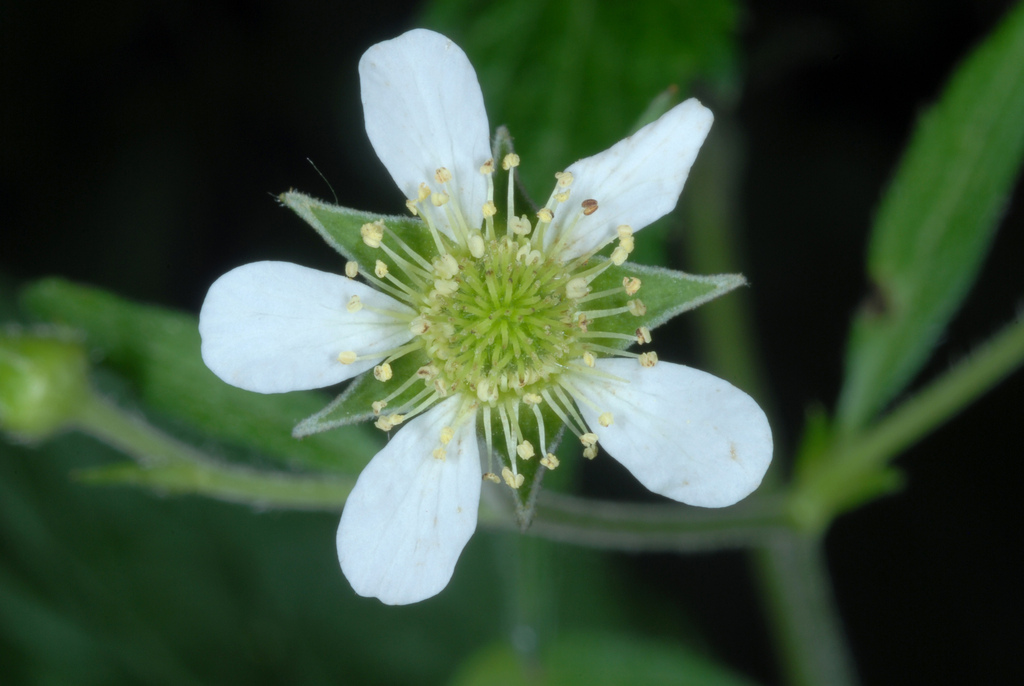
White Avens is a charming native perennial that brings a woodland feel to shaded garden spots. It produces delicate white flowers that attract various pollinators throughout the summer. You will find it is quite adaptable to different soil conditions in its natural range.
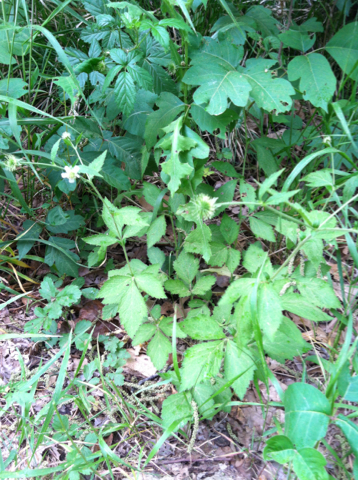
At a glance
- Care level
- Easy
- Plant type
- Perennial herb
- Light
- Partial shade to full shade
- Indoor light
- Medium light
- Water
- Every 3 to 7 days
- Mature size
- 2 to 3 feet
- Growth rate
- Medium
- Hardiness
- USDA 3 to 8
- Bloom time
- Late spring to mid summer
Care
Keep the soil consistently moist but avoid letting it sit in standing water. Watch for wilting during dry spells as this plant prefers steady hydration. Deadhead spent blooms to encourage a tidy appearance and prevent excessive self seeding.
- Watering
- Water when the top inch of soil feels dry to the touch.
- Feeding
- Apply a balanced organic fertilizer once during the spring growth spurt.
- Pruning
- Trim back dead foliage and spent flower stalks as needed throughout the season.
- Repotting
- Repot only if the plant becomes root bound in its container.
- Soil
- Moist, well draining woodland soil
- Soil pH
- 6.0 to 7.5
- Temperature
- -30 to 35°C
- Humidity
- 40 to 70%
- Drought tolerance
- Moderate
- Lifespan
- Perennial, typically 3 to 5 years.
- Deer and rabbits
- Moderate
Signs it needs repotting
- Roots growing out of drainage holes
- Water running straight through the pot
Safety
- People
- There are no reports of significant toxicity, but it is not considered an edible plant.
- Children
- Keep away from small children as the hooked seeds can be a nuisance if they get stuck in hair or clothing.
- Contact allergens
- The foliage can cause mild skin irritation in sensitive individuals.
- Airborne allergens
- The pollen is not considered a significant allergen.
- Edibility
- This plant is not typically consumed and should be avoided as its safety is not well documented.
How to identify it
- Small white five petaled flowers
- Pinnately compound basal leaves
- Hooked styles on mature seeds
- Stems covered in fine hairs
- Height
- 0.3 to 0.9m
- Spread
- 0.3 to 0.6m
- Leaves
- green, deciduous
- Flowers
- white, 1 to 2cm
- Fruit
- brown, late summer
Problems to watch for
- Powdery mildew · A white fungal growth on leaves that occurs when air circulation is poor.
Check your white avens from a photo
Pocket Botanist looks at a photo of your plant and tells you what's wrong and what to try first.
Scan with your phone's camera to get the app
Or go to pocketbotanist.app/get on your phone
Growing it
- Propagation
- seed, division
- When to plant
- spring, fall
- Overwintering
- Cut back dead foliage in late autumn to keep the area tidy. It is hardy and does not require special protection.
- In containers
- It can grow in containers, but prefers the stability of the ground.
Seed sowing
- 1. Collect seeds in late summer.
- 2. Sow directly in the garden in autumn.
- 3. Keep soil moist until germination.
Division
- 1. Dig up the clump in early spring.
- 2. Gently pull the root mass apart.
- 3. Replant immediately in moist soil.
Group this plant with other woodland natives to create a naturalistic forest floor effect.
Grows well with
- Wild Ginger · They share similar woodland habitat requirements.
- Columbine · They provide a nice contrast in flower shape and color.
Similar species
- Purple Avens · It is a related species with similar growth habits but different flower colors.
Science
- Family
- Rosaceae
- Genus
- Geum
- Order
- Rosales
- Class
- Magnoliopsida
- Native range
- Eastern and central North America.
- Conservation
- This plant is common and secure throughout its native range.
It grows in forest edges and clearings where it benefits from moderate moisture and protection from harsh afternoon sun.
- Value to wildlife
- nectar source, supports native pollinators
- Pollinators
- bees, butterflies, beetles
- Uses
- woodland garden, native plant restoration, pollinator habitat
Through the year
Ecological indicators
- Salinity
- 1/9
- Soil reaction
- 6/9
- Light
- 4/9
- Temperature
- 5/9
- Moisture
- 6/9
- Nutrients
- 5/9
Taxonomy resolved against GBIF.
Questions people ask
- Does it need full sun?
- It prefers partial shade but will tolerate some sun if the soil stays moist.
- Is it invasive?
- It is a native species that can spread by seed but is generally not considered invasive.
Where the name comes from
The name canadense refers to its broad distribution across North America, including Canada.
Good to know
- It is commonly called white avens.
- The genus name Geum comes from an old Greek word for a plant with aromatic roots.
- It thrives in the dappled shade of deciduous forests.
- The plant is a reliable self sower in garden settings.
Also in
Keep your white avens growing
This page is a general guide. Save your plant in Pocket Botanist and you get care reminders timed for this plant, plus a care history that shows what worked.
Scan with your phone's camera to get the app
Or go to pocketbotanist.app/get on your phone
This guide was generated with AI on and checked against GBIF taxonomy. It is general information, not horticultural or veterinary advice. Read about how we build these guides.