 Pocket Botanist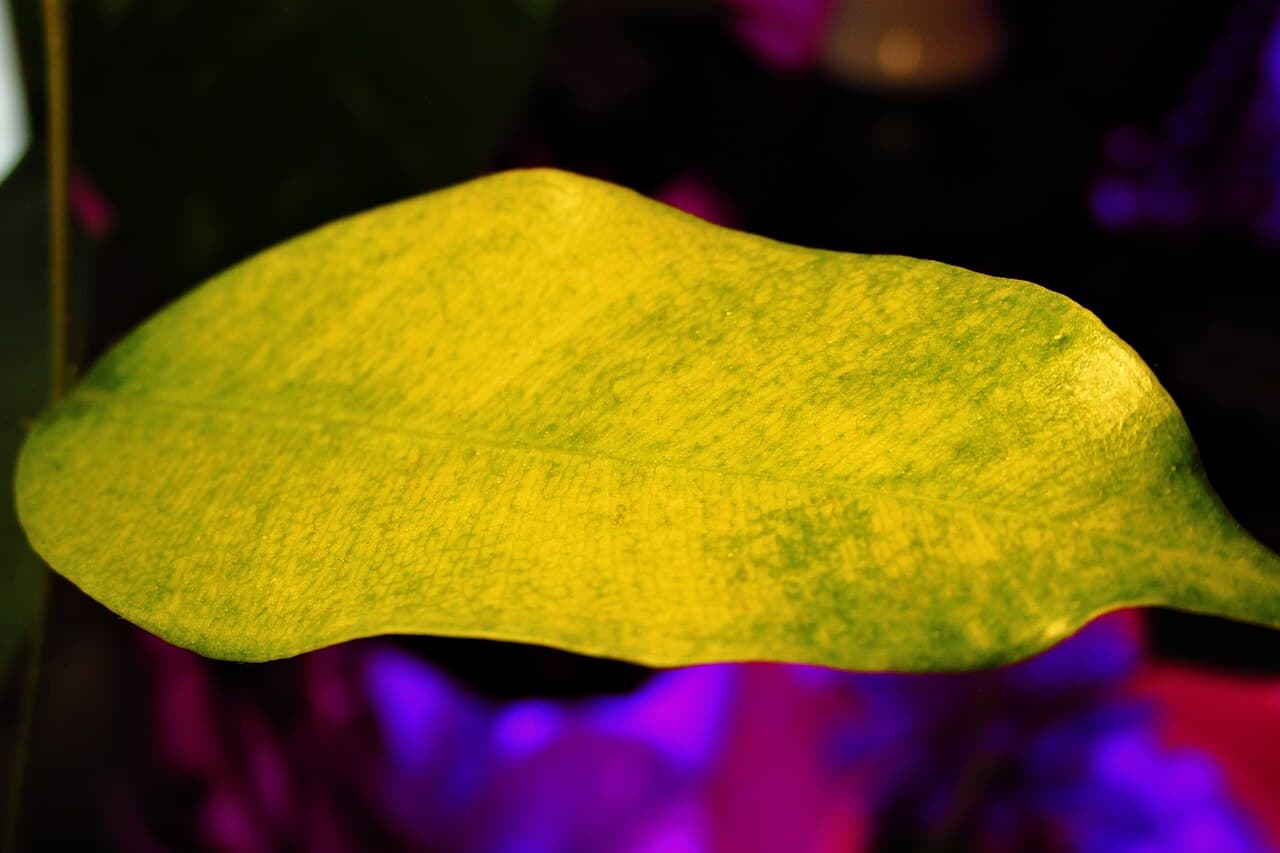
.jpg)
Check these first
- Feel the soil to see if it is soggy.
- Look at the undersides of yellow leaves for fuzzy growth.
- Check if the yellowing is on older or newer leaves.
Likely causes
Downy mildew
Most likelyHow to tell: Yellow patches appear on the upper leaf surface, often with a fuzzy grey growth on the underside.
What to do: Remove the infected leaves immediately to stop the spread. Improve air circulation by thinning out your plants and avoiding overhead watering.
Overwatering
PossibleHow to tell: The leaves turn yellow and the soil feels constantly soggy or muddy.
What to do: Let the top inch of soil dry out completely before watering again. Ensure your pot or garden bed has excellent drainage.
When to worry
If the yellowing spreads rapidly across the whole plant, it is likely a fungal infection that requires immediate action. A single yellow leaf at the base is usually just normal aging.
Stopping it coming back
Water at the base of the plant instead of over the leaves to keep the foliage dry.
Not sure which one it is? Photograph your wild rocket.
This page lists the usual causes. Pocket Botanist looks at your actual leaf and tells you the likely cause, how serious it is, and what to try first. Identification and a health check are free.


Questions people ask
- Is downy mildew dangerous to humans?
- No, it is a plant pathogen and does not affect humans. However, it will ruin the taste and texture of your rocket.
- Should I fertilize yellow leaves?
- No, do not fertilize a sick plant. Wait until you have identified and fixed the cause of the yellowing first.
More problems with Wild Rocket
This article was generated with AI from the plant’s care profile and is general information, not horticultural advice. Read about how we build these guides.