 Pocket Botanist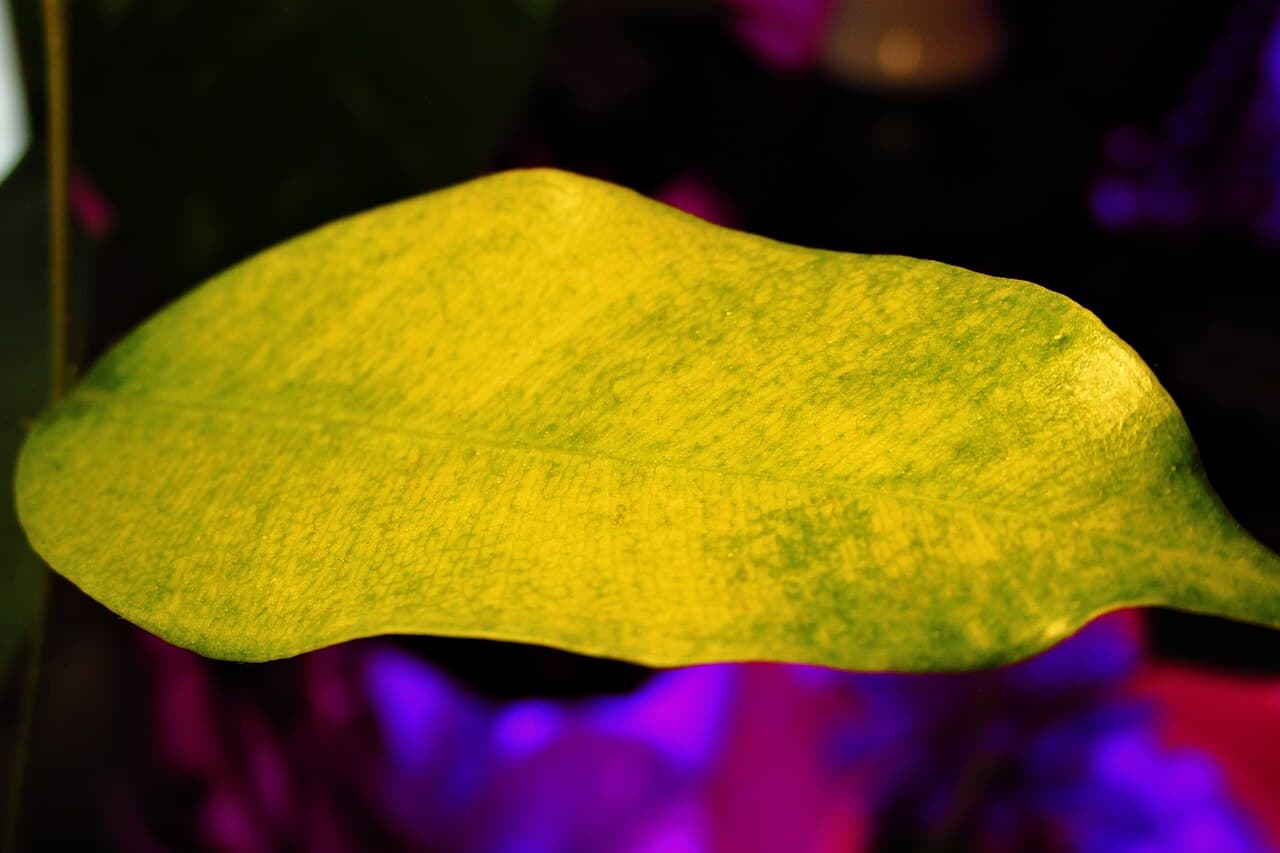
.jpg)
Check these first
- Check the light intensity in the current spot.
- Feel the potting medium to see if it is bone dry or soaking wet.
- Look for signs of pests on the yellowing leaves.
Likely causes
Too much direct sunlight
Most likelyHow to tell: The leaves look bleached or develop yellow patches where the sun hits them directly. This often happens if the plant is moved to a brighter spot too quickly.
What to do: Move the orchid to a location with bright, filtered light. Use a sheer curtain to diffuse harsh afternoon sun.
Improper watering
PossibleHow to tell: The leaves turn yellow and feel limp or soft. This happens when the roots are either too dry or drowning in water.
What to do: Adjust your watering schedule to ensure the medium is slightly dry before adding more water. Ensure the pot drains completely after every soak.
When to worry
It is normal for the oldest, bottom leaves to yellow and drop occasionally. Be concerned if multiple leaves yellow at once or if the new growth is affected.
Stopping it coming back
Keep the plant in consistent, bright indirect light and follow a regular watering rhythm based on the dryness of the medium.
Not sure which one it is? Photograph your bucket orchid.
This page lists the usual causes. Pocket Botanist looks at your actual leaf and tells you the likely cause, how serious it is, and what to try first. Identification and a health check are free.


Questions people ask
- Should I cut off the yellow leaves?
- Wait until they are completely brown and crispy before removing them. The plant may still be pulling nutrients from the leaf as it yellows.
- Is my orchid getting too much light?
- If the leaves are pale yellow or have scorched spots, it is likely getting too much direct sun. Move it to a shadier area.
More problems with Bucket orchid
Back to the Bucket orchid guide
This article was generated with AI from the plant’s care profile and is general information, not horticultural advice. Read about how we build these guides.